A Few Days in
the Algarve
A few days in the Algarve can be dangerous in the best way.
You arrive thinking you are coming for the beaches, because that is what everyone says. The cliffs, the caves, the blue water, the long summer lunches. And yes, the beaches are reason enough. But what stays with you is usually more specific: the staircase down to the sand, the first cold swim, the way the cliffs turn copper before sunset, the café you found by accident, the town square that made you cancel whatever you had planned next.
The Algarve is easy to admire from a distance. It is harder to understand until you move through it slowly.
We would not try to see all of it in one trip. That is the mistake. The region looks compact on a map, but each part of it has a different rhythm. Lagos does not feel like Tavira. Ferragudo does not feel like Albufeira. The western coast has a wilder edge. The eastern Algarve feels lower, quieter, more connected to the Ria Formosa. Inland villages have a completely different temperature to them, less beach club and more stone, water, shade, and time.
So this is not a list of everything to do in the Algarve. It is a way into the region: a few beaches worth planning around, a few tables worth booking, and a few towns that tell the story better than a generic guide ever could.
In This Article
Praia da Marinha
The one everyone photographs — and the one that still earns it.
Praia da Falésia
Six kilometres of red cliff, built for walking rather than looking.
Praia do Barril
Flatter, quieter, eastern — with a field of anchors above the sand.
Two Towns Inland
Alte and Cacela Velha — the Algarve away from the coast road.
The Atrium Algarve Menu
Every town, beach and table we would send you to, in one list.
FAQ
Quick answers on the beaches, the towns and how long to stay.
Start with the beach everyone photographs, but do not treat it like a postcard
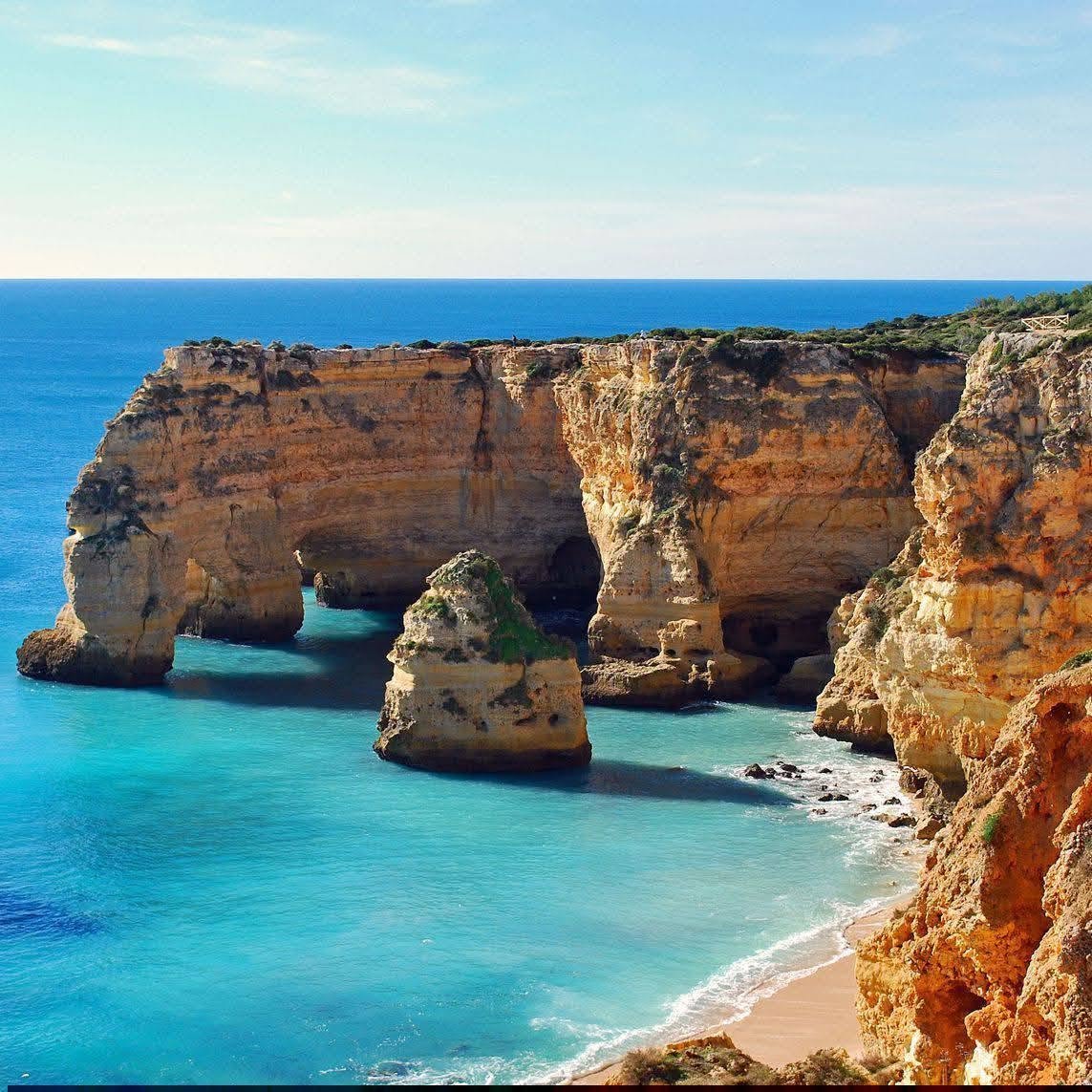
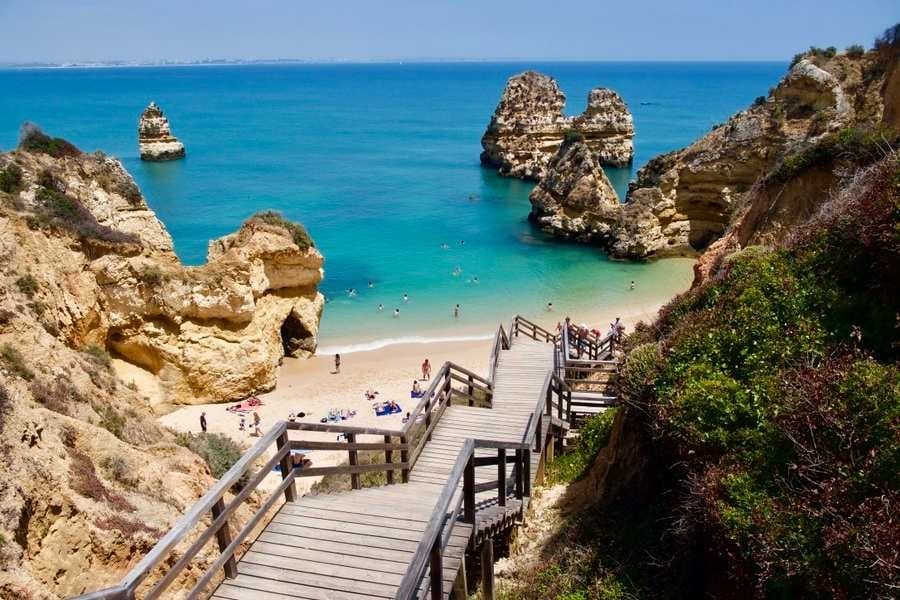
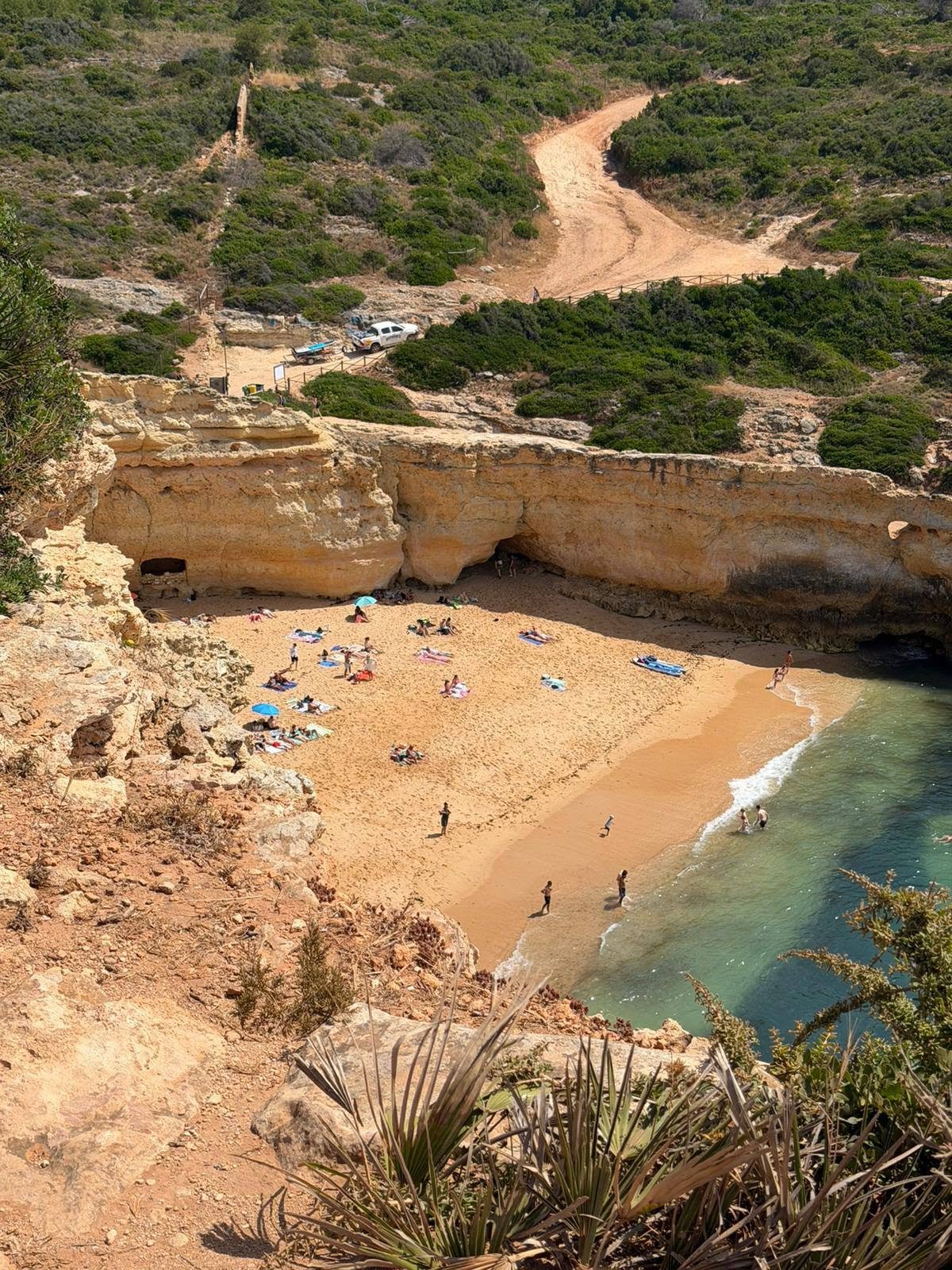
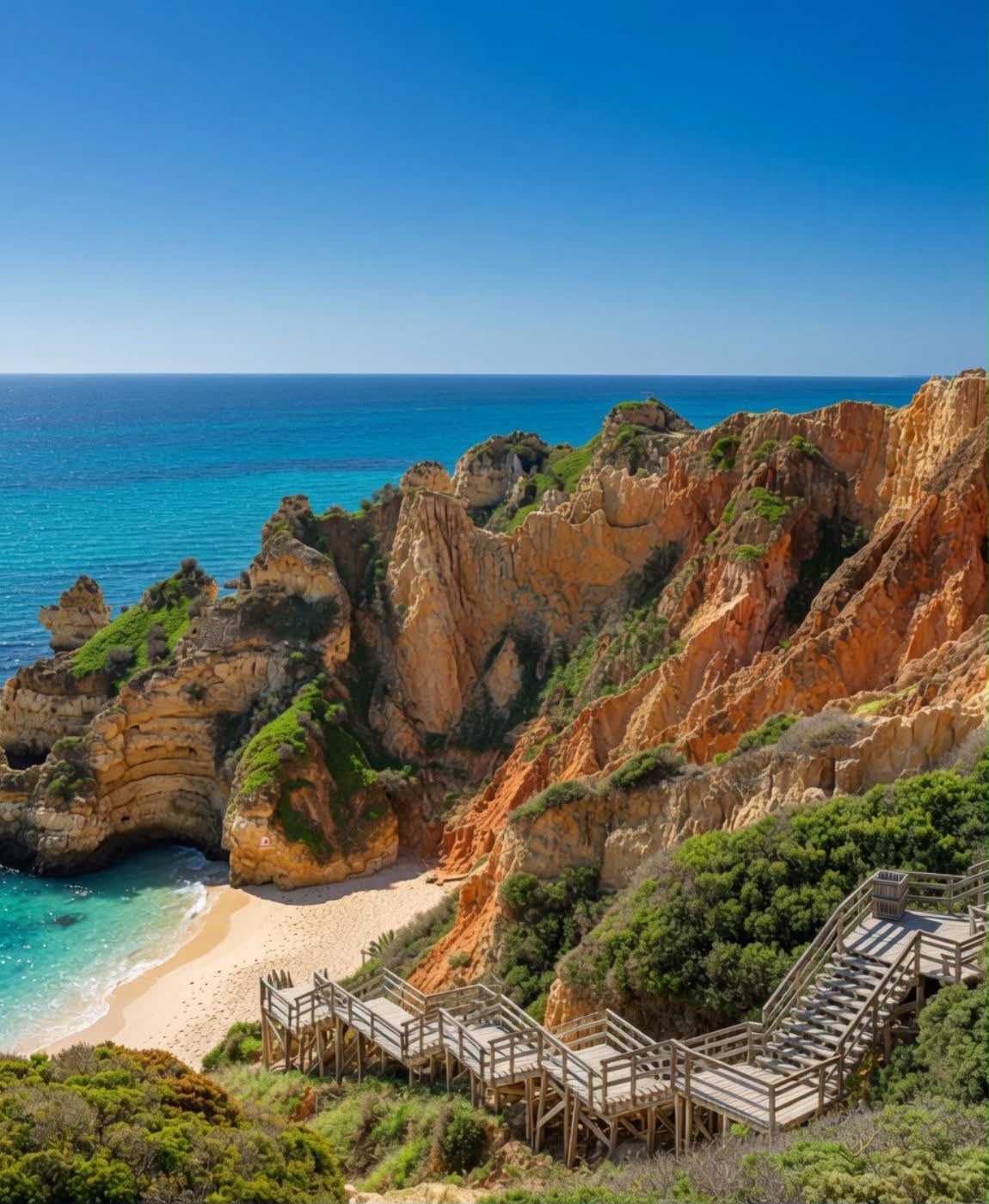
Praia da Marinha is one of those places that almost makes you suspicious before you arrive, because it has been photographed so many times it starts to feel unreal. Then you stand above it and realize the attention is justified.
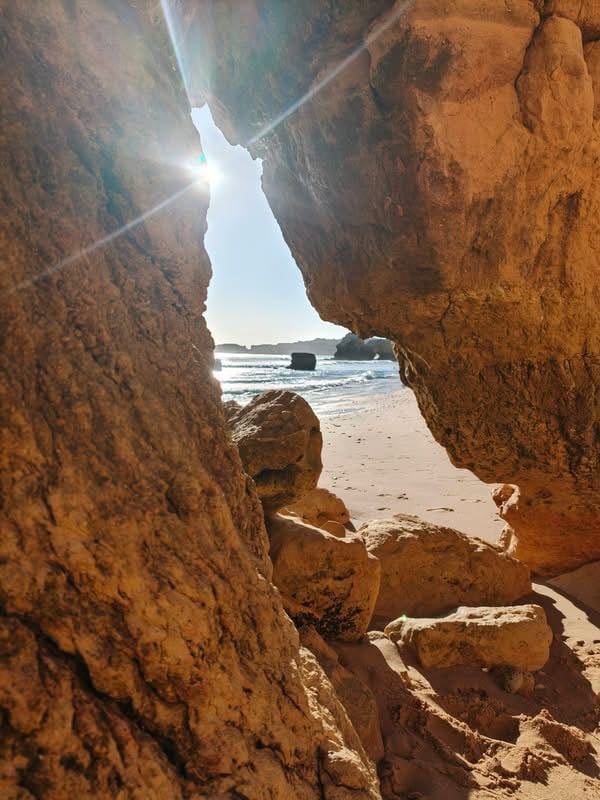
The beach sits between golden limestone cliffs, natural arches, and water that shifts between emerald and turquoise depending on the light. Access is by a steep staircase down from the clifftop, which is part of the experience and also a reminder to pack lightly. It is not the beach for dragging half your house with you. Bring what you need, go early or later in the day, and leave enough time to look at it from above before going down.
What we like about Marinha is that it still has a sense of ceremony. You do not just park and appear on the sand. You descend. You look. You adjust to the scale of the cliffs. Even if there are people around, the place still feels larger than the crowd.
If you only have a few days, go once. Not because it is undiscovered, but because some places are famous and still worth it.
Limestone formations, sea arches, and clear water — one of the most recognized beaches on the Algarve coast.
Then give yourself a long walk at Praia da Falésia
Falésia asks something different of you. Marinha is a place you look at. Falésia is a place you walk.
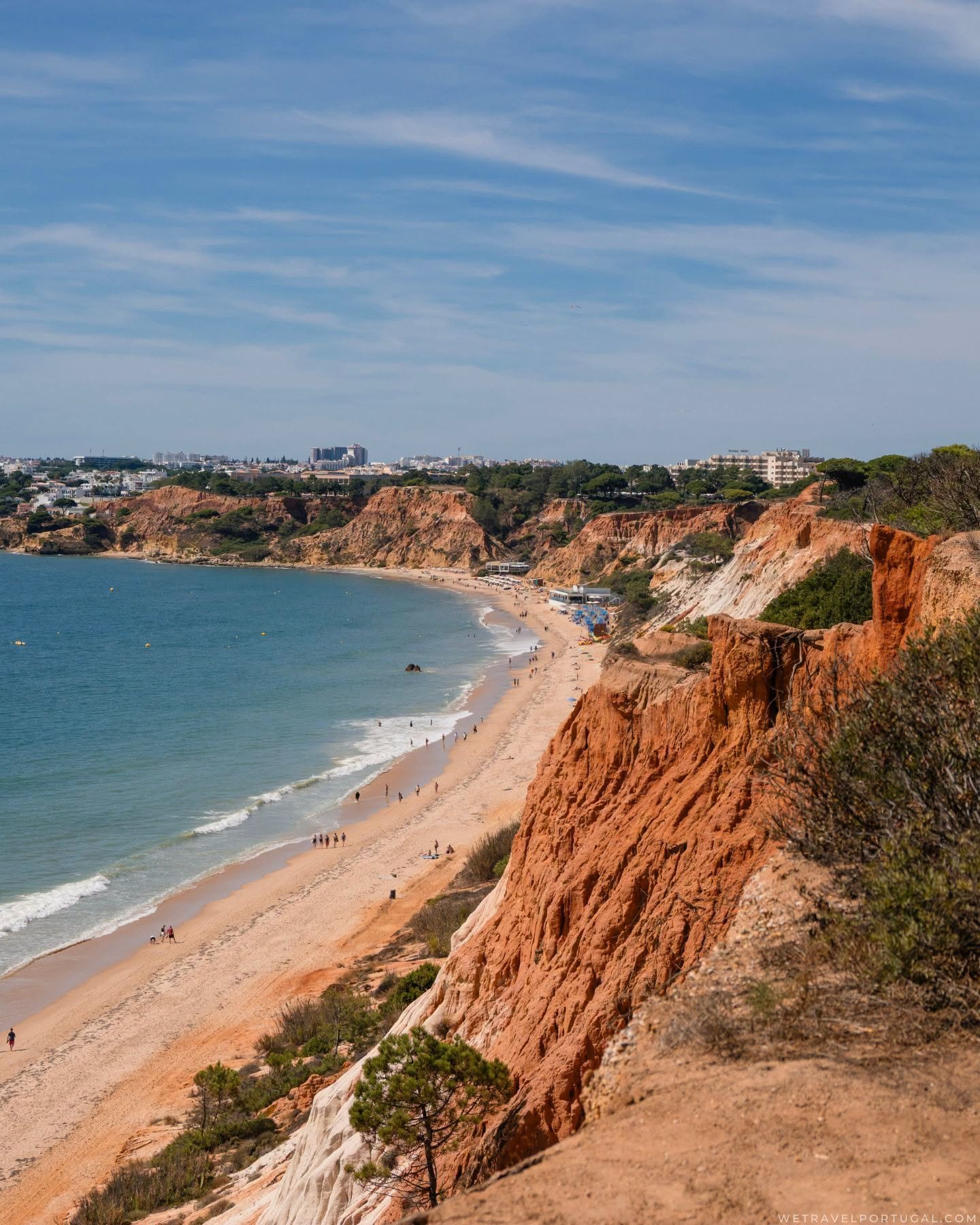
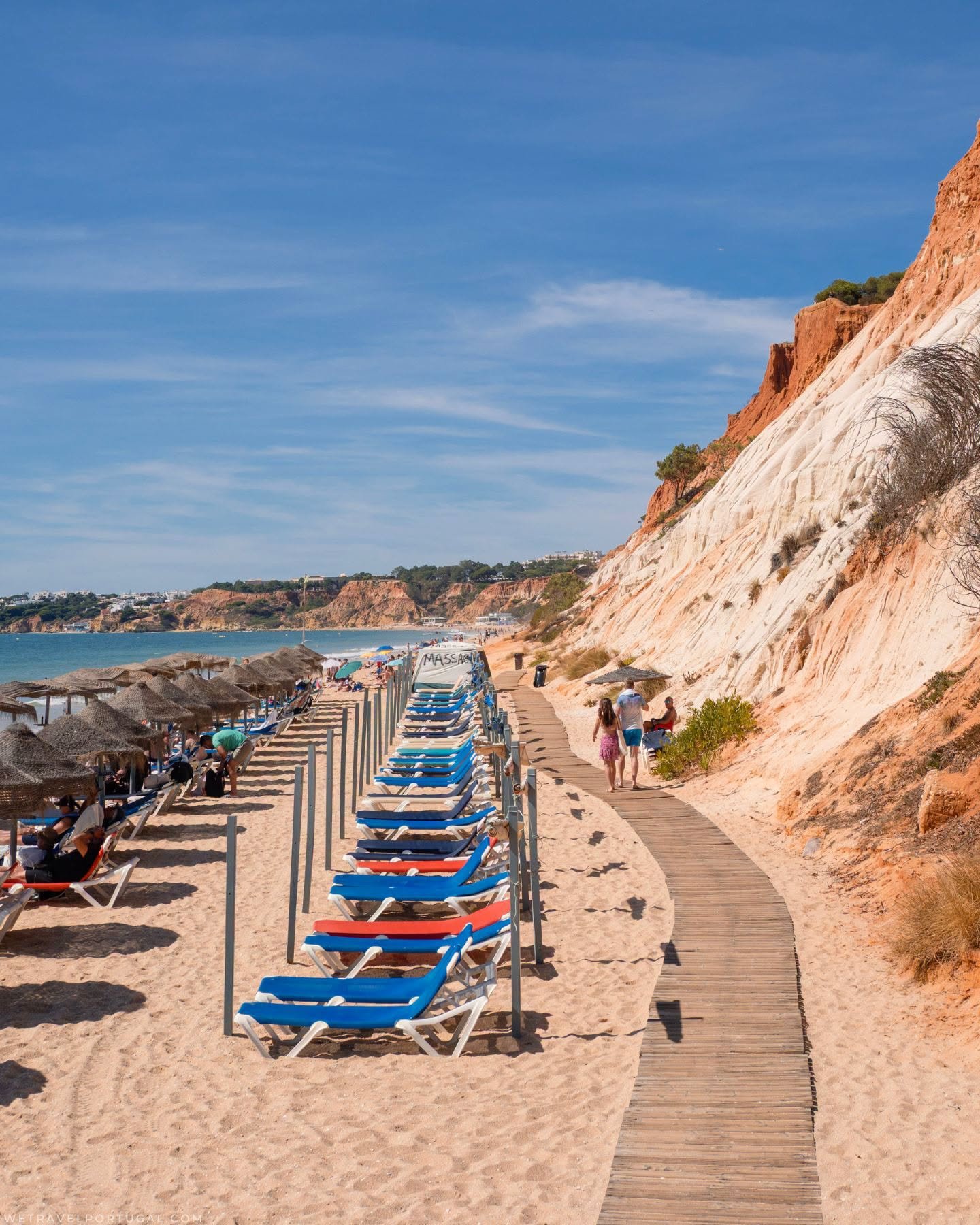
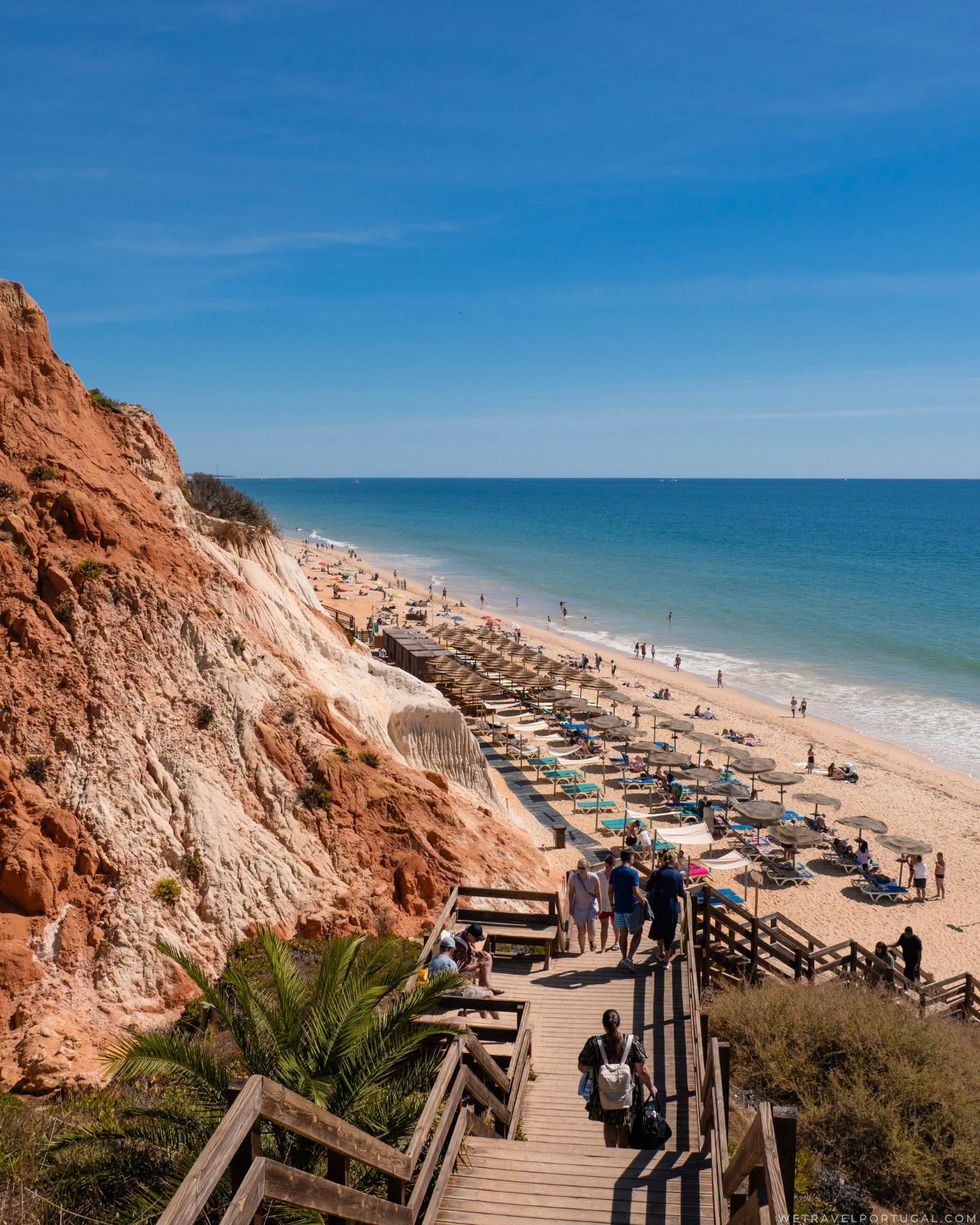
The cliffs here are not limestone but sandstone, and they run red and ochre and white for roughly six kilometres between Olhos de Água and Vilamoura. Pine trees hold the top edge. Below them the sand is wide and firm and almost straight, which is what makes the walk possible. Come down the wooden stairs at any of the access points, turn in either direction, and keep going. Most people turn back long before the beach does.
What we like about Falésia is that it does not resolve into a single photograph. The colour of the cliff changes as the sun moves across it, and the view ahead of you never quite arrives. It is a beach that rewards time rather than timing.
Go in the late afternoon, walk further than you meant to, and let the cliffs do the rest.
Red sandstone cliffs, a pine-topped ridge, and a shoreline long enough to walk for an hour without repeating yourself.
For a slower beach day, go east to Praia do Barril
Praia do Barril is not trying to compete with the cliff drama of the central Algarve, and that is exactly why we like it.
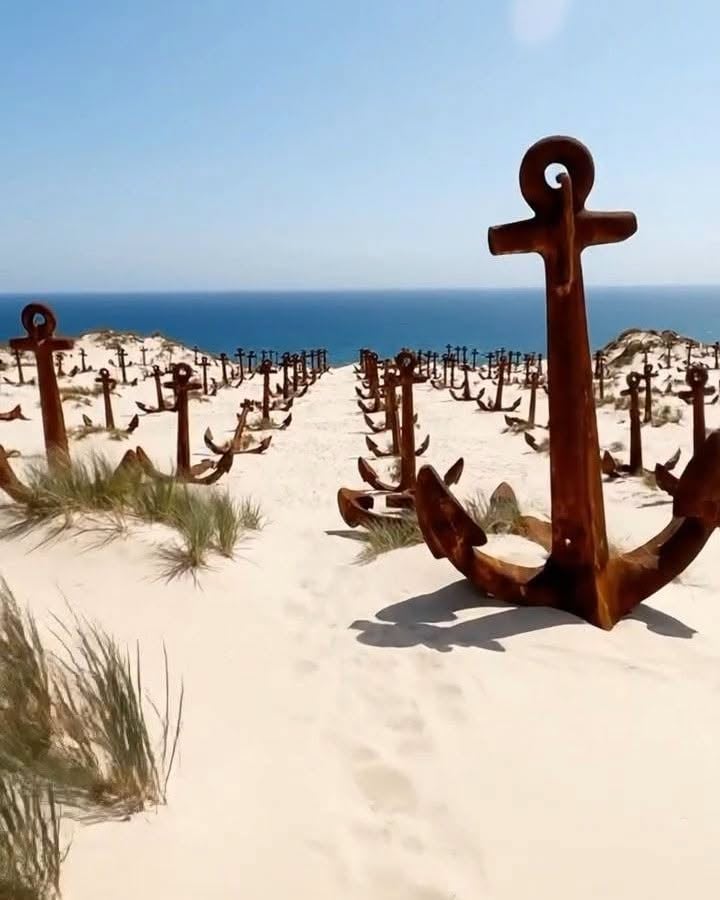
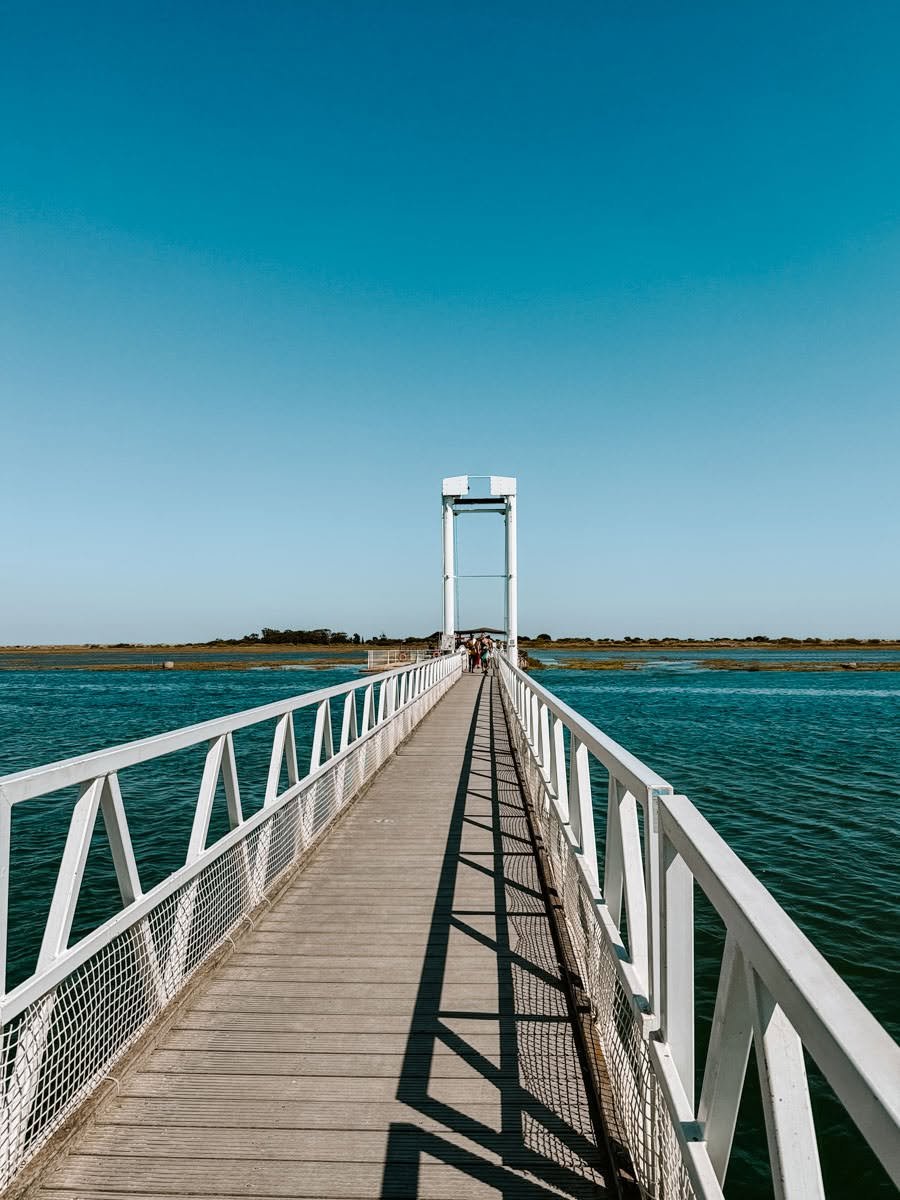
Near Tavira, within the Ria Formosa landscape, Barril feels flatter, calmer, and more reflective. You reach it from Pedras d'El Rei by walking across the lagoon or taking the small tourist train. The beach itself is long and open, with calm water and dunes, but the detail that stays with people is the anchor cemetery: rows of old rusted anchors left as a memorial to the tuna fishing community that once worked there.
It is the kind of place where the beach day has a little history inside it. You can swim, have lunch, walk, and still feel like you learned something about the Algarve beyond the usual vacation image.
Barril is also a good reminder that the Algarve is not one coastline. The eastern side has a different softness. The light sits lower. The water feels calmer. The towns are quieter. If the central Algarve is cliffs and photographs, the eastern Algarve is patience.
The anchor cemetery — rows of rusted anchors left as a memorial to the tuna fishing community that once worked this stretch of coast.
Two towns that are not the coast
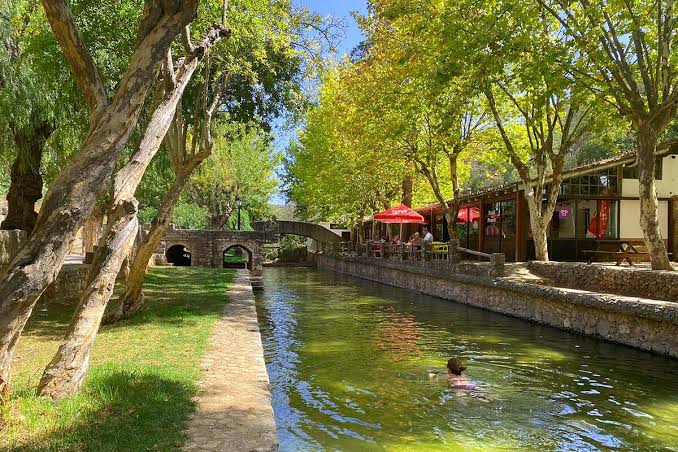
Alte
Alte is what the Algarve looks like when you turn inland and keep going.
The village sits in the Barrocal, the limestone country between the coast and the hills, and its centre is not a square but water. Two springs, the Fonte Grande and the Fonte Pequena, feed a stream that runs past the houses under old plane trees. There are tables in the shade, a low stone bridge, and on a hot day people swim in it. The water is cold enough to be a shock in August, which is rather the point.
Above the stream the village climbs and whitens: cobbled lanes, worked chimneys worth looking up at, a church that has stood there since the sixteenth century.
What we like about Alte is that it is not performing. It is an easy drive from the beaches and it still feels like the part of the Algarve nobody put on a poster. Go for lunch, stay for the afternoon, and take a towel.
Cacela Velha
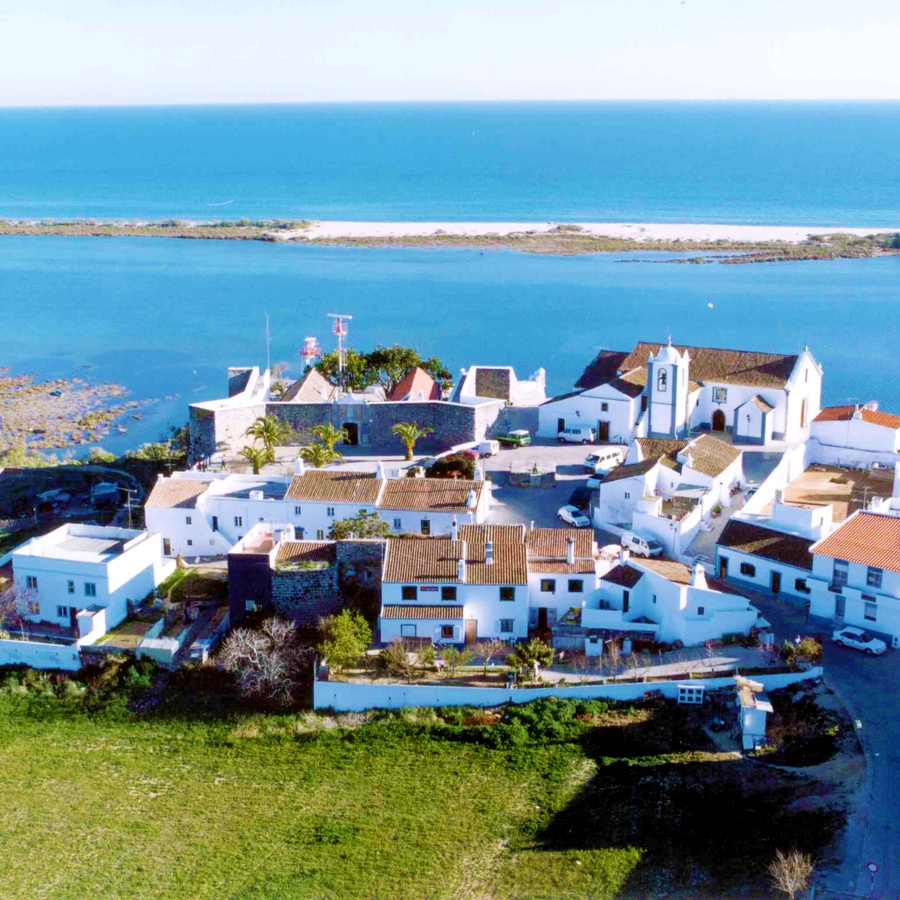
Cacela Velha is barely a village. A church, a fortress, a handful of whitewashed houses on a low bluff, and then nothing but water.
What it has instead of size is the view. The hamlet sits above the eastern end of the Ria Formosa and looks out across the lagoon to a long sandbar that holds back the Atlantic. From the wall beside the church you can see the whole arrangement at once: salt marsh, channels, the pale line of the dunes, open sea behind them.
The beach is on the far side of that water. At low tide you can walk out to it. The rest of the time a small boat takes you across in a few minutes.
What we like about Cacela Velha is how little there is to do. You reach the end of the village in about four minutes, then you sit down and look at the lagoon, and that turns out to be enough.
Atrium Listings
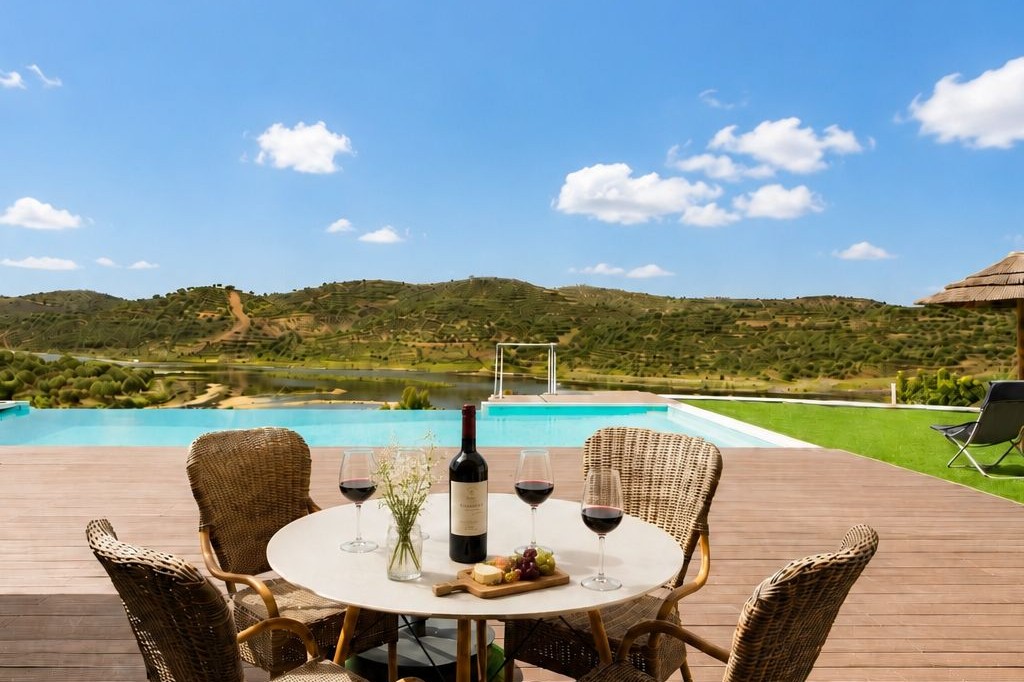
The Wild Estate Between Alentejo and the Algarve
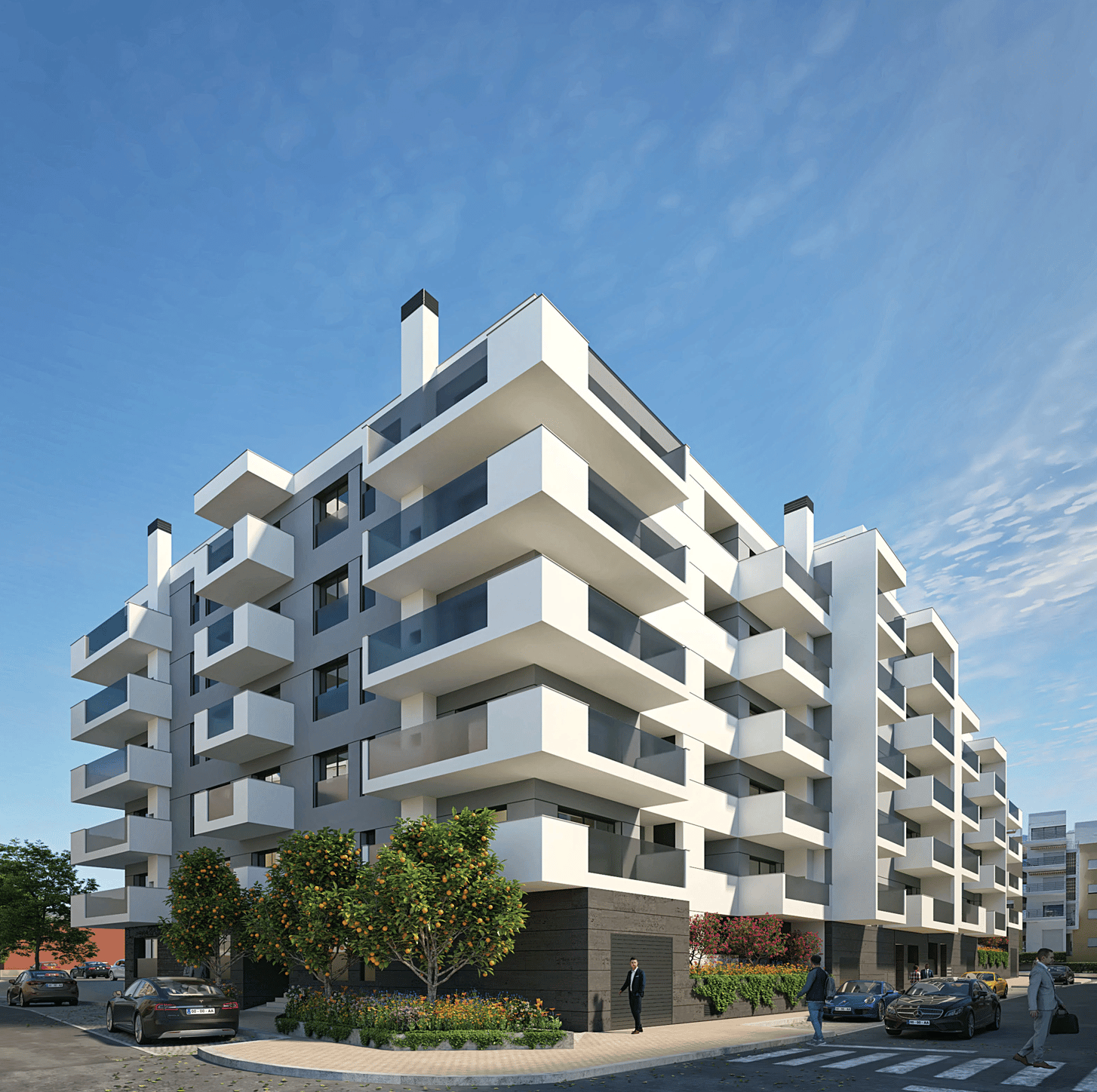
Armação de Pêra, Three Bedrooms With Seaviews
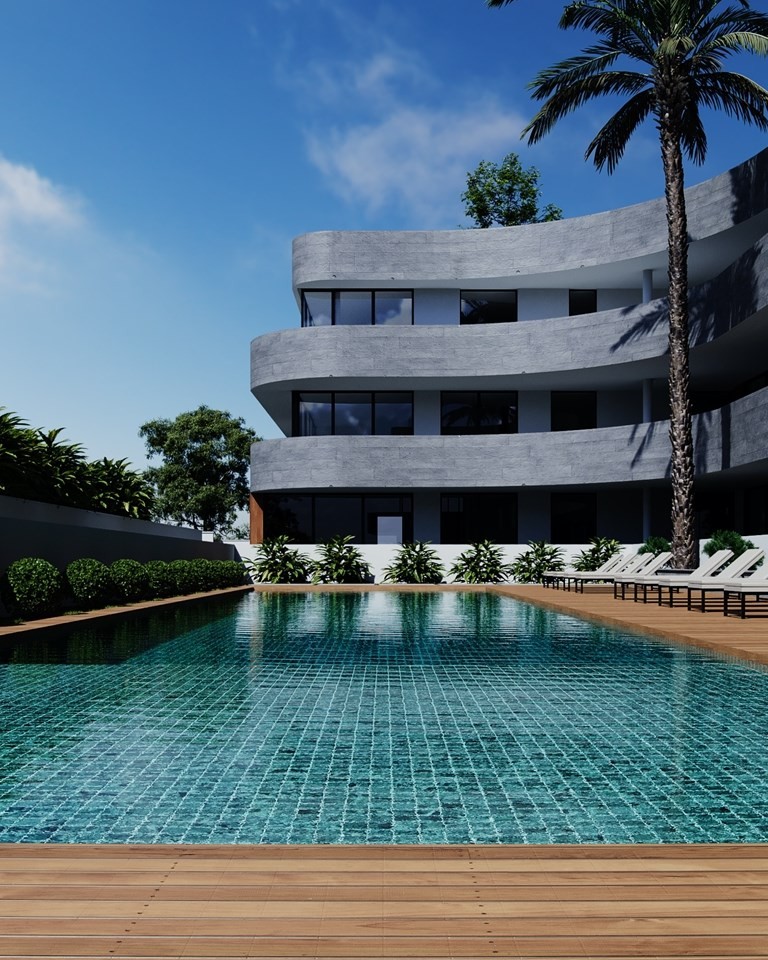
A Lagos Duplex, Topped with a Rooftop Pool
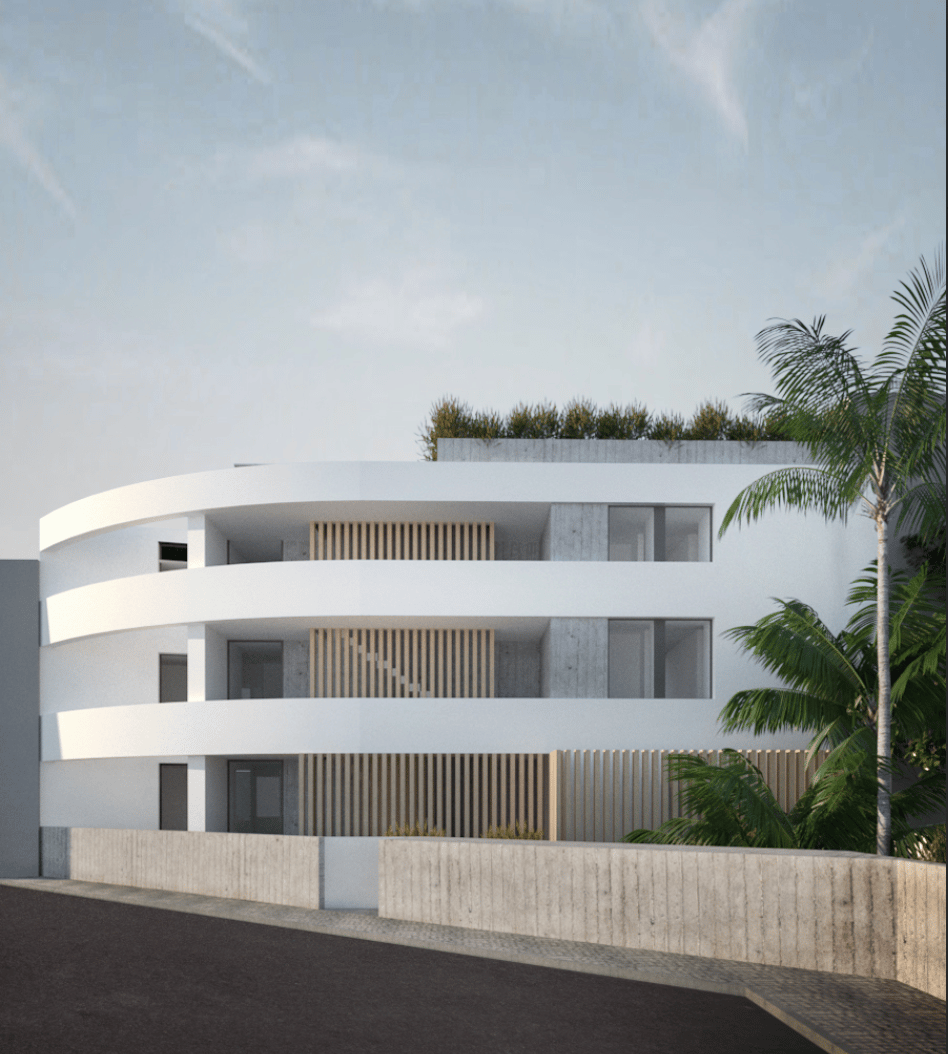
Six Apartments With Seaviews in Praia da Luz
Final Thoughts
A few days is enough to fall in love with the Algarve. It is not enough to know it.
What changes on a second or third visit is that you stop asking which beach is best and start noticing which stretch of coast you keep returning to. That is usually the answer. For some people it is the cliffs and the caves of the centre. For others it is the low, quiet water of the east.
The Algarve is not an early market, and we would not pretend otherwise. It is one of the most established coastlines in southern Europe. But established is not the same as finished. The difference between a good decision here and an expensive one is almost always local: which side of the town, which distance from the water, which season the place actually lives in.
That is the part a few days will not tell you.
Frequently Asked Questions
What is the best beach in the Algarve?
There is no single best beach — it depends on what you want from the day. Praia da Marinha gives you limestone cliffs, sea arches and a sense of ceremony worth the steep staircase down. Praia da Falésia is built for a long walk beneath red sandstone cliffs rather than a single photograph. Praia do Barril, near Tavira, is flatter and quieter, with a slower, more eastern rhythm.
Is Praia da Marinha worth visiting?
Yes. It is one of the most photographed beaches on the Algarve coast for a reason — golden limestone cliffs, natural arches and water that shifts between emerald and turquoise. Access is by a steep staircase down from the clifftop, so pack lightly, and go early or later in the day rather than at midday.
What is Praia da Falésia known for?
Roughly six kilometres of red and ochre sandstone cliffs running between Olhos de Água and Vilamoura, with a pine-topped ridge above a wide, firm shoreline. It rewards a long walk rather than a single lookout — most people turn back long before the beach does.
What is the anchor cemetery at Praia do Barril?
Rows of rusted iron anchors standing upright in the dune sand, left as a memorial to the tuna fishing community that once worked this stretch of the eastern Algarve, near Tavira. It sits beside a long, calm beach reached from Pedras d’El Rei by walking across the lagoon or taking the small tourist train.
Are Alte and Cacela Velha worth a detour from the coast?
Yes, for a very different side of the Algarve. Alte is an inland village in the Barrocal built around two springs and a stream people swim in, with cobbled lanes climbing above it. Cacela Velha is barely a village at all — a church, a fortress and a handful of whitewashed houses looking out over the Ria Formosa lagoon to a sandbar beyond.
How many days do you need in the Algarve?
A few days is enough to fall in love with the Algarve; it is not enough to know it. The region looks compact on a map, but Lagos does not feel like Tavira, and the eastern Algarve does not feel like the centre. Rather than trying to see all of it in one trip, plan around a few beaches, a few towns and a few tables, and treat the rest as a reason to come back.
Thinking about the Algarve as more than a holiday?
We live and work here. If you are weighing a move, a second home, or an investment on this coast, a conversation is a better starting point than a listing.