Douro Valley Real Estate: Contemporary Gated Villas One Hour from Porto
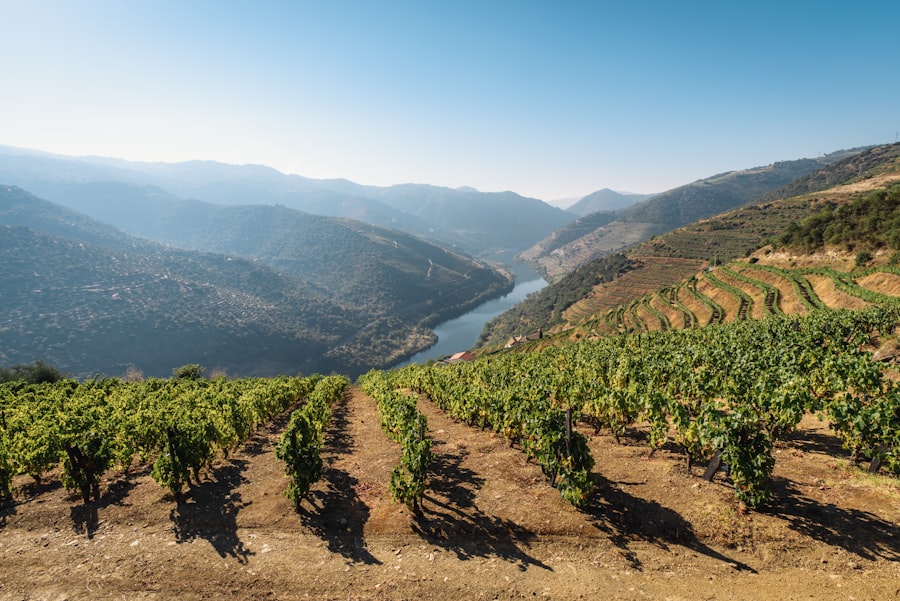
When people picture the Douro valley, they think of vineyards carved into hillsides, long lunches overlooking the river from boatside or riverside, and harvest season turning the landscape into a beautiful golden color. What is often overlooked is that the Douro is not just a destination. It is a place people actually live.
Just one hour from Porto, the Douro offers something increasingly rare in today’s property market: unfiltered nature and privacy — real privacy. For buyers who want proximity to a major city but no longer want to live in one, the Douro is becoming an intriguing, green alternative.
What Makes Douro Valley Living So Appealing?
The Douro Valley follows the Douro River eastwards from Porto towards the Spanish border, with the landscape becoming more dramatic as you travel inland.
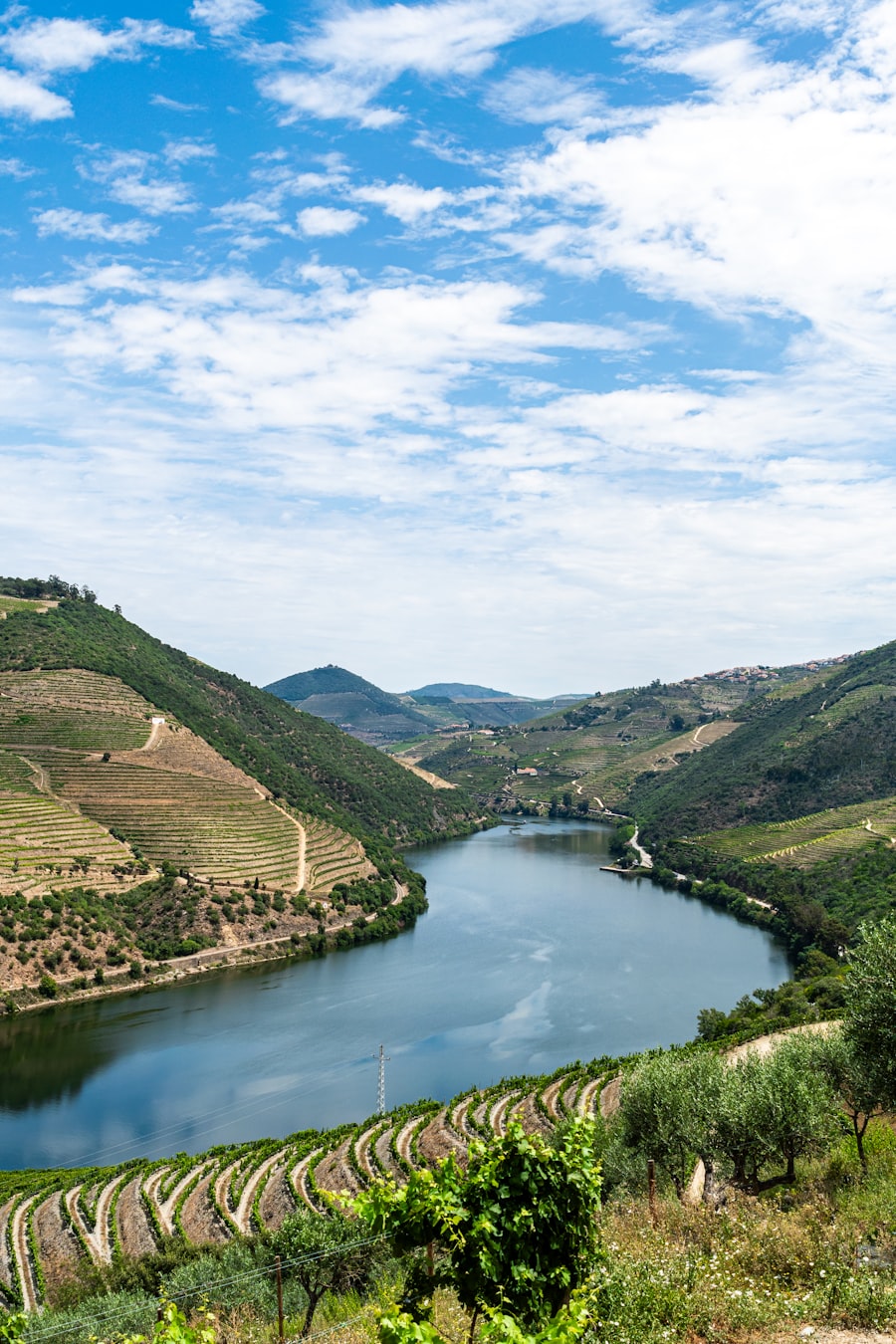
The region is divided into three main wine subregions: Baixo Corgo, Cima Corgo and Douro Superior. Their climates and landscapes vary, and the differences become increasingly noticeable as you move east.
Baixo Corgo is the westernmost area and generally greener, with more rainfall.
Cima Corgo, around Pinhão, is at the heart of some of the Douro’s most famous wine estates. Further east, Douro Superior is hotter, drier and more sparsely populated, with larger stretches of land and a greater sense of remoteness.
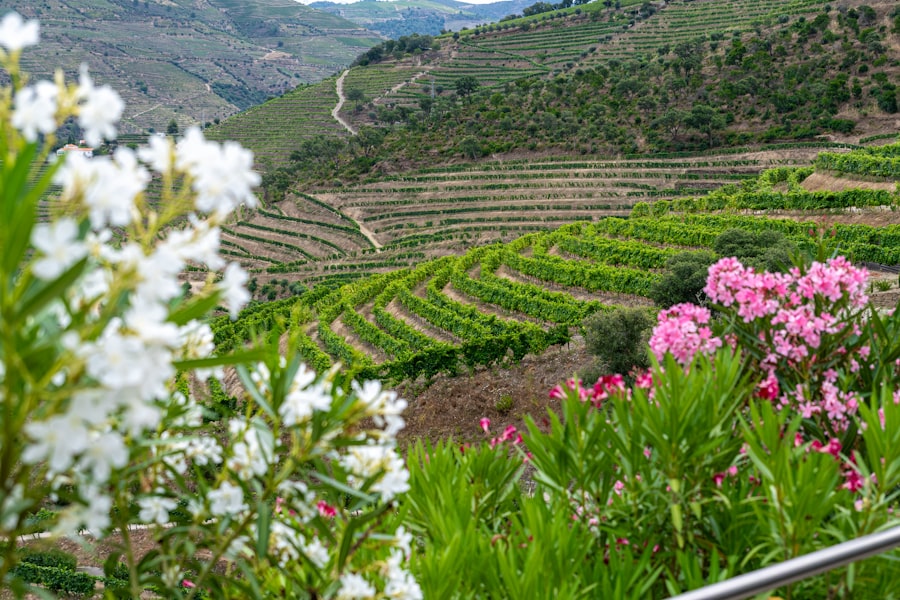
The Alto Douro Wine Region is a UNESCO World Heritage Site, a recognition of the remarkable relationship between agriculture, architecture and the natural landscape. The terraces that define the valley were created through generations of cultivation on terrain that would otherwise have been extremely difficult to farm. (Visit Portugal)
That history is important when looking at property. The landscape is not simply a backdrop. It influences what can be built, how older properties can be renovated and how agricultural land is used. For buyers, understanding those considerations early can save a great deal of time later.
Why Is It Still Considered a Hidden Opportunity?
Compared to Lisbon, Porto, or even the Algarve, property in the Douro Valley remains accessible for everyone. For many international buyers, it represents a small portion of what similar lifestyle properties would cost elsewhere in Western Europe.
It is not saturated or overbuilt; land protected by vineyard territory means development remains controlled. For buyers who see the value in long-term lifestyle positioning, this matters.
A New Construction Opportunity in Baião
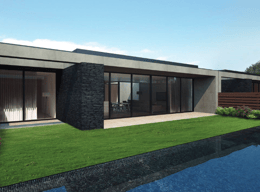
Located in Baião, within the greater Douro region, this gated residential development introduces a more contemporary approach to valley living.
Three modern villa models were released, with only two remaining available. Starting at €330,000, these homes have been positioned well below what many would expect for new construction in such a sought-after region, especially considering the level of finishes.
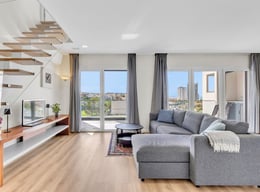
These are not rural farmhouses. They are modern residences designed for buyers who want clean lines, efficiency, and low maintenance while still living among beautiful vineyards and rolling hills.
The layout supports indoor-to-outdoor flow; private yard space allowing for entertaining, gardening, or simply enjoying the stillness that the Douro Valley brings to its environment.
The Daily Experience
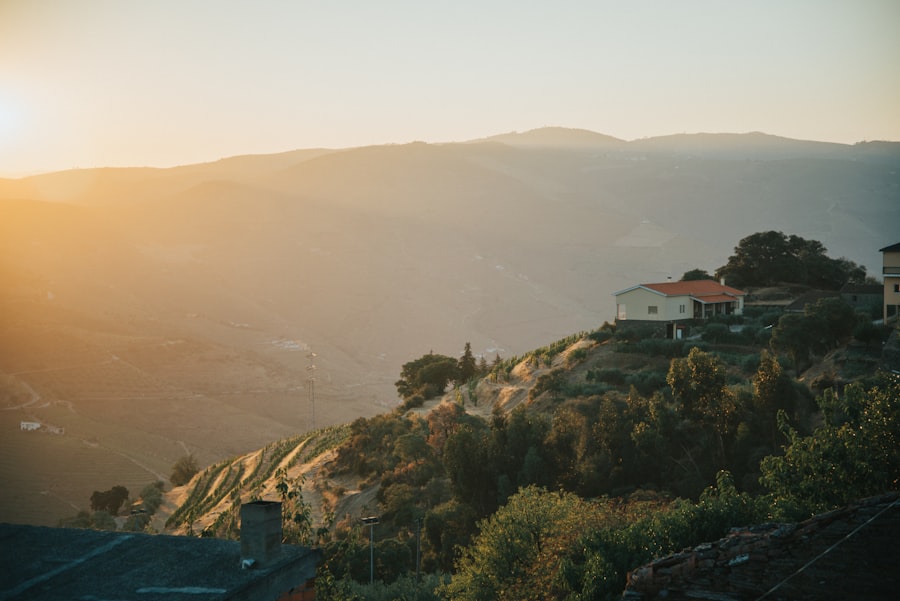
Morning light in the Douro valley hits differently than in Porto. Vineyards do not reflect the sun like buildings but instead absorb it, making the ground warm. River fog lifts slowly. Harvest season brings activity and energy while the rest of the year brings calm. Restaurants operate at a high level without feeling crowded, and roads are scenic rather than congested. You can build a life here, not just visit.
Wine is impossible to separate from the identity of the Douro. Port wine has been produced here for centuries, and the Douro’s vineyards remain an important part of the regional economy. The river historically provided the route by which wine travelled from the estates towards Porto and Vila Nova de Gaia, and today it remains central to the experience of visiting the region.
Pinhão is particularly well positioned for anyone interested in wine. Some of the region’s best-known quintas are nearby, and wine tourism has become an important part of the local economy.
For homeowners, this means that a property in the Douro can offer a very different relationship with wine from simply visiting a cellar in Porto. Vineyards are part of the scenery outside the window. Harvest season changes the rhythm of the valley, and many estates open their doors for tastings, meals and visits.
For buyers interested in owning agricultural land, that connection can also be financially relevant. A vineyard property is not simply a large country house with attractive views. There may be agricultural licensing, land-use considerations, ongoing maintenance and specialist management involved. That is where careful due diligence becomes particularly important.
Eating in the Douro. The food is another reason the Douro is easier to fall in love with once you spend more than a weekend here.
The cuisine is closely connected to the region, with olive oil, almonds, river fish, meat and slow-cooked dishes featuring heavily. Meals tend to be generous and unhurried, which suits the landscape perfectly.
Pinhão has several good options within the town itself. Veladouro is close to the river and offers an easy option when you want to stay in town, while Bomfim 1896 at Quinta do Bomfim provides a more polished wine-estate setting.
For something more informal, Cardanho dos Presuntos is another Pinhão option, while O’Porco — Wine & Tapas Bar works well for a relaxed drink and something to eat.
Around Peso da Régua, the choice becomes broader. Castas e Pratos, Restaurante Dur Essência and Aneto & Table are among the restaurants that give the town more of an evening-out feel, while Tasca da Quinta offers a more traditional setting.
For a special occasion, the wider valley also has destination restaurants connected to wine estates. Cozinha da Clara at Quinta de La Rosa, for example, combines dining with the experience of being within the vineyard landscape.
The important point for prospective residents is that you do not need to live in Porto or Lisbon to have access to good food. You simply have to accept that dinner may involve a drive, and in the Douro, that drive is often part of the evening.
This opportunity in Baião represents a compelling entry point into Douro Valley living.
If you would like to explore the available models or schedule a private viewing, Atrium Real Estate can provide full specifications, floor plans, and investment insight for the remaining units.
The Douro is no longer only for weekend escapes.
For the right buyer, it is home.
Douro Valley Living, Answered
What makes Douro Valley real estate appealing?
It combines centuries-old vineyard landscape, part of the UNESCO World Heritage listing, with world-class dining and real privacy — while still keeping Porto and its airport within about an hour’s drive. It is nature without isolation.
Is Douro Valley property a good value compared to Lisbon, Porto or the Algarve?
Yes. Compared to those markets, Douro Valley property remains accessible, representing a small portion of what similar lifestyle properties would cost elsewhere in Western Europe. Land protected by vineyard territory also keeps development controlled rather than overbuilt.
What is included in the new Baião villas?
Each villa is fully electric with no gas systems, has complete smart-home integration controlled by phone app, front and backyard outdoor space, a private pool, high-end cabinetry, mixed wood flooring, and top-tier finishes, all within a gated community setting.
How many villas are available and what do they cost?
Three modern villa models were released in this Baião development, and two remain available. Prices start at €330,000.
How far is Baião from Porto?
Around one hour by car, including airport access — close enough for business meetings or travel, while still being surrounded by vineyards and rolling hills day to day.
Who is this development best suited for?
Buyers who want nature without isolation, proximity to Porto without the city’s density, access to world-class wine and cuisine, and a home that feels contemporary within a historic setting.
Two Contemporary Villas Currently Available in Braga
While the Baião development sits inside the Douro Valley itself, Atrium currently also has two contemporary, move-in-ready villas available a little further north in Palmeira, Braga — both with private pools and a similar clean, indoor-outdoor architectural language.

More From Atrium

2 of 3 villa models remaining
From €330,000
Porto Airport · around one hour
Two villas left
Ask about floor plans, specifications, and investment insight for the remaining units.
Two villas left in Baião.
Fully electric, smart-home villas from €330,000 — one hour from Porto, inside the Douro Valley’s UNESCO landscape.