
Your Next Move Doesn’t Have to Be Portugal
Portugal has been the beginning of the conversation for many of our clients, and it is easy to understand why. The country offers an appealing combination of lifestyle, connectivity, culture, climate and access to the rest of Europe, while its residency programmes have made it an increasingly familiar option for international families, investors, entrepreneurs and individuals looking for a different way to structure their lives.
However, Portugal is not the only country worth considering.
At Atrium Global Visa, our work has expanded to include residency solutions in Portugal, Greece, Italy, Cyprus and Panama. Each country offers its own approach to residency, investment and long-term relocation, and each one can suit a very different type of applicant. What works beautifully for a family hoping to establish a permanent European home may not be the right solution for an investor who wants greater flexibility, and the preferences of a remote professional may be very different again.
This is why we believe the residency conversation should begin with the person rather than with a particular visa programme.
There is no universal best visa. There is only a residency strategy that makes sense for the life you are trying to build.

In This Article
Five Countries, Five Different Ways to Think About Residency
It is tempting to compare residency programmes by their headline investment amount, the number of years involved or whichever programme happens to be receiving the most attention online. That approach can be useful as a starting point, but it rarely tells the whole story.
Portugal, Greece, Italy, Cyprus and Panama offer distinctly different opportunities. The qualifying investment may be different, the residence requirements may be different, and the relationship between residency and real estate may be very different from one country to the next.
The more useful question is what each programme can actually accomplish for you.
For the Person Who Wants Europe to Feel Like Home

Portugal remains particularly compelling for clients who are considering residency as part of a genuine relocation rather than simply as a second residence on paper. Its established residence pathways can accommodate a range of applicants, including retirees and passive-income earners, remote professionals, entrepreneurs and investors. Atrium’s Portugal advisory work has covered the D7, D8, D2 and Golden Visa pathways, each of which is designed around a different type of applicant.
What makes Portugal particularly interesting is the lifestyle component. Lisbon and Porto offer urban living, the coast is within easy reach, international schools and communities are well established, and the country’s size makes it relatively straightforward to experience several different regions before deciding where to settle.
Portugal is also a country where the residency conversation can naturally become a real estate conversation. A client may begin by renting while getting to know an area, then eventually purchase a home that reflects a longer-term commitment to the country. For others, property may be an investment rather than a primary residence.
Someone who wants the residency strategy and the lifestyle strategy to become part of the same plan.
For the Investor Who Wants Residency and Real Estate to Work Together

Greece presents a rather different proposition. Its Golden Visa programme has become particularly interesting to property investors because the current real estate requirements vary according to location and the nature of the property transaction.
That means the Greek residency conversation should not simply begin and end with the question of how much capital is required. The type of property, its location, the legal structure of the transaction and the intended investment strategy all need to be considered.
For some investors, Greece offers an appealing opportunity to combine European residency with an asset in a market that already has strong international demand. For others, the appeal may lie in having a base that can be used by the family while retaining the investment element of the programme.
There is also something wonderfully Greek about spending considerable time analyzing an investment and then immediately wanting to see whether the property has a decent view. Fortunately, both considerations can be accommodated.
Best for an investor who wants a European asset with strong international demand, or a base the family can use while retaining the investment element.
For the Person Whose Residency Strategy Extends Beyond Real Estate

Italy is perhaps the country that most easily encourages an emotional decision before the practical one has had a chance to catch up. The architecture, food, history, fashion and lifestyle are difficult to ignore, but the residency strategy deserves the same attention as the dream.
An Italian investment visa is not simply a property-purchase programme. The words “investment visa” should never automatically be interpreted as “buy a house” — the investment vehicle itself is central to deciding whether the programme is appropriate.
Issued for two years initially, renewable while the investment requirements continue to be met. Best for someone whose primary objective is capital, a business connection, or supporting an Italian company.
For the Investor Looking for a Structured Permanent-Residency Route
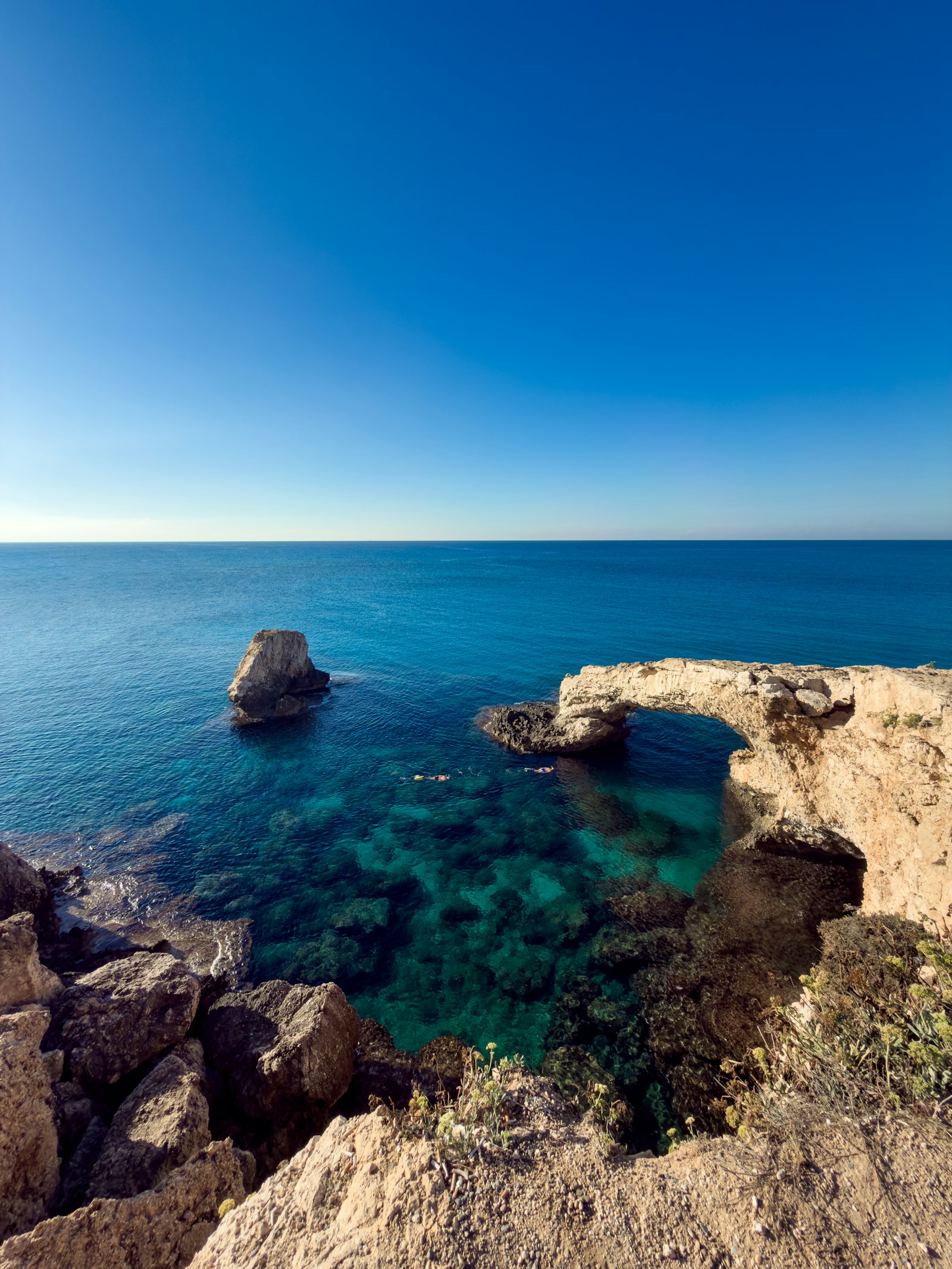
Cyprus offers another model for international investors. Its expedited immigration permit for qualifying third-country investors provides a route to permanent residence for applicants who meet the programme’s investment, income and other requirements.
Cyprus is not simply offering a property purchase with a residence card attached. There are requirements surrounding the investment itself, the source of funds, the applicant’s income and ongoing compliance.
Best for a client who wants a structured, long-term residency solution and to understand exactly what the investment is accomplishing beyond the initial application.
For the Person Whose Idea of International Living Extends Beyond Europe

Panama introduces an entirely different geographic and lifestyle proposition. For clients who do not need Europe to be the centre of their residency strategy, the country can provide a compelling alternative for creating a second base.
Panama should not be treated as the “alternative” simply because it is outside Europe. It is a different proposition with its own advantages, requirements and considerations.
Economic investment, retirement and pension-based routes, special policies, and family-related categories. A qualified investor programme provides permanent residence for qualifying investments, including real estate, and a remote-worker visa exists for people employed by or working for foreign interests.
Best for entrepreneurs, investors and families with geographically flexible lives who want a genuinely international base.
Choosing a Country Starts With Understanding Your Own Objectives
A residency programme can look excellent on paper and still be completely unsuitable for the person considering it. This is one of the reasons we spend so much time understanding what a client is actually trying to accomplish before discussing a particular programme in detail.
Someone who intends to live in Europe for most of the year will have very different priorities from an investor who wants a second residence while continuing to spend most of their time elsewhere. A family with school-age children will need to think about education, healthcare, housing and daily life, while an entrepreneur may be more concerned with business structure, mobility and access to different markets.
The same is true of property.
For some clients, real estate is the reason they are interested in residency in the first place. For others, property is incidental to the wider strategy. Some want a permanent family home, while others are interested in an investment that can sit alongside their existing portfolio.
These differences matter because the residency programme should fit the strategy rather than dictate it.
The Importance of Physical Presence

One of the first things we consider with any international residency plan is how much time the applicant actually wants to spend in the country.
There is a significant difference between wanting a home somewhere and wanting the flexibility to have one. Someone who intends to relocate their family permanently will naturally consider different factors from an investor who wants a second base without making a full-time move.
Physical presence can also become important when considering the longer-term objectives of the residence permit. The practical requirements of maintaining residency, the amount of time a person expects to spend in the country and any future plans for permanent residence or citizenship should all be considered before choosing a programme.
This is where a residency decision becomes much more than an application. It becomes a decision about how you expect to divide your time, where you want your family to spend its year and what role a second country is actually going to play in your life.
Residency and Investment Should Not Be Treated as Separate Conversations
For many of our clients, the investment element is as important as the immigration element. That does not necessarily mean buying property. It means understanding what capital is being committed, why it is being committed and what the investment is expected to accomplish.
The differences between the five countries make this particularly clear. Greece has a real-estate-based Golden Visa structure, Cyprus offers both real estate and other qualifying investment categories, Italy’s Investor Visa focuses on several forms of investment that do not include a standard residential property purchase, and Panama offers its own investment residency framework. Portugal also has multiple residence pathways, with its investment route operating differently from the country’s other residence options.
The right question is not simply whether an investment qualifies. It is whether the investment makes sense. That distinction can save a client from making a very expensive decision for the sake of obtaining a residence permit.
Family Considerations Can Change the Equation

Once a spouse or children become part of the plan, the residency conversation becomes considerably broader. Education, healthcare, housing, travel arrangements and the practicalities of establishing a new routine all become part of the decision.
A programme that looks particularly attractive to an individual investor may feel very different when the objective is to create a long-term home for a family. Conversely, a family may discover that a country they had never seriously considered offers a more suitable combination of residency, property and lifestyle.
This is why we do not approach international residency as a catalogue of programmes from which a client simply chooses one.
The family comes first. The objectives come next. The country comes after that.
The Internet Has a Very Long Memory
There is another reason that professional guidance has become increasingly important.
Residency programmes change. Investment thresholds change. Qualifying investments change. Application procedures change. Residence requirements change. A blog post written three years ago can remain near the top of a search result long after the information it contains has stopped being useful.
Even well-meaning advice from a friend can create confusion. Someone who successfully obtained residency several years ago may remember the process perfectly, but that does not necessarily mean their experience reflects the rules that apply today. This is particularly relevant in the current European residency landscape, where several countries have made significant changes to investment and immigration programmes over recent years.
The fact that someone else successfully followed a particular route is useful information, but it should be treated as a starting point rather than a blueprint.

How Atrium Global Visa Approaches International Residency
Our role is not to convince every client that they should live in the same country. It is to help them understand which options deserve serious consideration.
That begins with looking at the person’s objectives, family circumstances, financial position, investment preferences, desired level of physical presence and long-term plans. From there, we can identify the programmes that are genuinely relevant and explain the practical implications of each one.
Our international visa work now spans Portugal, Greece, Italy, Cyprus and Panama, which allows us to have a broader conversation with clients who may not yet know exactly where their next chapter belongs. That broader perspective is particularly useful when real estate is part of the equation — Atrium’s expertise in property means the residency conversation can be considered alongside the location, type and purpose of a potential investment or home rather than treating those decisions as unrelated.
For some clients, the result will still be Portugal. For others, Greece, Italy, Cyprus or Panama may offer a more appropriate fit. The objective is not to sell a particular country. The objective is to find the right one.
Five Countries, One Very Personal Decision
Portugal may be the right choice for someone who wants to establish a home in Europe. Greece may appeal to an investor who wants to combine residency with a qualifying property investment. Italy can offer an interesting route for those whose objectives are connected to investment, entrepreneurship or Italian life itself. Cyprus may suit an investor looking for a structured permanent-residency programme, while Panama can offer a different kind of international base for someone whose life and business already extend beyond Europe.
None of these options is automatically better than the others. The most appropriate choice depends on what the applicant wants the residency to accomplish.
Because the goal is not simply to obtain another residence card. The goal is to have somewhere meaningful to go, and a strategy that makes getting there worthwhile.
Atrium Global Visa provides residency and immigration guidance for clients exploring opportunities in Portugal, Greece, Italy, Cyprus and Panama. Our approach combines immigration expertise with Atrium’s wider understanding of international real estate, allowing clients to consider their visa, investment and relocation objectives as part of the same conversation.
Frequently Asked Questions
Which countries does Atrium Global Visa advise on?
Portugal, Greece, Italy, Cyprus and Panama. Each offers a different approach to residency, investment and long-term relocation, and each can suit a very different type of applicant.
Is Portugal still the best option for residency in Europe?
Portugal remains particularly compelling for clients considering a genuine relocation, with pathways including the D7, D8, D2 and Golden Visa. But it is not automatically the best fit for every applicant — an investor who wants a European asset with strong international demand may find Greece more suitable, for example.
How much investment does the Greece Golden Visa require?
The standard thresholds are currently €800,000 in certain high-demand areas and €400,000 in other qualifying areas, while specific property conversion and restoration projects can still qualify at the €250,000 level under the applicable rules.
Does Italy’s Investor Visa require buying property?
No. Italy’s Investor Visa is not a property-purchase programme. Current qualifying routes include €2 million in Italian government bonds, €500,000 in an Italian limited company, €250,000 in an innovative Italian startup, or a €1 million philanthropic donation.
What is the minimum investment for Cyprus permanent residency?
The current minimum qualifying investment is €300,000, with categories including certain residential property purchases, other qualifying real estate, investment in a Cyprus company with staff, or qualifying collective investment vehicles, alongside income and other requirements.
How do I decide which country is right for me?
Start with your own objectives rather than a specific programme: how much time you want to spend there, whether real estate is the reason for residency or incidental to it, your family’s needs, and how residency and investment fit together. Atrium Global Visa works through these before recommending a country.
Not sure which country is right for you?
That is exactly the conversation we start with. Consultations are always free, and cover Portugal, Greece, Italy, Cyprus and Panama.