Figueira da Foz: The Northern Coastal Gem That Takes Up Space in Your Mind
There are places in Portugal that announce themselves immediately. Lisbon has its tiled façades and hills. Porto has the Douro. The Algarve has those unmistakable ochre cliffs.
Figueira gets under your skin gradually: the enormous sweep of sand, Atlantic air, Belle Époque architecture, seafood lunches that stretch well into the afternoon, and the peculiar feeling that you have stumbled onto a Portuguese seaside tradition that the rest of the world has somehow overlooked or moved on from.
Sitting where the Mondego River meets the Atlantic, around 40 kilometres west of Coimbra, Figueira da Foz has long been one of central Portugal’s classic summer destinations. Its principal beach is extraordinary in scale, with Praia da Claridade stretching out in front of the city in a way that makes the Atlantic feel almost impossibly far away.
Yet Figueira doesn’t feel like a resort trying to impress you. That may be precisely why you remember it. This is the kind of place where we would come for a few days, bring something good to read, make very few reservations and allow the Atlantic to dictate the schedule.
In This Article
Start With the Beaches
Praia da Claridade’s scale, and the rougher coast further out.
Buarcos, the Town We Love
The former fishing village that keeps Figueira from feeling like a resort.
Cabo Mondego & the Serra
Where the soft seaside atmosphere suddenly turns dramatic.
Two Places Worth the Drive
Quiaios and Costa de Lavos — where the city falls away entirely.
The Atrium Figueira Menu
Every table, sight and beach we would send you to, in one list.
FAQ
Quick answers on the beaches, the town and how long to stay.
Figueira Is, First and Foremost, a Beach Town
What makes the coastline interesting is not simply the number of beaches. It is the variety of them. You can spend the morning walking an enormous urban beach, have lunch overlooking the Atlantic, and then drive north into dunes and pine forest where the landscape suddenly feels much more remote.
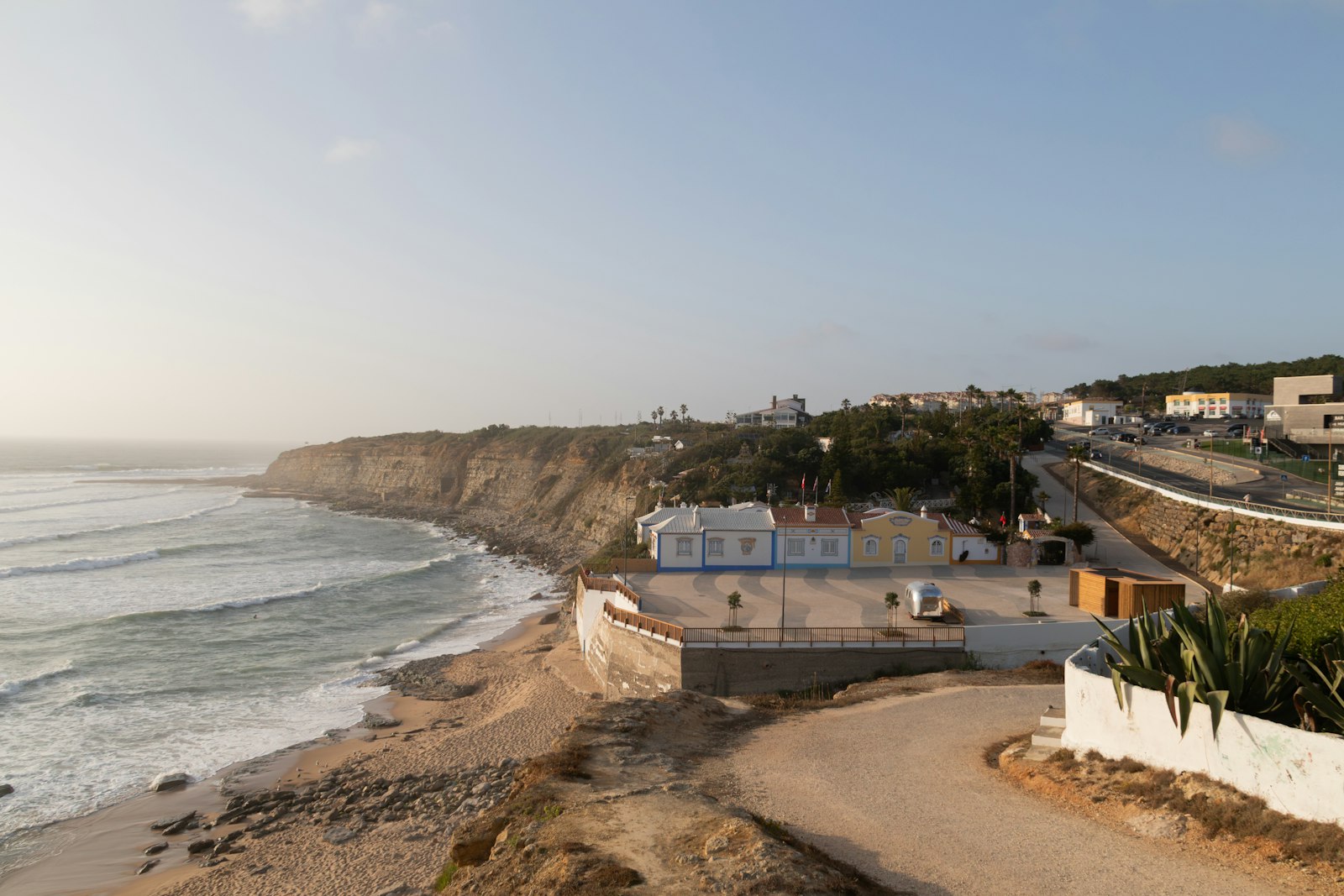
Start with Praia da Claridade, the beach that defines Figueira da Foz. Calling it wide almost feels inadequate. Between the promenade and the Atlantic lies an extraordinary expanse of golden sand, creating the sensation that the ocean has deliberately placed itself at a distance. It is ideal for long walks, unhurried afternoons and watching the city change character as the light softens toward evening. The beach has also long been associated with sailing, surfing and other water sports, so there is plenty happening when you want more than simply lying in the sun.
For something more active, cross toward Praia do Cabedelo. South of the Mondego River, Cabedelo has a different character — the relationship between river, ocean and wind makes this side of Figueira especially appealing to surfers, and to anyone who prefers their beach experience a little less manicured. Bring a towel, find a place on the sand, and stay until you are ready to leave.
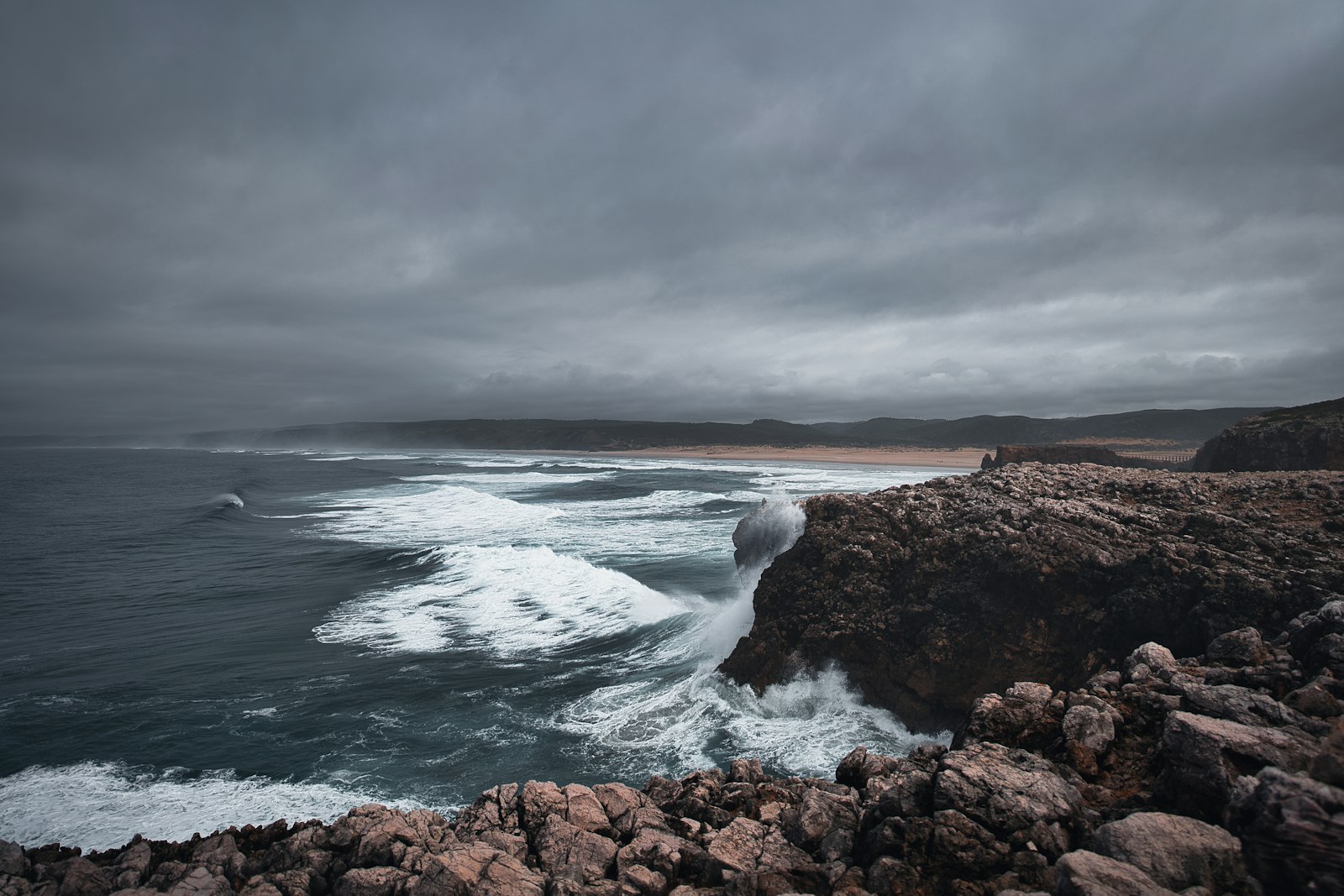
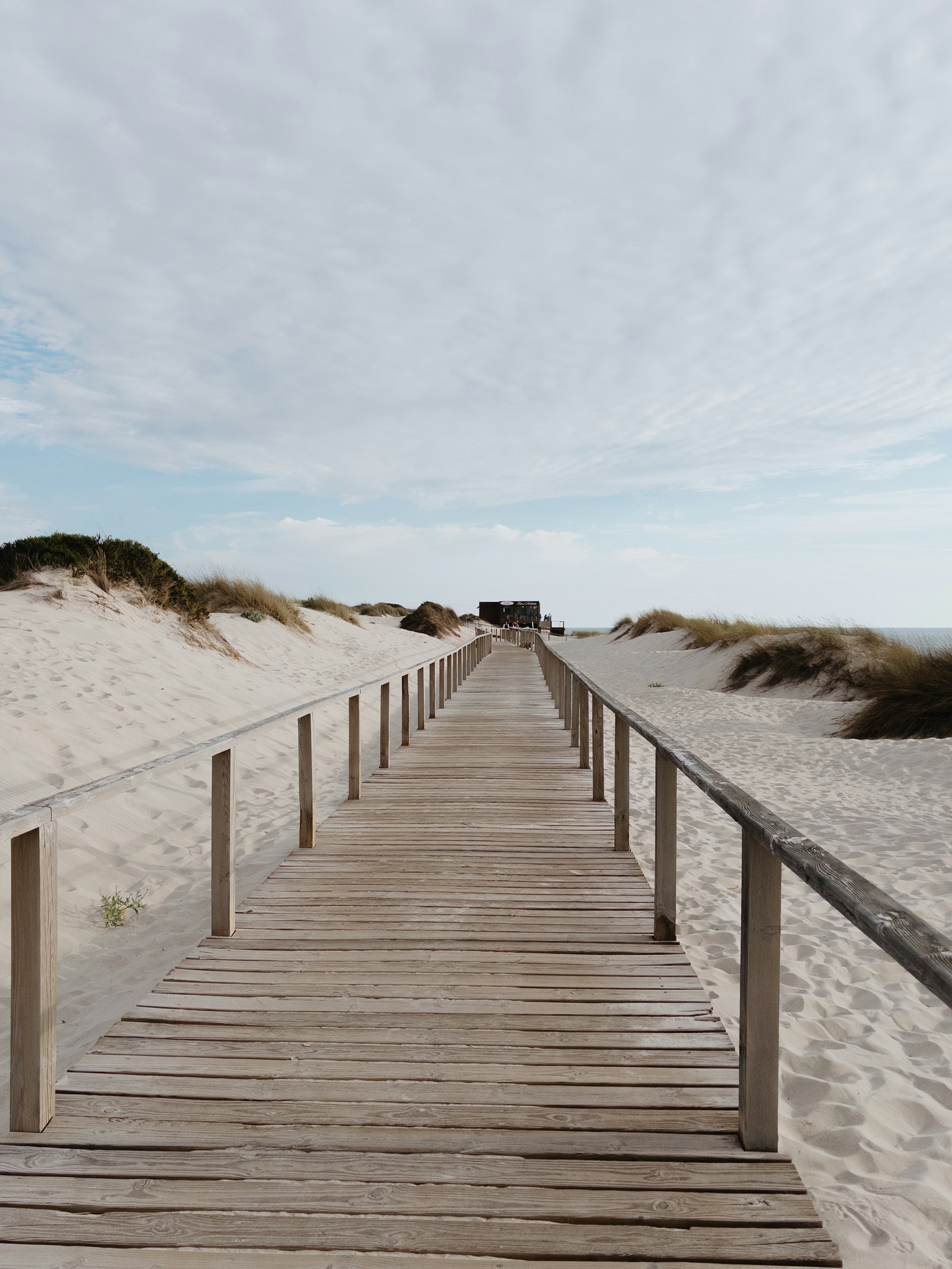
Then drive north. Near Buarcos, Praia do Cabo Mondego offers a much wilder expression of the coast, with good surfing and bodyboarding conditions and the dramatic geography of Cabo Mondego immediately behind it. Further out still, Praia de Quiaios is where the landscape truly begins to feel genuinely removed — dunes, Atlantic, open sky, and a boardwalk that gives you a reason to keep walking. Figueira gives you both versions of Portuguese beach life: the grand urban praia, and stretches of coastline where you can still feel almost alone.
Praia da Claridade’s extraordinary scale, plus three very different beaches within a short drive — Cabedelo for surfing, Cabo Mondego for drama, Quiaios for isolation.
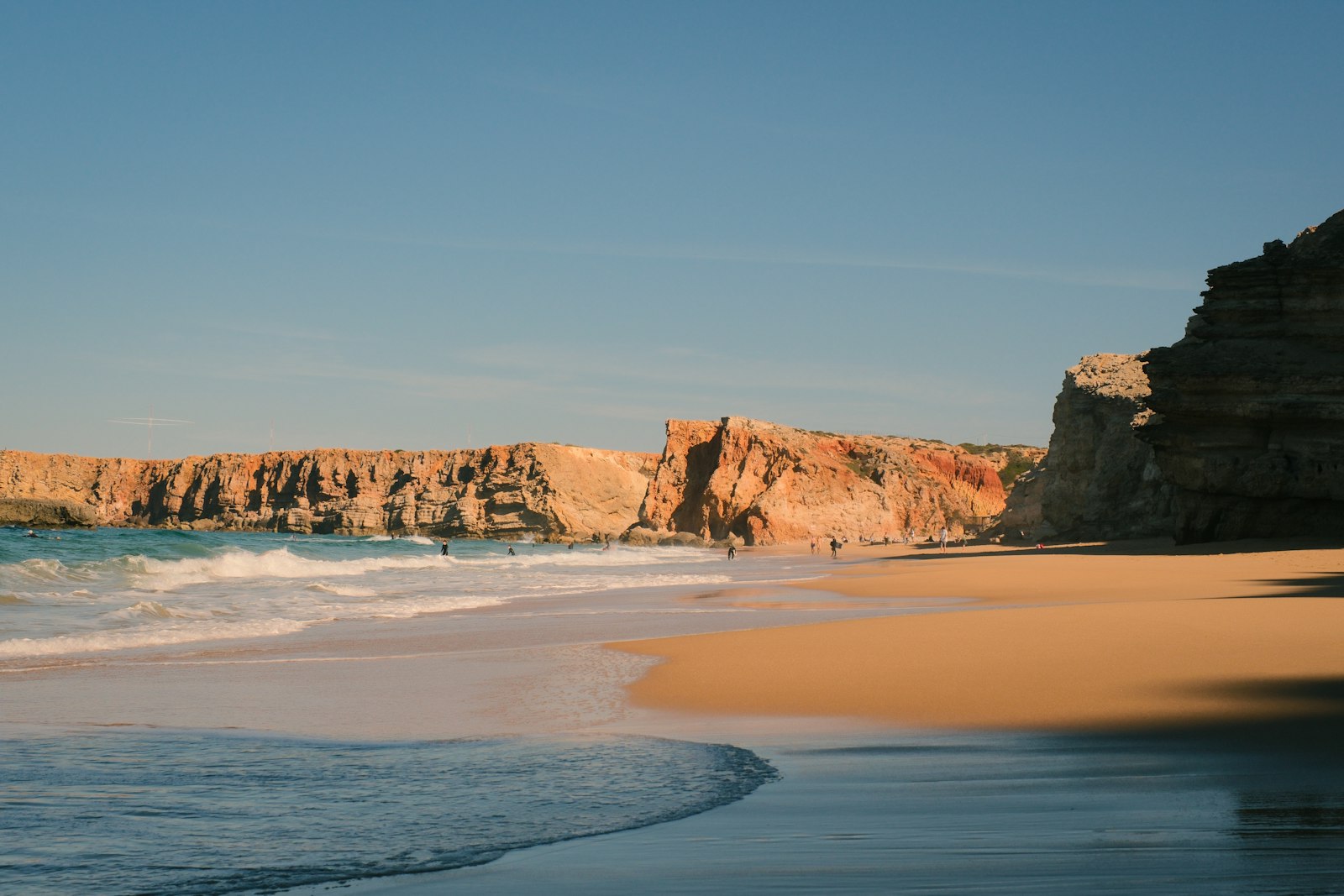
Years ago, The Guardian singled out a simple beach bar at Quiaios precisely because of its sense of isolation. Come for a beach walk, stay for lunch, and leave your phone in your bag.
Buarcos: The Town We Love
Technically, you haven’t really understood Figueira da Foz until you’ve wandered into Buarcos.
Immediately north of the modern beachfront, the former fishing village introduces another layer to the city. The scale tightens. Streets become more intimate. Fishing traditions, older architecture and contemporary beach life sit comfortably beside one another.
Walk rather than drive. Stop for coffee. Look down side streets. Have lunch without checking the time. Continue toward the waterfront as late afternoon begins.
Buarcos is part of what prevents Figueira from becoming simply another beach destination. There is a lived-in quality here, the impression that tourism arrived but never completely displaced the town that existed before it. The old fishing character is still part of the atmosphere, while the proximity to the beach gives the area a relaxed coastal energy throughout the warmer months.
A former fishing village immediately north of the beachfront — narrow streets, older architecture, and a rhythm the resort side of Figueira doesn’t have.
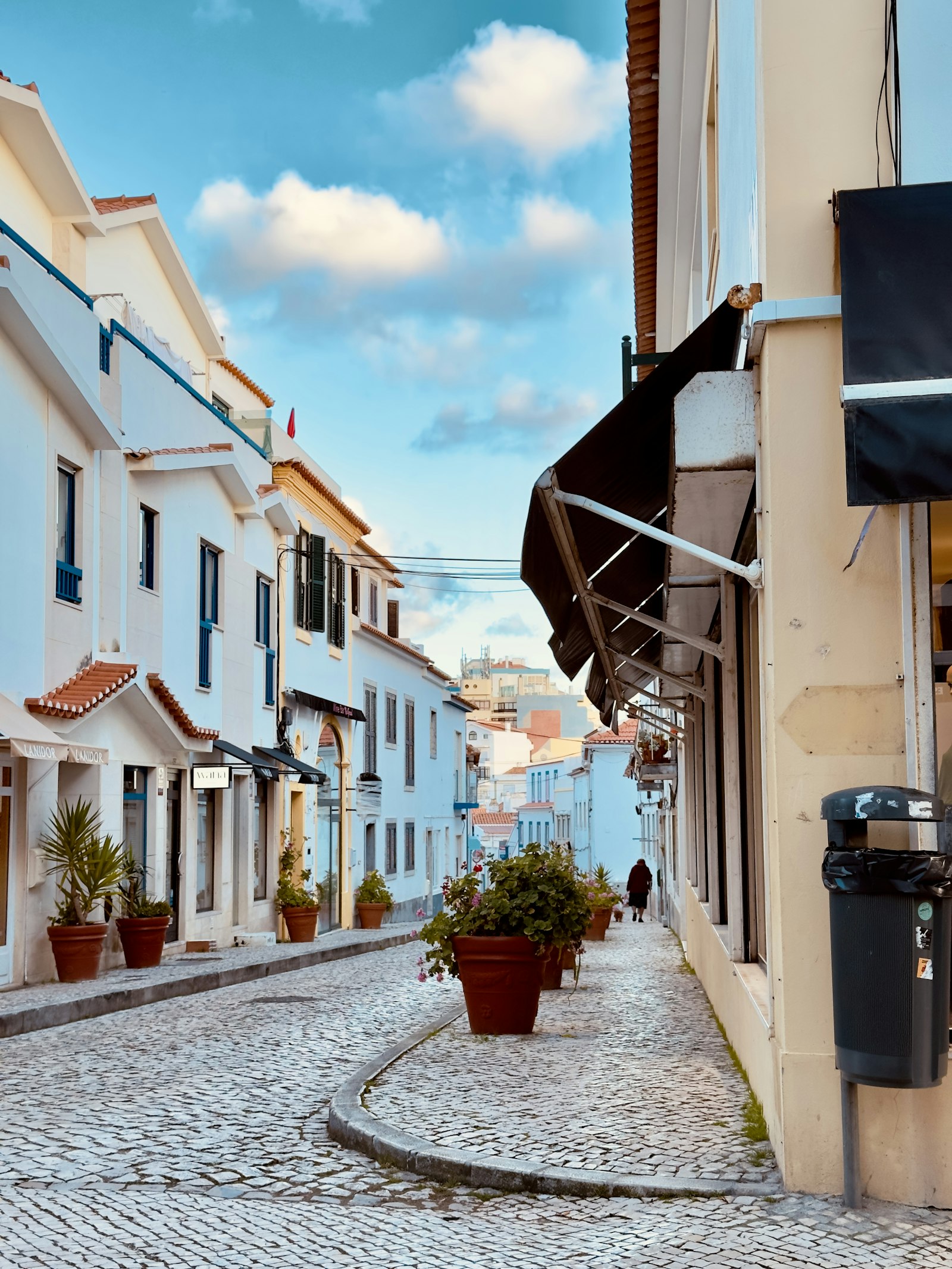
Where the Soft Seaside Atmosphere Suddenly Becomes Dramatic
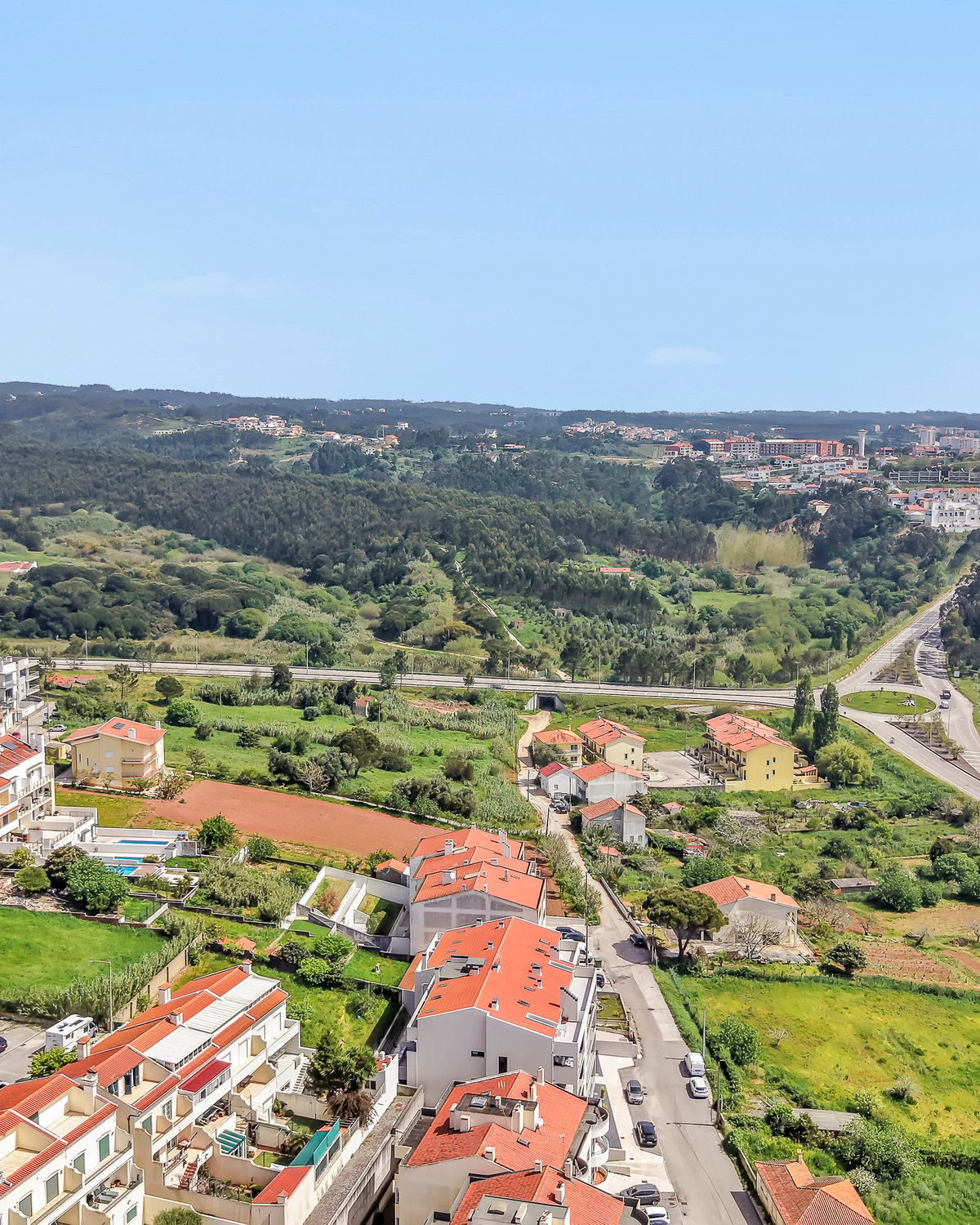
Drive north from Buarcos into the Serra da Boa Viagem and toward Cabo Mondego. The elevation gives you sweeping views back toward Figueira and outward across the Atlantic, while the coastline below becomes rockier and more elemental.
Cabo Mondego sits close enough to central Figueira that it requires very little effort to reach, yet visually it feels like you have gone somewhere entirely different. This is one of those places where the correct activity is simply standing still for a while.
The Serra da Boa Viagem also gives you an opportunity to experience another side of the area, with woodland, walking routes and viewpoints that make it easy to forget how close you are to the city and the beach. It is one of the reasons Figueira works so well as more than a summer destination. There is enough landscape around it to keep you exploring long after the first beach day is over.
A short drive from the coast into woodland, walking routes and viewpoints over both the Atlantic and the city below.
Where the City Falls Away Entirely
Quiaios
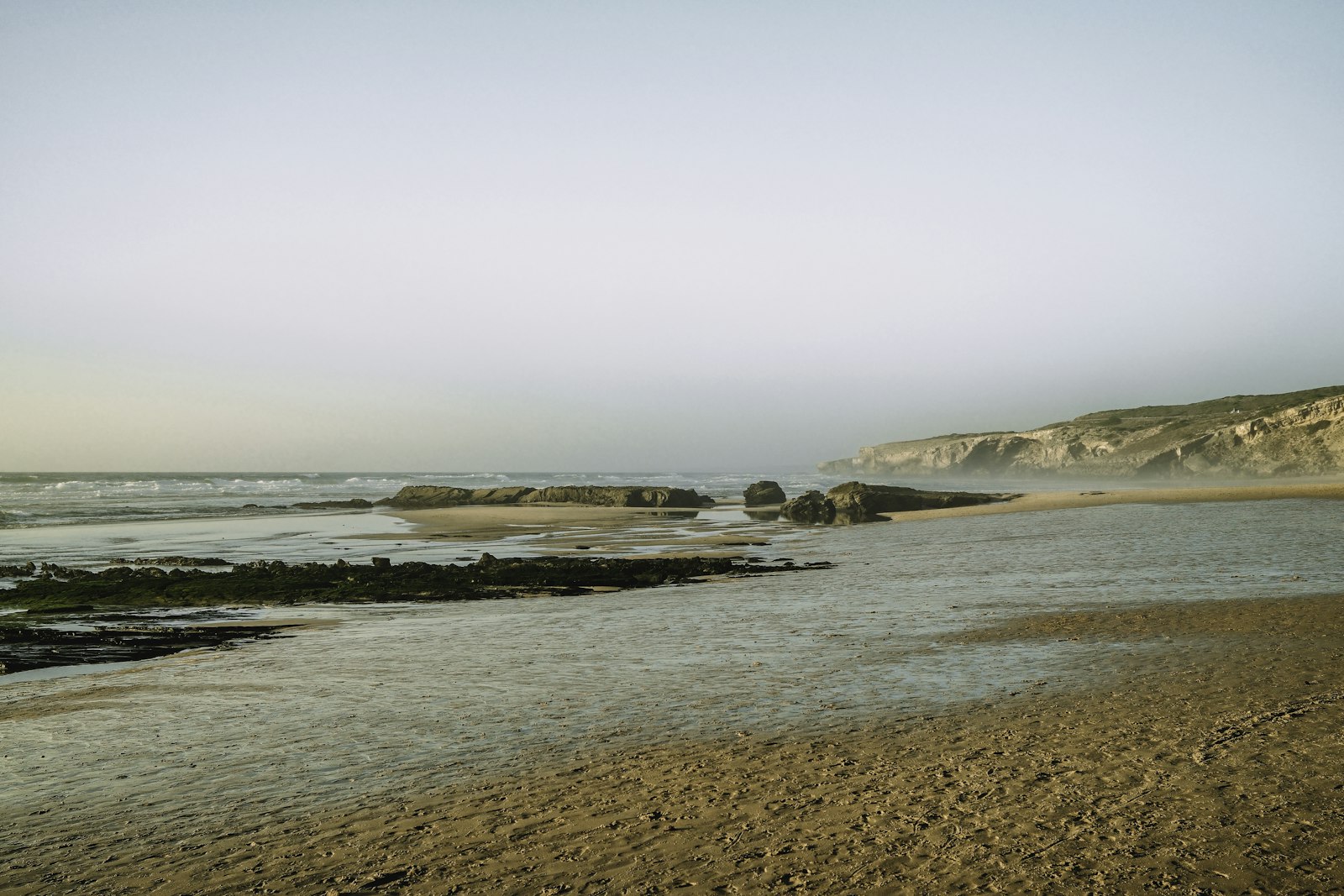
North of Cabo Mondego is Quiaios, and this is where Figueira’s coastline starts shedding almost every trace of the city. The village itself retains a quiet local character, while the beachfront is all dunes, ocean and space.
Quiaios isn’t somewhere we’d send you because there are twenty things you need to see. We’d send you precisely because there aren’t. Come for a beach walk. Stay for lunch. Have something cold while looking at the Atlantic. Sometimes the best recommendation is simply a place that allows absolutely nothing to happen.
Costa de Lavos
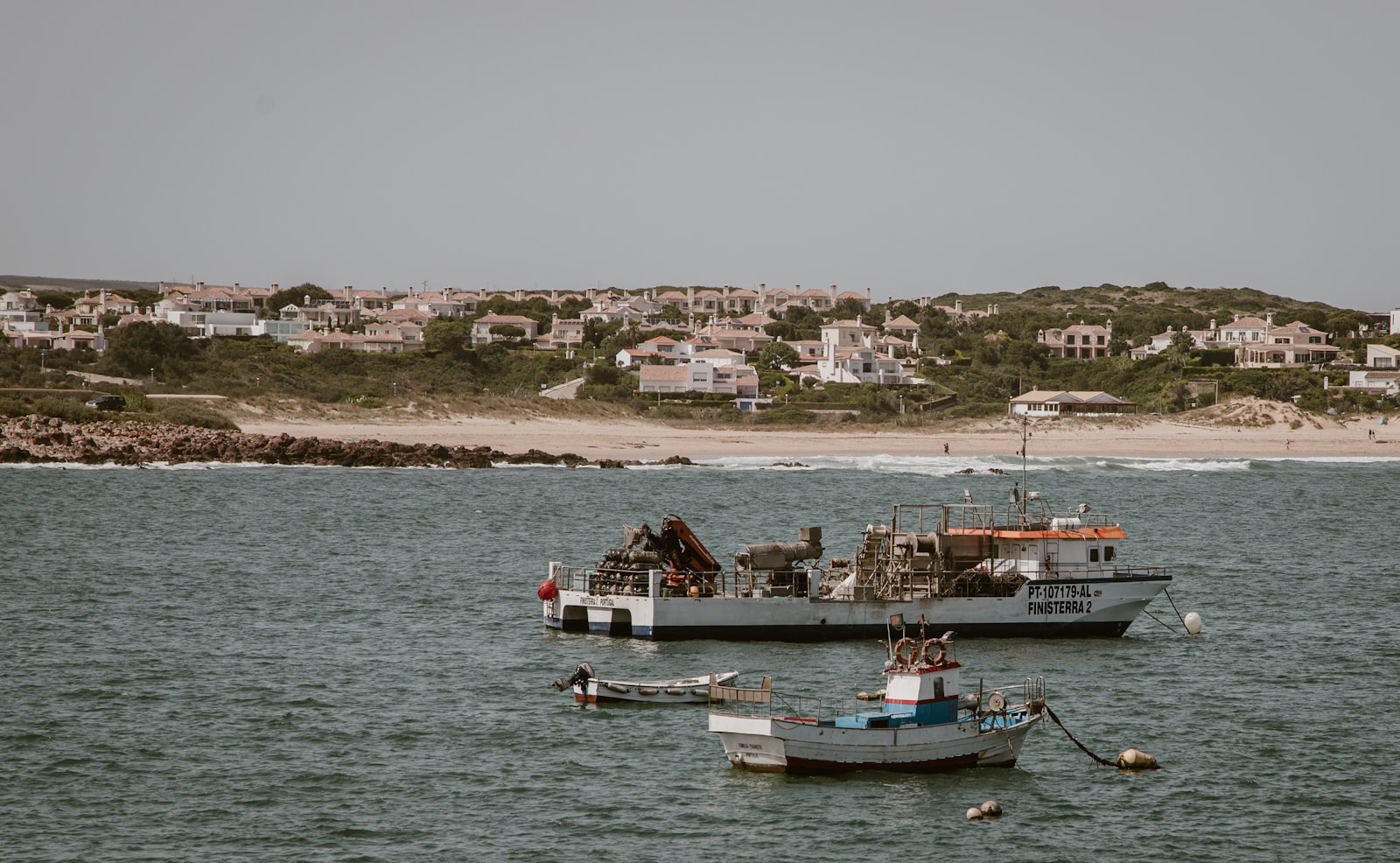
Go south of the Mondego to Costa de Lavos. Historically tied to fishing, this stretch of coast offers another glimpse of an older Atlantic Portugal, one shaped less by destination tourism and more by the sea itself.
It is quieter and rougher around the edges than central Figueira, and that is the appeal. You come here not for polish, but for authenticity — ocean, fishing culture, long stretches of beach, and the knowledge that you are seeing a side of Portugal that most international travellers will pass without ever knowing was there.
Resist the Temptation to Fill Them
Arrive late enough that you have no agenda. Check in, walk Praia da Claridade, have a sunset drink and let dinner run late.
Coffee in Buarcos, time on the beach, a long seafood lunch. Drive through the Serra da Boa Viagem toward Cabo Mondego for golden hour, then back into town for dinner.
Go exploring. Choose Quiaios to the north, or cross the Mondego toward Costa de Lavos. Take the longer route back, and stop anywhere that looks interesting.
A Place of Your Own in Buarcos
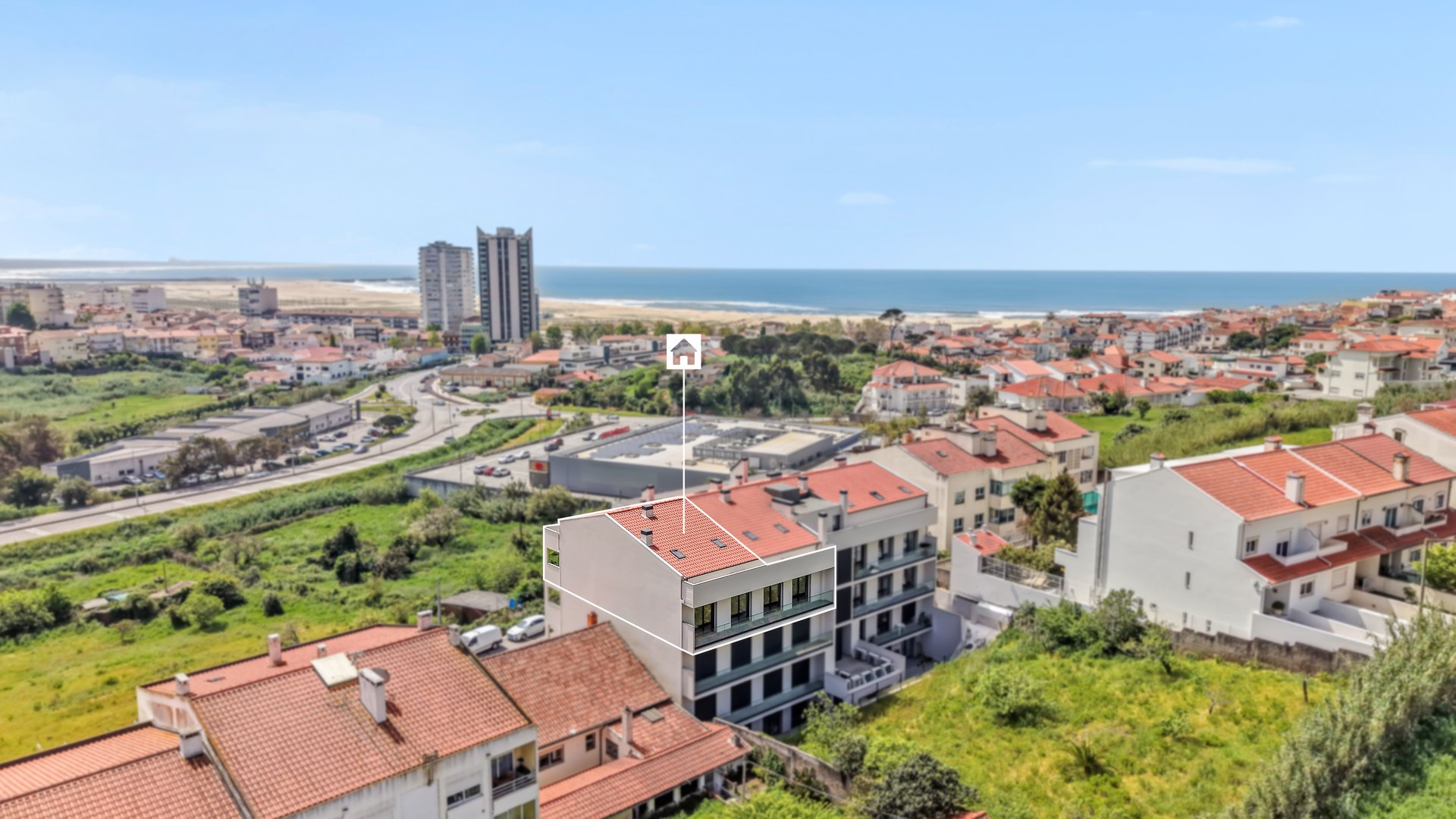
If a few days in Figueira da Foz leave you wondering what it would be like to stay a little longer, Buarcos offers a particularly compelling place to do it. Positioned just moments from the water, this five-bedroom duplex captures the neighbourhood’s dual personality: historic streets and the character of the former fishing village outside, with expansive, light-filled contemporary living space within.
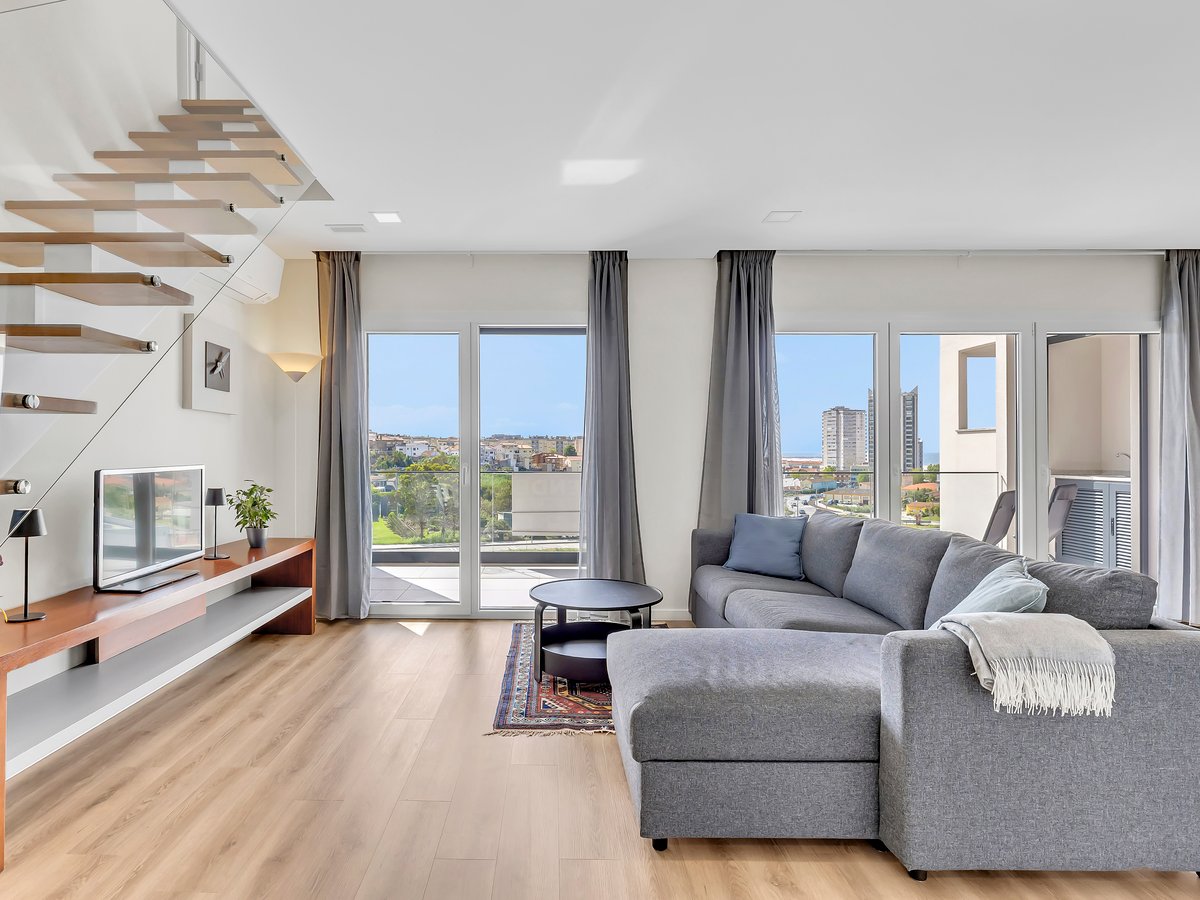
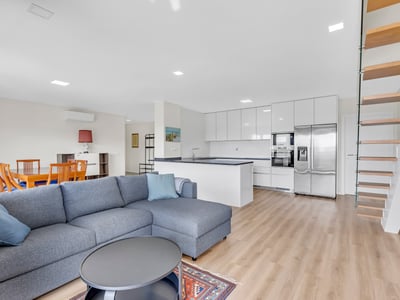
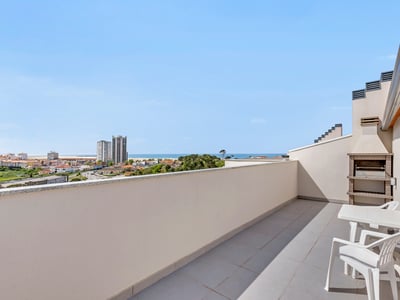
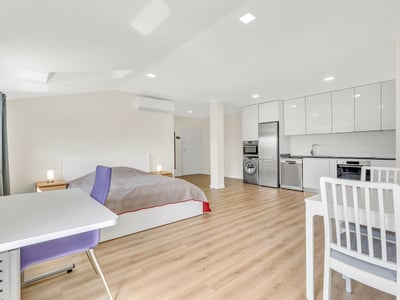
There is a private heated pool, and the relationship between the interior and exterior spaces means the sea is never far from the experience of being at home. Mornings can begin with coffee above the old village; afternoons can unfold by the pool or across the coastal views; evenings can settle into the privacy of the house while the Atlantic remains part of the backdrop.
Why Figueira Stays With You
Perhaps the most interesting thing about Figueira da Foz is that it does not demand to be loved immediately. It isn’t trying to compete with the Algarve’s cliffs or Lisbon’s energy. It doesn’t have Porto’s dramatic relationship with the river.
Its appeal is quieter. It is the scale of the beach and the familiarity of the promenade. It is Buarcos in the late afternoon, when the old fishing village begins to settle into the evening. It is a seafood lunch that lasts longer than expected and a drive into the Serra da Boa Viagem when you need a change of scenery. It is the feeling of having enough space.
Figueira da Foz is one of those places that rewards people who are willing to look beyond Portugal’s most obvious destinations. Coimbra is close enough for a day trip, Porto is within easy reach, and the wider Centro region gives you plenty of reasons to keep exploring. But you don’t really need a reason. You can simply come here, walk along the beach, eat well, watch the sunset and allow a few days to unfold without much planning.
And perhaps that is why Figueira takes up a little more space in your mind than you expected.
Frequently Asked Questions
What is Figueira da Foz best known for?
Praia da Claridade, an extraordinarily wide urban beach that stretches out in front of the city where the Mondego River meets the Atlantic. Figueira is also known for its Belle Époque architecture, its Casino dating to 1900, and a slower, less resort-like version of Portuguese seaside life than the Algarve or Lisbon coast.
Which beach should I visit in Figueira da Foz?
Praia da Claridade for the classic wide urban beach experience. For surfing, cross to Praia do Cabedelo or drive north to Praia do Cabo Mondego. For a genuinely remote feeling, continue to Praia de Quiaios, with its dunes and boardwalk.
Is Buarcos worth visiting?
Yes — technically you haven’t really understood Figueira da Foz until you’ve wandered into Buarcos. The former fishing village sits immediately north of the modern beachfront, with narrow streets, older architecture and a lived-in quality that keeps Figueira from feeling like a resort built purely for tourism.
What is there to do beyond the beach in Figueira da Foz?
Drive into the Serra da Boa Viagem and Cabo Mondego for dramatic coastal views and walking routes, visit the historic Casino Figueira and Palácio Sotto Mayor, or head further out to Quiaios and Costa de Lavos for a quieter, more removed side of the coast. The town also has a serious dining scene, including a Bib Gourmand restaurant.
How many days should I plan for Figueira da Foz?
Three days is enough for a first visit without overfilling them: one day to settle in and walk Praia da Claridade, one day for Buarcos and the Serra da Boa Viagem, and one day to explore further out toward Quiaios or Costa de Lavos.
What is available for buyers interested in Figueira da Foz?
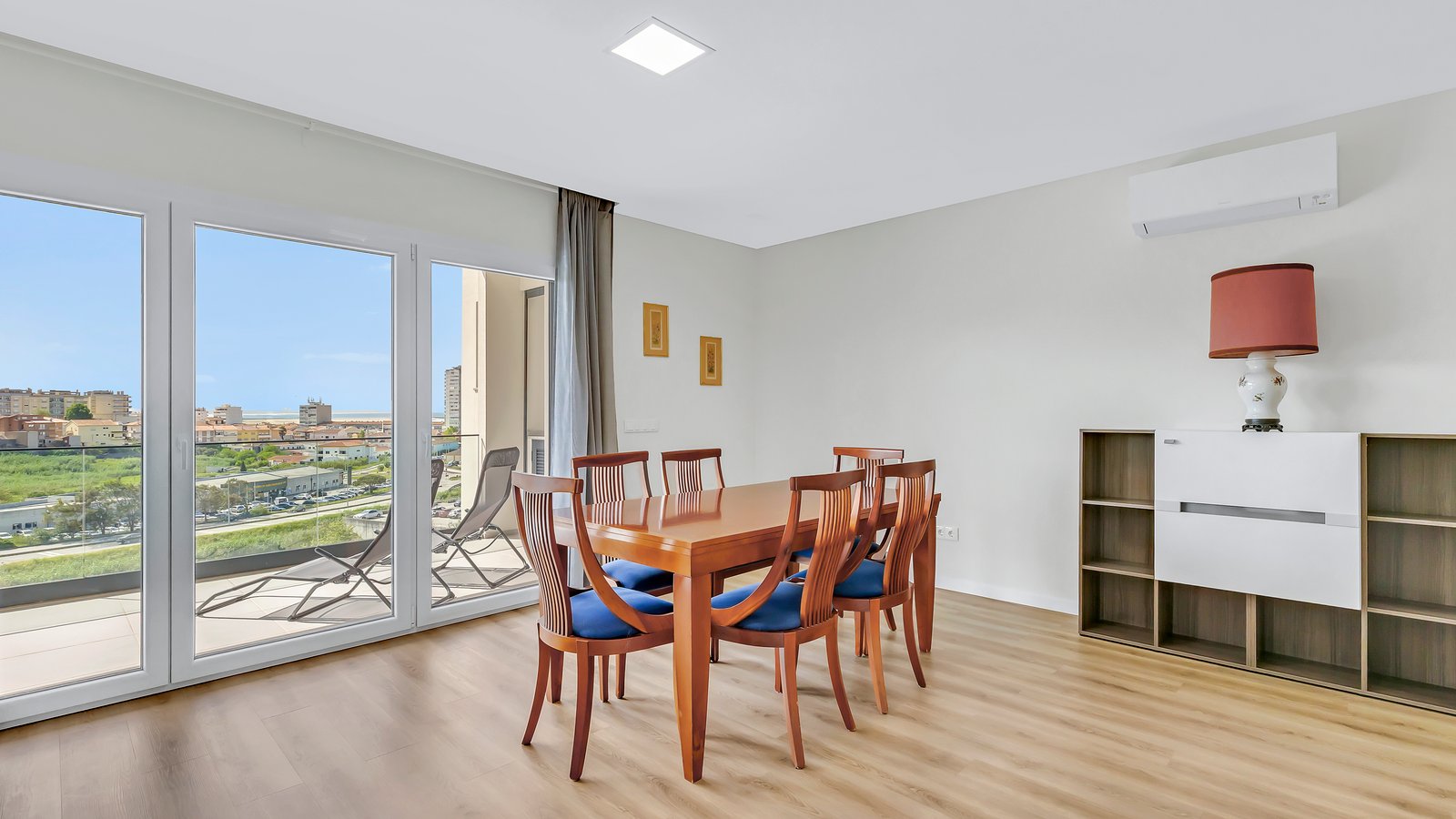
A five-bedroom duplex in Buarcos, priced at €695,000, with a private heated pool, three terraces, garage parking for two cars and an independent studio suite — positioned to work particularly well for longer stays and entertaining.
Thinking about Figueira da Foz as more than a holiday?
We understand a place before we recommend a property in it. If Figueira has caught your attention, a conversation is a better starting point than a listing.