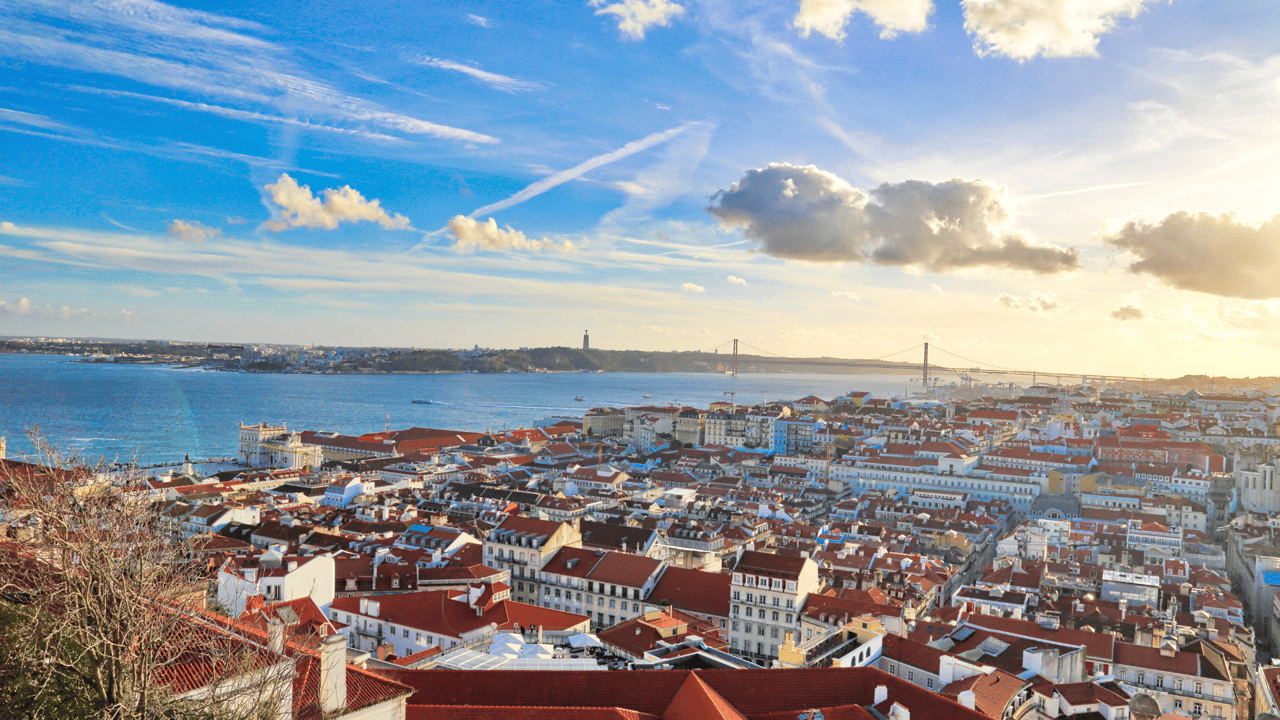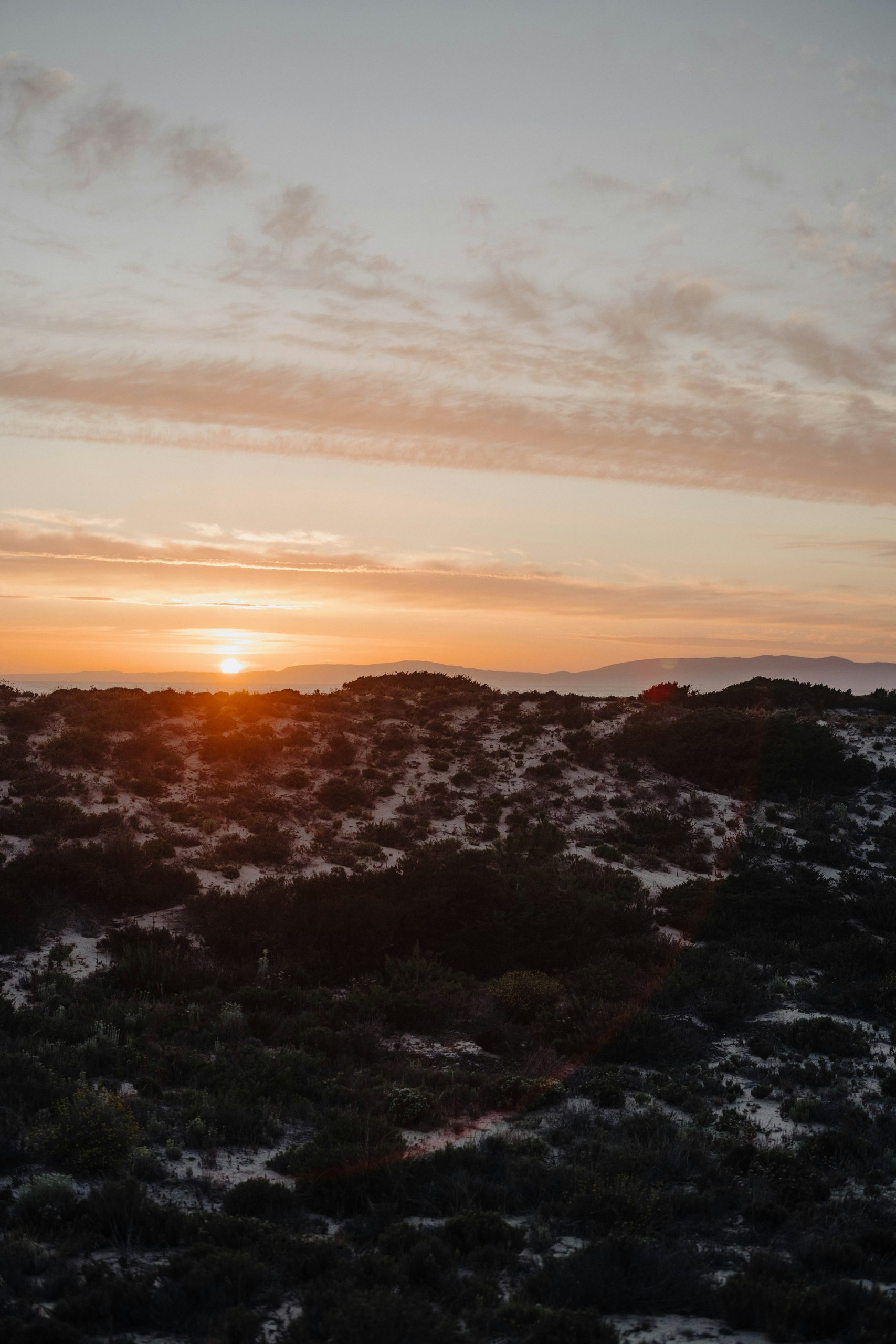

Beyond Comporta: The Secret of the Sado


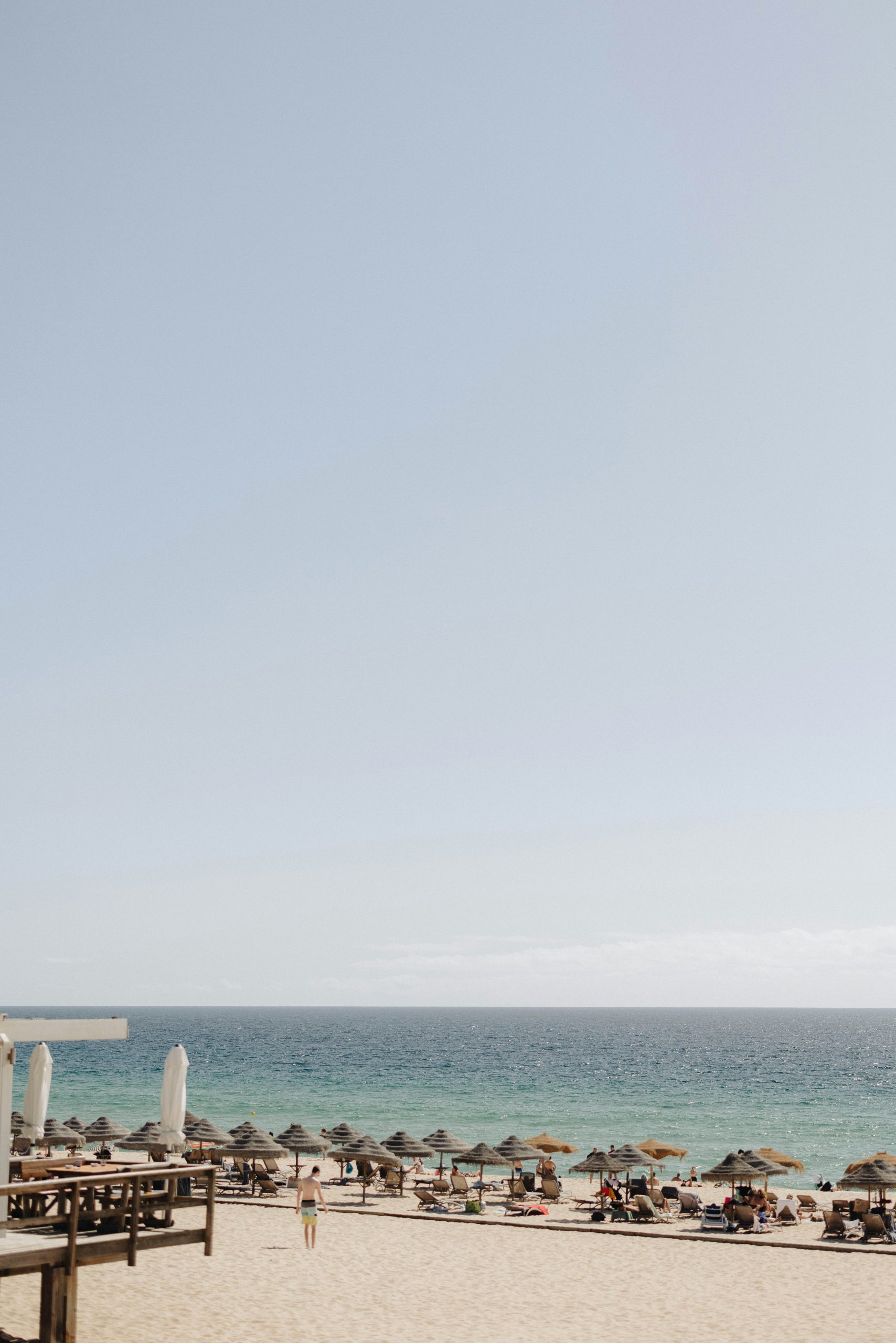

Praia da Comporta for the first impression — wide, clean, and unmistakable.

Carvalhal when you want the day to feel easy, beach and lunch in one stop.
Pego for space, Melides when you want to keep going south.



Slow-cooked rice, fresh Atlantic seafood, and Queijo de Azeitão.
Complex regional wines from Palmela and Azeitão’s cellars.

Long lunches and cáfes that don’t need to be rushed.

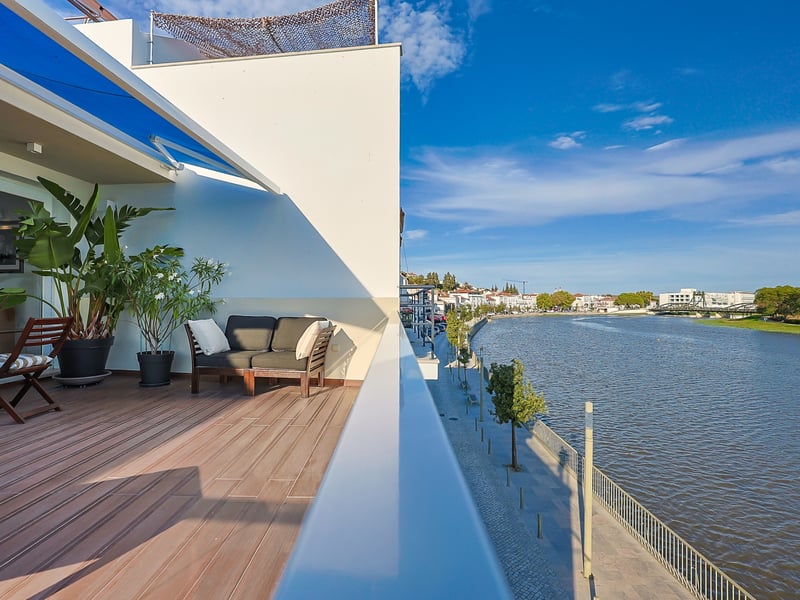
Alcácer do Sal gives the whole region its context — the Sado River, a medieval castle, historic streets, and a year-round rhythm that Comporta alone doesn’t have.

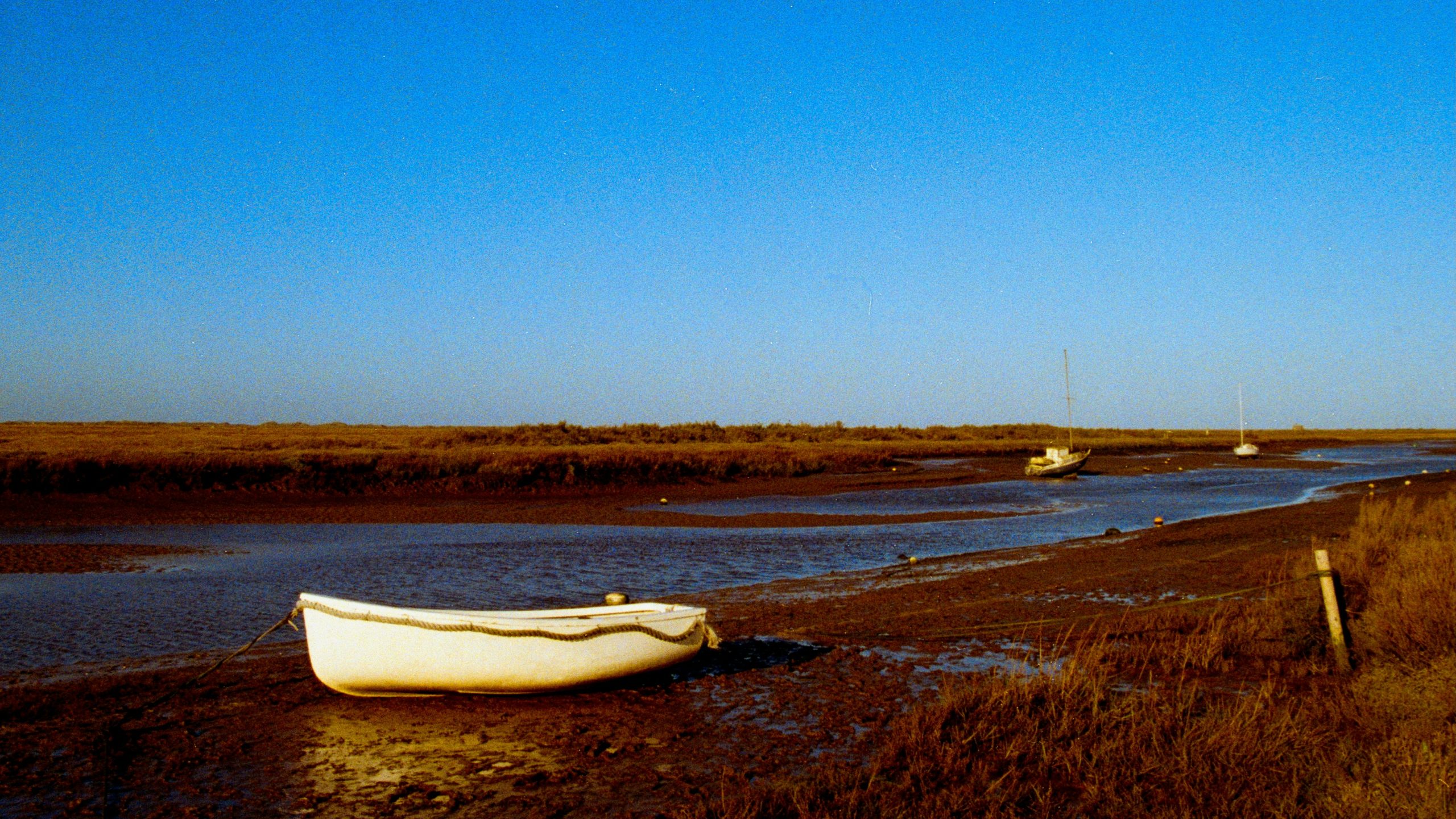

Carrasqueira’s wooden stilt pier is still a working fishing structure, not a backdrop — best seen late in the day, with some respect for what it is.
Click to Reveal →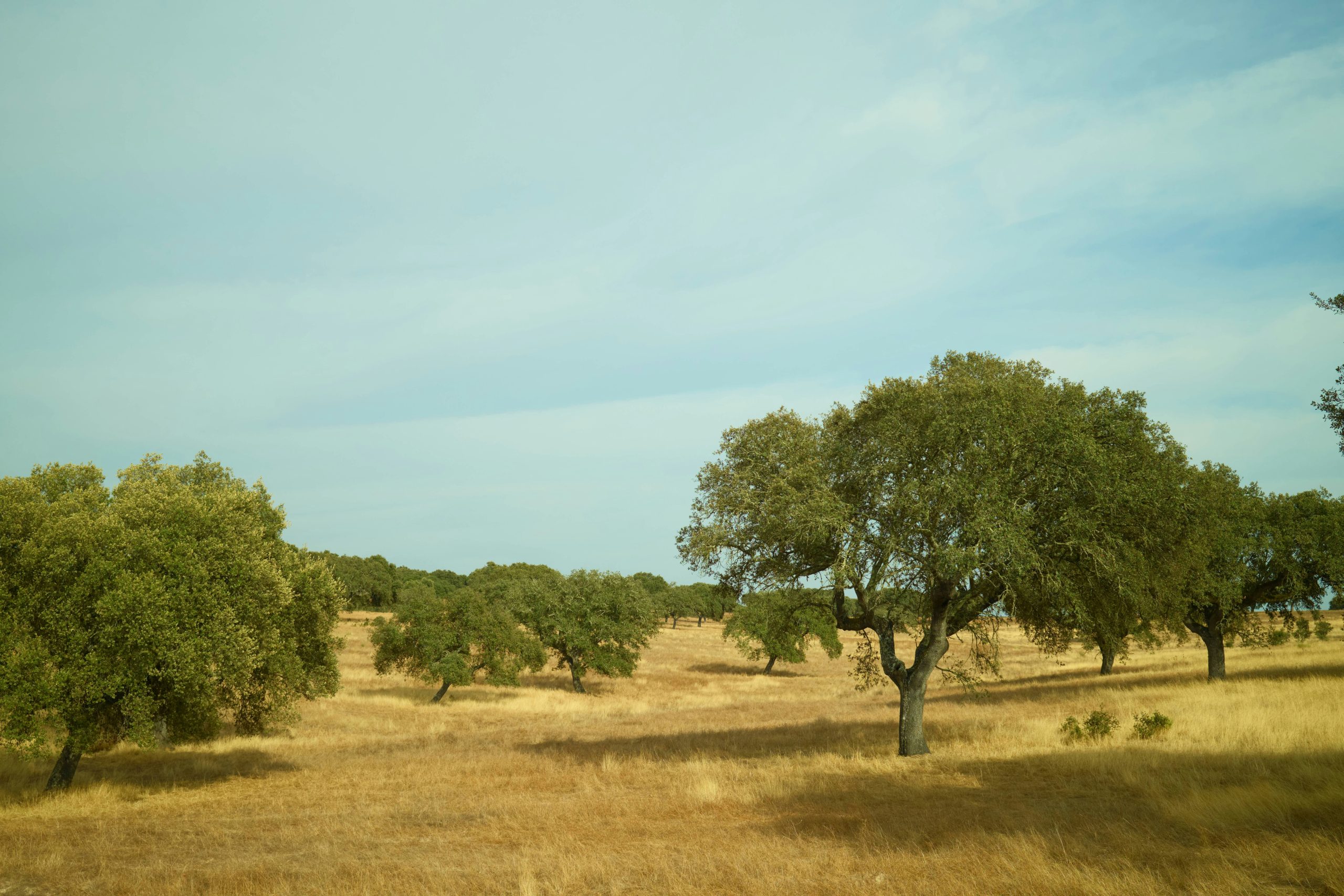
Melides feels more Alentejo, more spread out, and less tied to the Comporta name — worth the extra distance for a longer weekend.
Click to Reveal →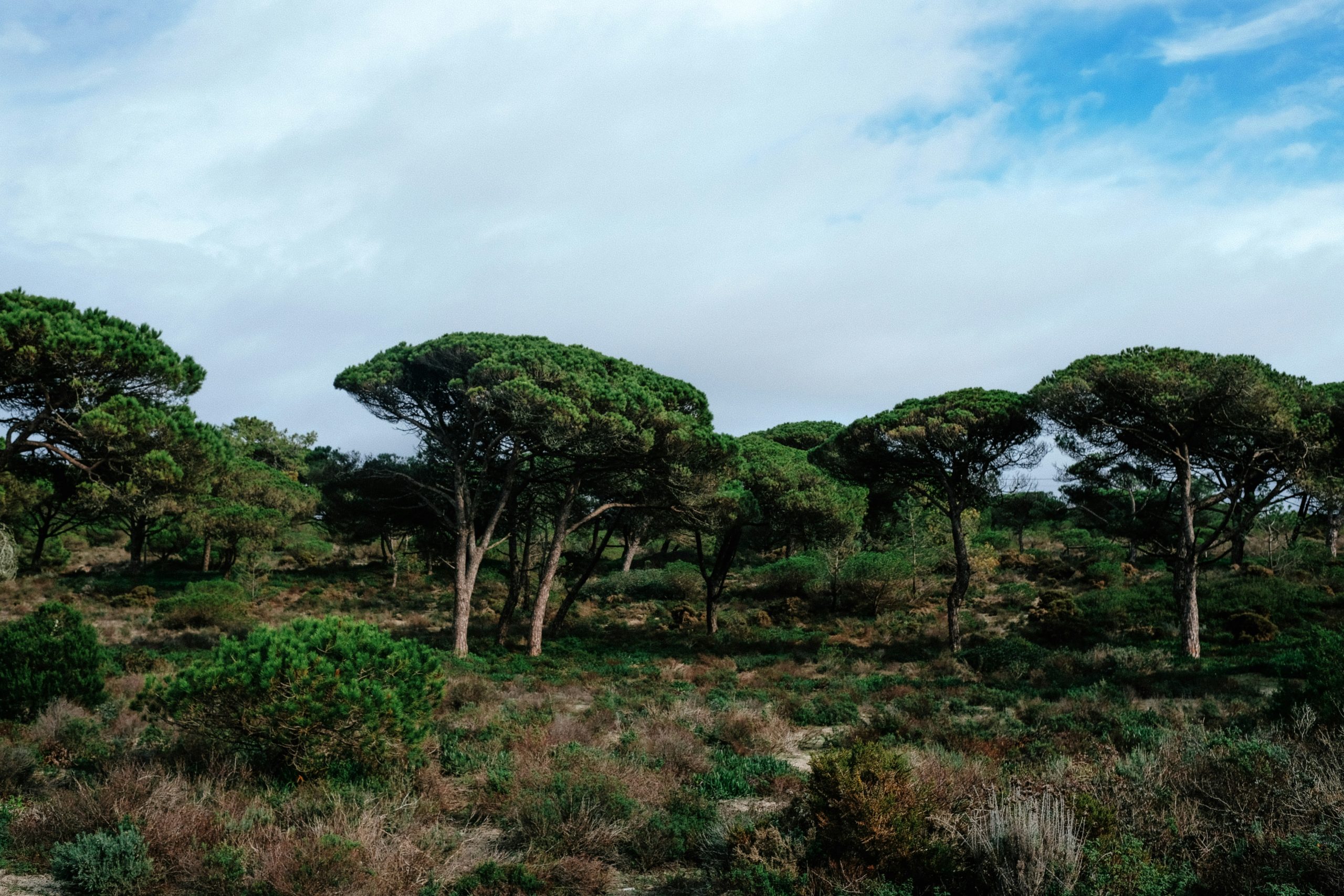
In July and August, life around here revolves strictly around the sand and sea. But as autumn settles in, the magic of southern Portugal shifts. It becomes less about hunting for a shady spot at a crowded beach club and more about discovering the rich, atmospheric heart of the region.
Some places become famous long before visitors truly understand them. People hear iconic names and picture remote, sleepy outposts, missing the vibrant history and local character woven into every town and village across Portugal.
Whenever I find myself crossing the river and driving south, I am reminded of how easily we fall into the trap of repeating the same well-worn journeys. We stick to the familiar routes, stopping at the exact places everyone else talks about, as if the landscape between them were merely space to be passed through.
For this issue of The Travel Edit, I wanted to slow down and look closely at the south of Lisbon—not as a hurried weekend escape or a checklist of beach clubs, but as a place with its own rhythms, deep layers of history, and a quiet, soul-stirring beauty that reveals itself most fully in autumn. Beyond the glamour of Comporta lies a landscape rich with texture: the stately riverfront of Alcácer do Sal along the Sado, narrow roads cutting through fragrant pine woods, Carrasqueira’s weathered wooden fishing pier, the sun-drenched vineyards of Palmela and Azeitão, and vast, golden coastlines where the Atlantic rolls in without a crowd in sight.
Why I Would Start in Alcácer do Sal
Comporta, but Not as the Whole Personality
The Beaches I Would Actually Plan Around
Carrasqueira, the Sado & the Landscape
October Belongs at the Table
Editor’s Picks: My South of Lisbon Menu
More Than a Weekend
How I Would Do the Weekend
Final Thoughts
Frequently Asked Questions
Why I Would Start in Alcácer do Sal
If you ask most people about Comporta, they will immediately describe whitewashed cabanas, stylish boutiques, and barefoot luxury. It is an easy dream to fall for, but if you start your trip there, you miss the context that makes the whole region make sense. I always tell friends to begin in Alcácer do Sal instead. Nestled along the quiet curves of the Sado River, with its medieval castle standing watch over endless green rice paddies, Alcácer carries a timeless, grounded energy born from centuries of river life. It is just a short drive from the coast, yet it feels rooted in something ancient and real. October is perhaps my favorite time to wander this coastline. The summer heat mellows into golden, sunlit afternoons averaging around 23°C, crisp Atlantic breezes carry the scent of pine and salt, and the light takes on a soft, painterly glow. Instead of rushing to secure a sunbed before noon, your day naturally unfolds around long, lingering lunches, quiet cellar visits, reflective walks along the water, and spontaneous detours down unpaved tracks just to see where they lead.
From the riverfront in Alcácer, Comporta is a breezy 25-minute drive through umbrella pines and open fields. That brief distance changes everything. You remain close enough to drop in for a swim or an early dinner by the dunes, yet comfortably removed from the high-season buzz—living alongside the natural heartbeat of the region rather than its tourist calendar.
That is the whole point of this route.
Comporta, but Not as the Whole Personality
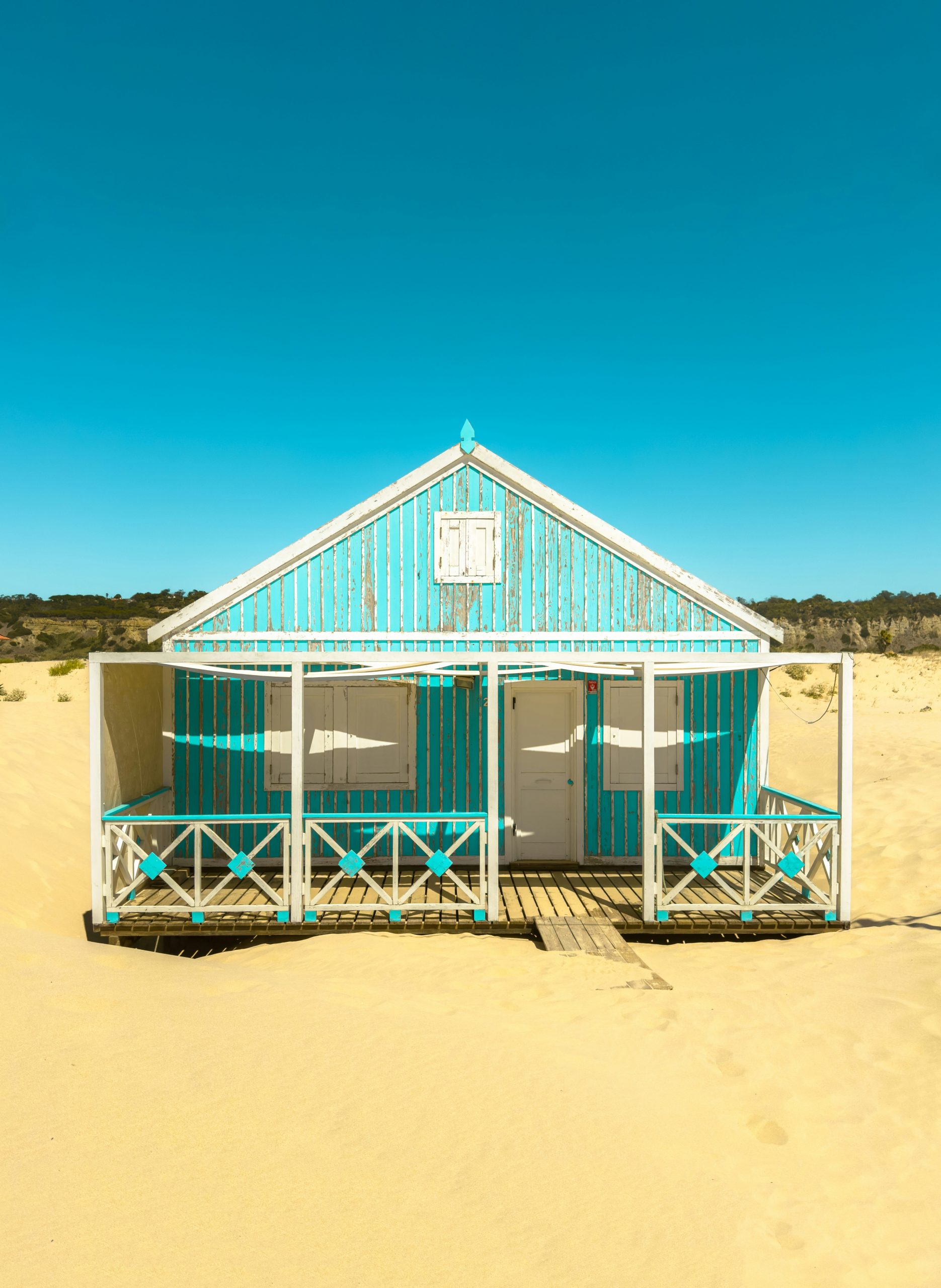
Comporta has become one of those places people arrive at with an idea already in their head.
So many travelers arrive in Comporta expecting a carefully styled postcard of emerald fields, pine woods, and bohemian boutiques. And while all of those elements are wonderfully present, Comporta’s true magic has always been its unpretentious, effortless spirit. Comporta works when it is allowed to be small.
I love taking an unhurried hour to stroll through the village. Pop into Casa da Cultura to see what local artists are sharing, wander through the small artisan shops without any agenda, and settle in for a long, relaxed meal where local ingredients take center stage—creamy rice dishes, line-caught fish, grilled prawns, rich olive oil, and a cool glass of regional white wine. Comporta shines brightest when you simply let it be.
It doesn’t need to borrow titles from other glamorous resort towns. Its identity is uniquely, beautifully Portuguese: nesting storks high up in the treetops, low-slung whitewashed cottages, dappled sunlight filtering through pine canopies, huge open skies, and wild, golden beaches that look far better untouched than curated.
For me, Comporta is not the whole weekend. It is the middle of it. It is where you go after Alcácer has given the trip context, and before the Sado, Carrasqueira, or the wine roads pull you somewhere else.
The Beaches I Would Actually Plan Around
The beaches matter. I just would not make them the only decision.
Praia da Comporta is the obvious first beach, and there is nothing wrong with obvious when it is obvious for a reason. It is wide, clean, backed by dunes and pine forest, and easy to understand immediately. If someone has never been to the region, I would probably take them there first because it gives them the visual answer they came for.
Carvalhal is the beach I would choose when I want the day to feel easy. The approach moves through rice fields and pine trees before reaching the sand, which already makes the arrival feel like part of the experience. It is useful when you want beach, lunch, and a little structure without making the day too fussy.
Pego is where I would go when I want more space. It continues south from Carvalhal and has that long Atlantic feeling that makes you stop checking what else you were supposed to do. In October, this is the kind of beach I like for walking as much as sitting.
Melides is the one I would save for a longer weekend. It feels more Alentejo, more spread out, and less attached to the Comporta name. The lagoon, the beach, the pine trees, and the road south make the whole trip feel like it has opened up a little.
The way I would choose is simple. Praia da Comporta if it is someone’s first time. Carvalhal if I want the easiest plan. Pego if I want space. Melides if I want to keep going and let the day feel less predictable. That is enough. You do not need to collect every beach in one trip.
Carrasqueira, the Sado, and the Landscape Behind the Lifestyle
Carrasqueira is one of my favorite kinds of places because it keeps the region from becoming too polished.
The stilt pier is photographed constantly, and I understand why. It is beautiful, especially late in the day. But I would not treat it like a backdrop. The Cais Palafítico da Carrasqueira is a working fishing structure, built over the Sado mudflats so fishermen could reach their boats at different tides. That practical purpose is what makes it special.
Go near the end of the day if you can, but go with some respect for what it is. The wooden walkways, small huts, fishing boats, mud, tide, and low light are not there to make the trip look tasteful. They belong to a working landscape that existed long before Comporta became a name people were flying in to say.
This is where the south of Lisbon starts to feel like itself. The Sado Estuary, rice fields, fishing villages, pine forest, dunes, birds, and long beaches are all close together, but they are not interchangeable. That mix is what makes the region interesting.
The Sado is not background here. It is part of the reason the whole area works.
Narrow roads cut through fragrant pine woods and open cork-oak fields on the way between the river and the coast — the texture that makes this route more than a string of beaches. You feel the landscape change before you ever see a dune or a beach umbrella, and that is exactly the point of coming this way instead of driving straight down the highway.
October Belongs at the Table
The best October trips usually become about food, even when that was not the original plan.
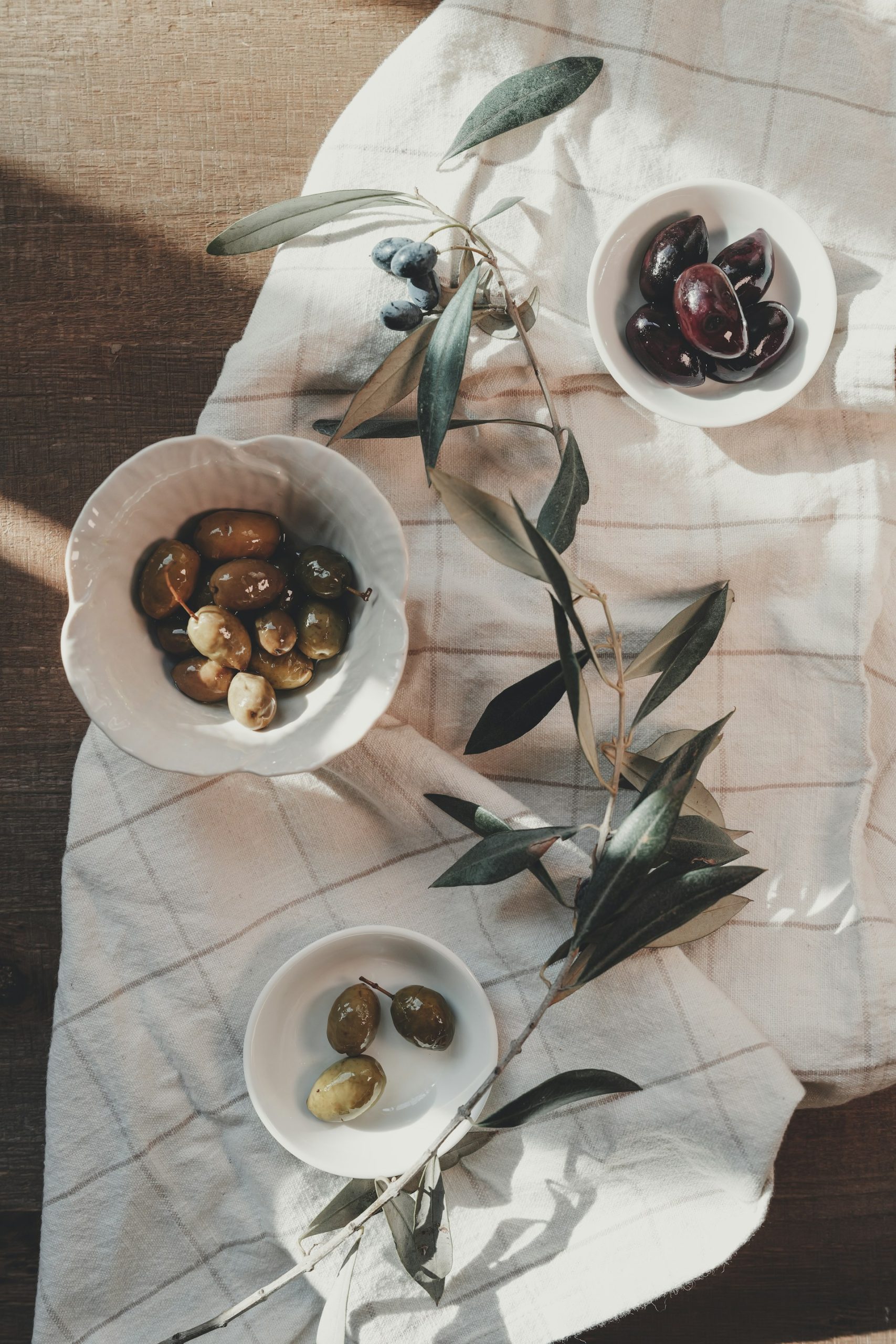
There is something deeply satisfying about how travel naturally shifts toward the table as autumn sets in. The rich agricultural land stretching across Alcácer, Comporta, Palmela, and Azeitão fills every meal with character—from slow-cooked rice dishes and sparkling fresh Atlantic seafood to rich Queijo de Azeitão, toasted pine nuts, and complex regional wines. Here, gathering for a meal isn’t just downtime between activities; it is a warm, sensory celebration of the land itself.
None of it needs to be fancy. The best version is usually a long table, a few bottles of something local, and no particular hurry to get up from it.
If you are in Alcácer do Sal from October 2 to 5, Feira Nova de Outubro is the event I would pay attention to. It has more than 200 years of history and brings music, traditional products, local culture, and the town itself into one place. I like events like this because they are not trying to look like a lifestyle campaign. They are local first, which is exactly why they are useful.
Palmela and Azeitão also belong in this conversation, especially if you are driving back toward Lisbon. Palmela connects you to the Setúbal Peninsula wine route and Moscatel. Azeitão brings wine, cheese, olive oil, and a village feeling that works very well when you want the weekend to end somewhere other than another beach parking lot.
This is where October gives the trip its real shape. You are not just deciding where to swim. You are deciding where to eat, what to drink, which town to stop in, what to bring home, and how much of the region you actually want to understand.
Editor’s Picks: My South of Lisbon Menu
Eight places, in the order I would actually visit them — not a checklist, but the shape of the route itself. Some are the obvious names people already have in mind before they book the trip. A few are the reason the obvious names actually make sense once you are standing in front of them.
Each one gets a short, honest read: what it is, what to pair it with, and the one note I would actually give a friend before they went — the kind of thing that does not usually make it into a guidebook. Use it as a menu, not a schedule. Pick what fits the day you actually have, not the itinerary you think you are supposed to follow, and leave room to change your mind once you are there.
If the Region Starts to Feel Like More Than a Weekend
The Travel Edit always starts with the place. But sometimes the place does what it is supposed to do. You spend enough time there, and the question changes from where should we go this weekend to what would it feel like to come back for longer.
For this issue, the property connection is Alcácer do Sal.
Elevated Riverside Living Minutes From Comporta
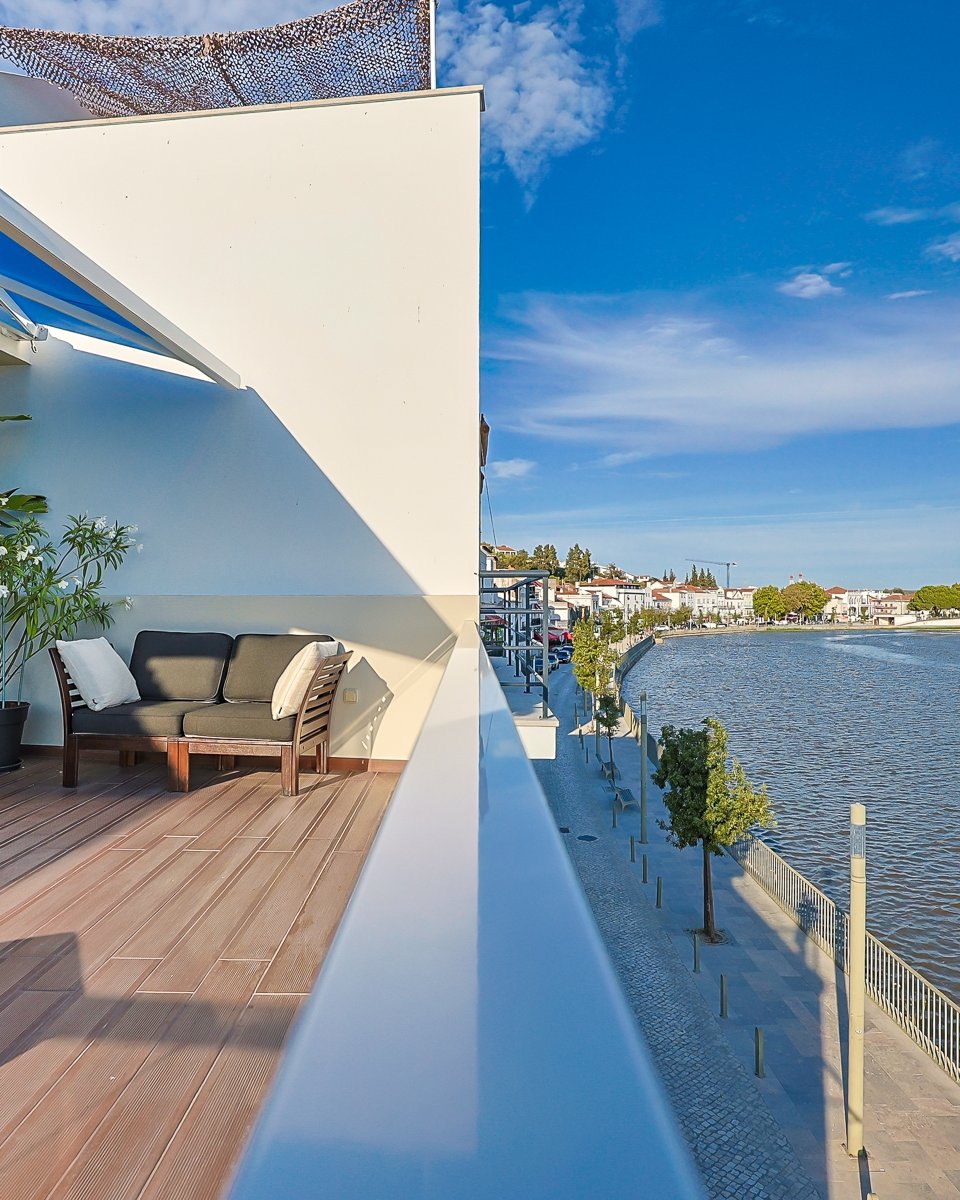
This four-bedroom residence in Alcácer do Sal fits the story of this article because it is not trying to be the beach version of Comporta. It sits in the historic center of Alcácer do Sal, with views over the Sado River and surrounding rice fields, close enough to Comporta for beach days but rooted in a town that has its own life.
Atrium’s listing presents the home with four bedrooms, three bathrooms, and 211 m² of living area. It is positioned for buyers who want access to the Comporta region without needing to live directly inside the most seasonal part of the market.
What makes it interesting is the same thing that makes Alcácer interesting in the article. It gives the Comporta conversation a base. The beaches are close. The restaurants are close. The dunes are close. But home is somewhere with a river, a historic center, local services, and a daily structure that does not depend entirely on summer.
Why we like it: It gives the Comporta lifestyle a more grounded version — the Sado, the rice fields, Alcácer’s historic center, and the practical side of living near one of Portugal’s most talked-about coastal regions.
Best for: Buyers who want proximity to Comporta, but prefer a quieter base with river views, town life, and easier year-round use.
How I Would Do the Weekend
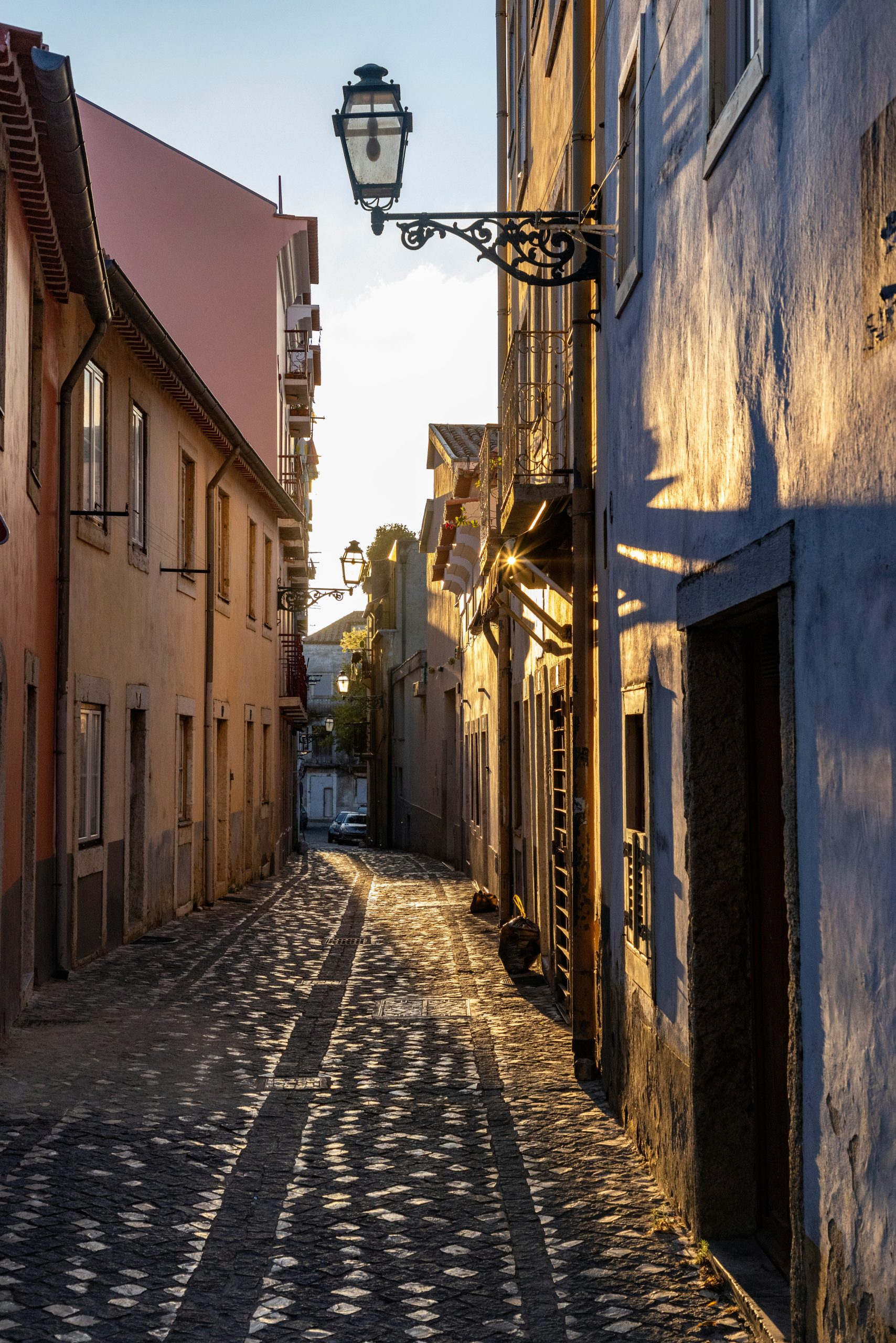
I would leave Lisbon in the morning and go first to Alcácer do Sal. I would not rush straight to Comporta. I would walk by the river, have coffee, look up toward the castle, and give the town enough time to feel like the beginning of the trip instead of a detour.
From there, I would drive toward Comporta for lunch and keep the afternoon open. If the weather is good, I would choose the beach afterward. If not, I would stay with the village, the rice fields, or the Sado side of the route. I would save Carrasqueira for late afternoon because the light matters there, but I would not go only for the photo. The place is better when you remember that it still belongs to fishing life.
The next day, I would choose one beach instead of trying to collect them. Praia da Comporta if it is someone’s first visit. Carvalhal if I want the easiest beach-and-lunch combination. Pego if I want space. Melides if I want to stretch the route farther south and make the day feel more Alentejo.
On the way back to Lisbon, I would go through Palmela or Azeitão if there is time. Wine, cheese, olive oil, or a late lunch makes the weekend feel more complete than simply driving back after the beach.
That is the version I would recommend. Not because it is the most efficient, but because it gives the region more than one dimension.
Final Thoughts

I think Comporta becomes more interesting when it is not asked to be the whole story.
The beach is beautiful, but the area around it is what makes the trip worth writing about in October. Alcácer do Sal gives you the Sado and the town. Carrasqueira gives you the fishing side. The rice fields explain the landscape before you ever reach the dunes. Palmela and Azeitão bring wine, cheese, olive oil, and the table into the weekend. Comporta still matters, but it sits inside something larger.
That is the south of Lisbon I would send someone to in October. Not because it is undiscovered, and not because it needs a new label, but because the trip gets better when you stop treating Comporta as the final answer.
Start with Alcácer. Let the river set your pace. Give the rice fields and pine woods their rightful place in your journey. Head to the beach when the mood strikes, and leave plenty of room at the table for long conversations. That, to me, is how this enchanting corner of southern Portugal is meant to be experienced.
South of Lisbon, Answered
Is October a good month to visit Comporta?
Yes, especially if you want the trip to include more than the beach. October still brings comfortable daytime temperatures in the Setúbal region, but it is also the time when rain begins to return after summer. That makes it a better month for mixing beach walks, river towns, restaurants, wine, and local events instead of planning everything around swimming.
How far is Alcácer do Sal from Lisbon?
Alcácer do Sal is about 92 kilometers from Lisbon by road, usually around one hour by car depending on traffic.
How far is Alcácer do Sal from Comporta?
Alcácer do Sal is about 30 kilometers from Comporta by road, usually around 25 to 30 minutes by car.
Why start in Alcácer do Sal instead of Comporta?
Because Alcácer gives the Comporta region more context. It has the Sado River, a historic center, castle views, local restaurants, rice fields, services, and year-round life. Starting there makes the trip feel less like a beach run and more like a fuller look at the south of Lisbon.
Which beach should I choose near Comporta?
Praia da Comporta is the classic first stop. Carvalhal is good for an easier beach-and-lunch day. Pego is better when you want more space. Melides works well if you want to continue farther south and make the day feel more Alentejo.
What October event is worth noting in Alcácer do Sal?
Feira Nova de Outubro takes place in Alcácer do Sal from October 2 to 5, 2026, with music, traditional products, popular culture, and local programming.
Do I need a car for this route?
Yes. A car makes the route much easier because the best version of the trip connects Alcácer do Sal, Comporta, Carrasqueira, Carvalhal, Pego, Melides, Palmela, and Azeitão.
It’s a feeling — a blend of river, pine woods, history, and a slower, more grounded way of life.