Portugal’s Engineered Economy
I have watched neighbourhoods change my entire adult life.
In Manhattan, I saw blocks move from overlooked to impossible. In Brooklyn, I watched old industrial buildings become lofts, cafés, studios, offices, and then, eventually, addresses that few of the people who built the neighbourhood could afford. I have seen the upside of reinvestment: safer streets, restored buildings, better services, new businesses, cultural energy, and a renewed sense that a place matters.
I have also seen the bill arrive.
The people who made a neighbourhood liveable are often the first people asked to leave it. Teachers, nurses, artists, shopkeepers, young professionals, immigrant families, and small-business owners become evidence of a place’s authenticity—and then casualties of its success.
That is why Portugal interests me so deeply. What is happening here resembles gentrification, but at a scale that Manhattan and Brooklyn never had to manage.
This is not merely one neighbourhood becoming fashionable. An entire nation is being repriced.
Portugal did not stumble into this moment
What comes after the before-and-after photos
You cannot engineer demand and leave supply to chance
What is Portugal asking that capital to build?
The whole country cannot become a luxury neighbourhood
From engineered growth to enduring prosperity
Portugal Did Not Stumble Into This Moment
Portugal is often presented as one of Europe’s recent success stories. Since 2022, its economy has outperformed the euro area average. Growth reached 2.1% in 2024, while unemployment fell to 6.4%. Public debt has also moved sharply lower, from 93.6% of GDP in 2024 to a projected 84.9% by 2027.
Those are real accomplishments. They should not be dismissed simply because the benefits are unevenly felt.
But Portugal’s transformation was not accidental. The country looked at what it had—safety, climate, geography, culture, political stability, access to the European Union, and a globally connected language—and built an economic strategy around those advantages.
European funding supported infrastructure, digitalisation, energy transition, education, public administration, and regional development. Tax and residency policies attracted international residents and capital. Tourism became a national economic engine. Immigration helped replenish a shrinking workforce. International buyers brought money into buildings and neighbourhoods that local incomes alone could not have revived.
The European Commission puts Portugal’s Recovery and Resilience Plan at €21.9 billion, including €16.3 billion in grants and €5.6 billion in loans. The plan includes 117 investment streams and 44 reforms, with substantial allocations for climate and digital priorities.
That is not passive growth. That is economic engineering.
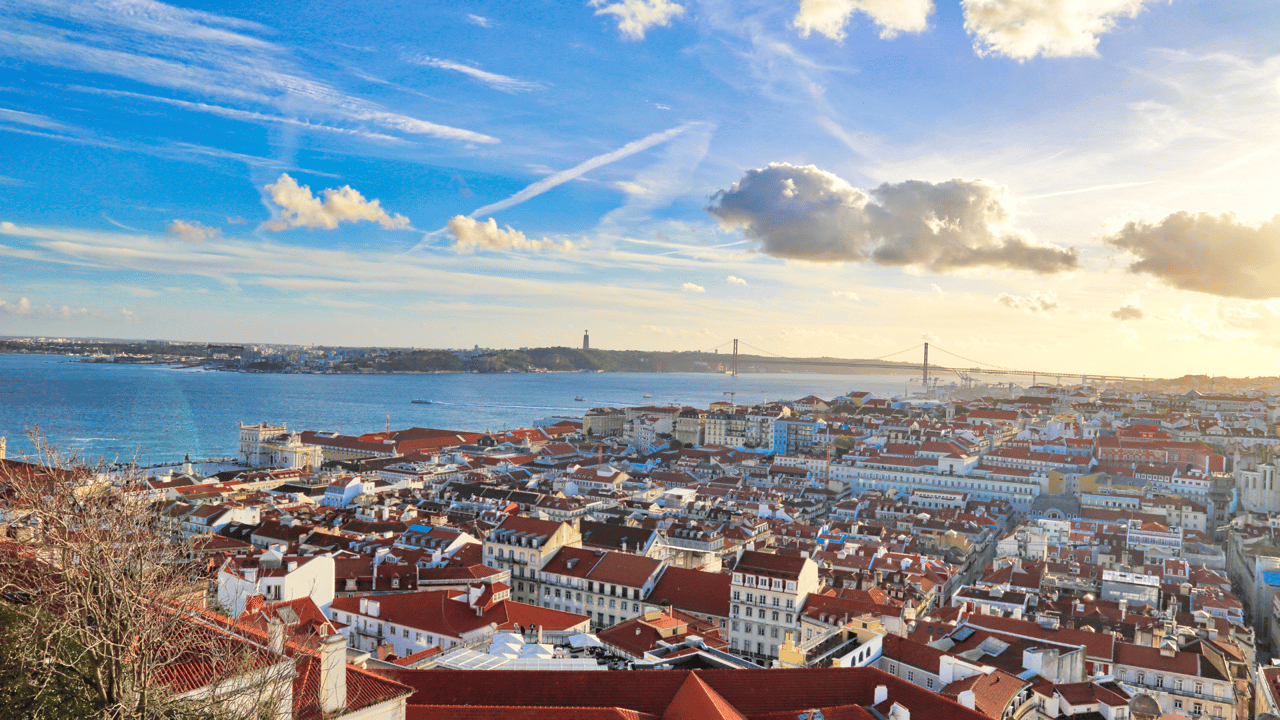
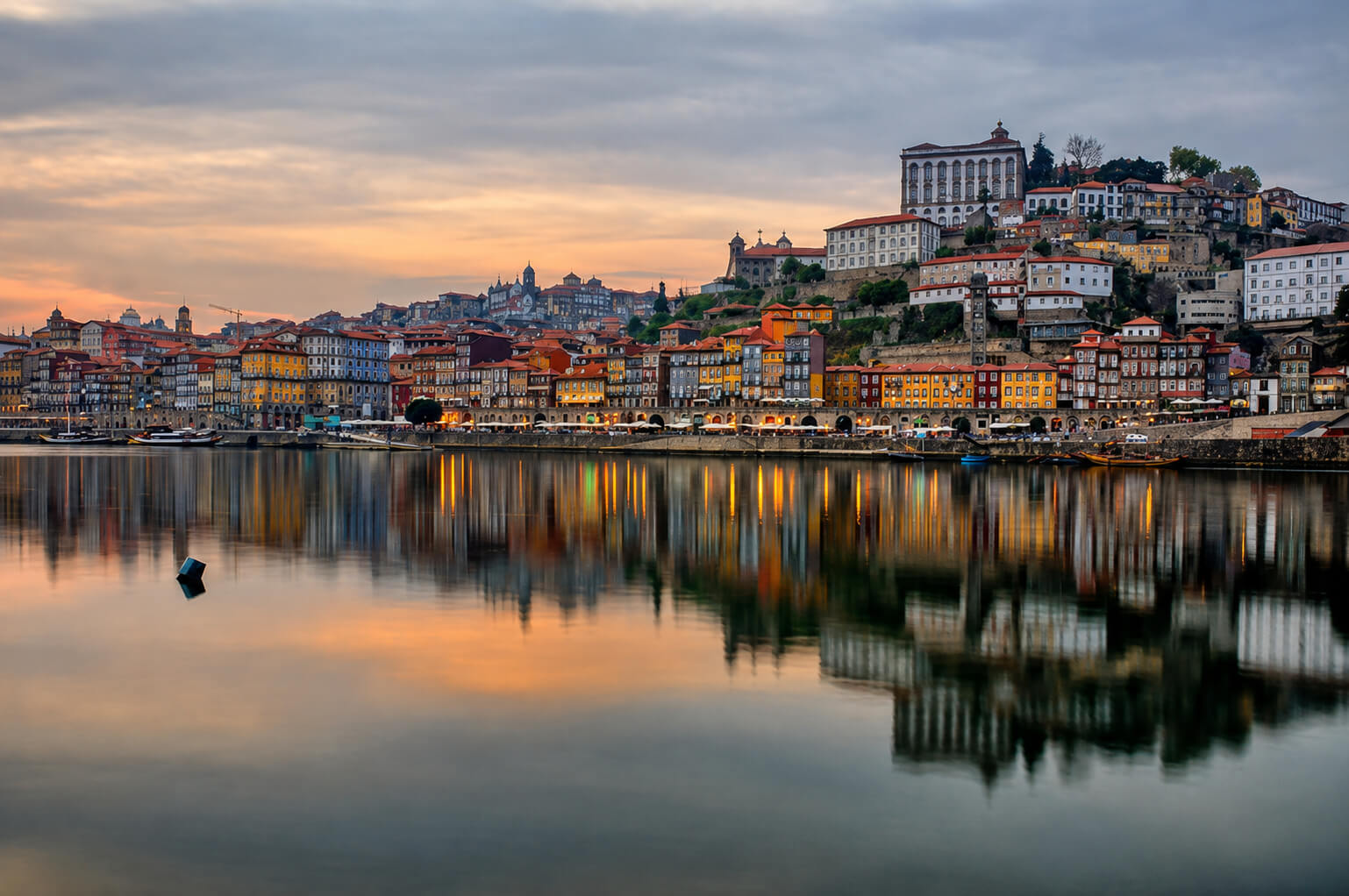
And, in many ways, it was brilliant. Portugal made itself visible to the world. Lisbon became a serious destination for entrepreneurs, remote professionals, investors, students, and international families. Porto followed. The Algarve became more than a seasonal holiday market. Places such as Comporta, the Silver Coast, Braga, and the Douro Valley entered the global conversation.
The capital arrived. The attention arrived. The restaurants, renovations, schools, services, and businesses followed.
That is exactly what happens when a neighbourhood begins to rise in New York.
I Know What Comes After the Before-and-After Photos
There is always a seductive moment in gentrification. The buildings are being restored. The streets feel safer. The vacant storefronts are filling. New cafés open. Investors talk about potential. Everyone points to the improved quality of life.
Then the underlying question becomes unavoidable: quality of life for whom?
A neighbourhood cannot be judged only by the value of its buildings. It has to be judged by whether the people who operate its daily life can still remain there.
Can the teacher afford the rent? Can the nurse get to work? Can the shopkeeper survive the new commercial lease? Can the young professional who grew up there ever move out of the family home? Can the local business hire people without losing them to a more expensive city—or to another country?
Portugal is now facing these same questions, but with an entire country in the frame. The OECD identifies labour shortages, population ageing, weak investment, productivity constraints, and rapidly rising house prices as significant challenges to Portugal’s future growth. The country can attract a technology company, but it must still retain the engineers that company needs. It can attract a high-income foreign resident, but it must also preserve a viable housing market for locally employed families.
This is where the glossy story and the lived story begin to separate.
Portugal’s housing problem is not simply a story about foreigners. That explanation is politically convenient, but incomplete. International demand has added pressure, particularly in the most desirable locations. But foreign demand did not create decades of slow permitting, limited construction capacity, weak rental-market institutions, underused housing, or low productivity in construction.
It exposed those weaknesses.
The OECD reports that Portuguese house-price growth has outpaced most euro-area and OECD countries since 2013. It also points to sluggish housing investment, regulatory obstacles, construction skill shortages, weak rental markets, and long delays in obtaining permits.
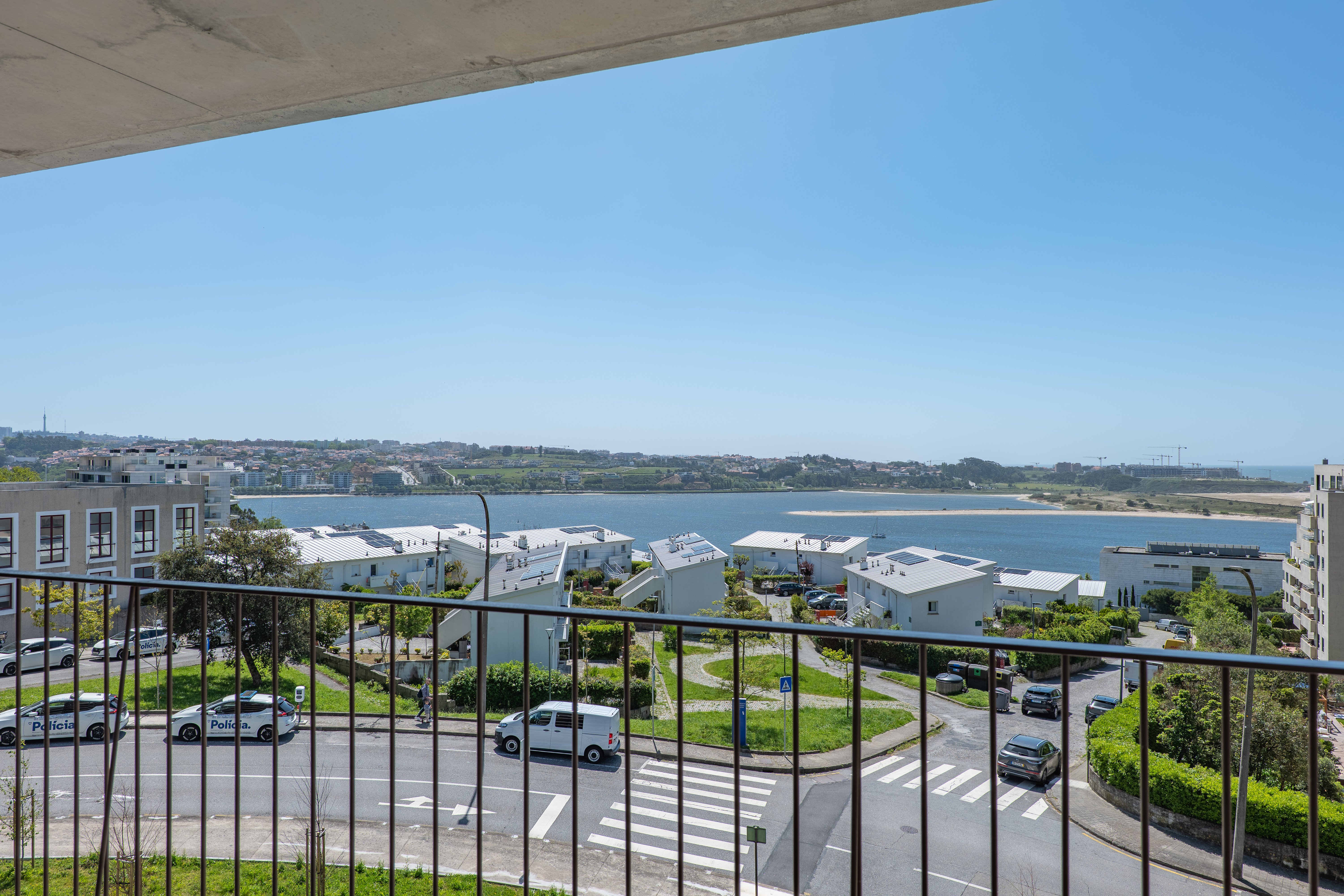
Portugal has a large housing stock, yet much of it is not being used as a primary residence. That is not merely a real-estate imbalance. It is a national infrastructure problem.
You Cannot Engineer Demand and Leave Supply to Chance
Every city that has experienced rapid gentrification eventually learns the same lesson: attracting capital is easier than building the systems required to absorb it.
Portugal invited demand. Now it has to build supply.
That means housing, transportation, schools, healthcare, childcare, energy systems, and public services that can keep pace with the population and investment the country deliberately attracted. It means faster and more predictable permitting. It means making construction economically viable without turning every new unit into a luxury product. It means developing rental markets that allow people to move for work without making a twenty-year purchase decision.
Most importantly, it means treating housing as economic infrastructure—not as a culture-war symbol and not merely as an asset class.
European funds can accelerate investment, but they cannot permanently substitute for productive domestic enterprise. Tourism can generate employment and export revenue, but it cannot independently create broad-based, high-wage prosperity. Real estate can restore buildings and create wealth, but a country cannot rely indefinitely on rising asset values while local salaries fall behind the cost of living.
Immigration can help resolve labour shortages, but only if newcomers can find housing, integrate, and see a future beyond precarious work. International capital can be transformative, but only if Portugal asks it to build something more durable than another premium apartment, short-term rental, or lifestyle development.
The question is not whether Portugal needs foreign capital. Of course it does. Small, open economies benefit enormously from investment, talent, and international networks.
The better question is: what is Portugal asking that capital to build?
What Is Portugal Asking That Capital to Build?
The European Commission requires all milestones and targets under Portugal’s recovery plan to be completed by August 2026. That deadline marks more than the end of a funding cycle. It is a test of whether the investments made during this period created an economy capable of producing its own momentum.
The Whole Country Cannot Become a Luxury Neighbourhood
As an American who has built businesses in Portugal, I understand why international families want to be here. The security, lifestyle, climate, history, and access to Europe are genuinely compelling. I also understand that foreign residents contribute far more than the purchase of a property. They spend locally, create companies, employ people, pay taxes, support schools and services, and often bring ideas and networks that would not otherwise reach Portugal.
But contribution does not erase consequence.
I also see Portuguese professionals whose salaries have not kept pace with the Portugal their country has become. I see employers searching for qualified workers while young Portuguese people leave for Paris, London, Berlin, New York, or anywhere that offers a better relationship between income and opportunity. I see business owners trying to grow inside systems where straightforward decisions can take too long and cost too much.
Both realities are true.
Portugal does not need to choose between protecting its people and welcoming the world. That is a false choice. The real challenge is to make one strengthen the other.
Did digitalisation make companies more productive, or did it simply buy new systems? Did infrastructure unlock sustainable regional growth, or did it complete isolated projects? Did international capital create productive companies and well-paid employment, or did it mostly increase the value of already-scarce assets?
The answers will differ by sector and region. But the questions are now unavoidable.
From Engineered Growth to Enduring Prosperity
Portugal has already proven that a country can reposition itself. Twenty years ago, relatively few people outside Europe were discussing Portuguese residency, Lisbon entrepreneurship, Porto as an international investment market, or Comporta as a global lifestyle destination.
Today, Portugal occupies a completely different place in the world’s imagination.
That transformation should not be condemned. It should be completed.
New York taught me that a neighbourhood is not sustainable simply because property values rise. It is sustainable when the people, institutions, businesses, and culture that give it life can participate in the value being created.
Portugal now faces the same test at national scale. The first chapter was about attracting attention, people, and capital. The next chapter must be about converting those advantages into productivity, higher wages, scalable Portuguese companies, abundant housing, and opportunity beyond Lisbon, Porto, and the Algarve.
A country can be designed. Momentum can be encouraged. Capital can be invited. But prosperity becomes sustainable only when the people living inside the economy can meaningfully participate in the value it creates.
Portugal’s Economy and Housing Market, Answered
Is Portugal’s economic growth real, or is it just EU funding?
Both are true at once. Portugal’s 2.1% growth in 2024, falling unemployment, and declining public debt are real results, but they were also deliberately engineered through a €21.9 billion Recovery and Resilience Plan, tax and residency policies aimed at international capital, and a national tourism strategy. The open question is whether that funding built lasting domestic productivity or mainly increased the value of already-scarce assets.
Are foreign buyers responsible for Portugal’s housing crisis?
Not on their own. International demand has added real pressure in the most desirable locations, but the OECD points to decades of slow permitting, limited construction capacity, weak rental-market institutions, and underused housing as the underlying causes. Foreign demand exposed those weaknesses rather than creating them.
Why are so many homes in Portugal vacant or used as holiday homes?
As of 2021, 12% of Portugal’s dwellings stood vacant and 19% were used as holiday homes rather than primary residences — among the highest shares in the OECD. That means a large share of the housing stock isn’t available to the local workforce even though the country has a large overall supply of homes.
What is Portugal’s Recovery and Resilience Plan?
It is a €21.9 billion European Commission-backed plan for Portugal, made up of €16.3 billion in grants and €5.6 billion in loans across 117 investment streams and 44 reforms, covering infrastructure, digitalisation, energy transition, education, and public administration. All milestones and targets are required to be completed by August 2026.
How does Atrium help clients navigate Portugal’s changing market?
Atrium is a relocation partner, not a transaction-only brokerage — the team is made up of expats guiding other expats through property acquisition, investment strategy, and relocation logistics, including Golden Visa, D7, D8, and D2 pathways through Atrium Global Visa. Consultations are always free.
Rua do Almada 577, Cedofeita, Porto
Weighing a move yourself?
Golden Visa, D7, D8, and D2 pathways, paired with real property guidance. Consultations are always free.
Make sure your move is built on the next chapter, not just the last one
We help clients read this market the way we just read it for you — where the momentum is real, where it’s fragile, and where a home actually holds its value for the long run. Our consultations are always free.