Portugal’s Visa Process
Is Changing in 2026
Portugal is still one of the most appealing places in Europe to build a new life.
The pull is easy to understand: slower mornings, coastal weekends, walkable cities, strong food culture, a sense of safety, and the possibility of building a daily routine that feels more grounded than the one many people are leaving behind.
But the path to Portugal is not something future residents should treat casually.
For years, many people approached the Portugal visa process as if it were a simple sequence: choose the visa, gather the documents, attend the appointment, receive approval, arrive in Portugal, and figure out the rest from there. That structure still exists in some form, but the reality has become more layered. AIMA is continuing to modernize parts of the residence process, digital documents are becoming more relevant, renewals are moving through online channels in certain cases, and Portugal’s nationality rules have shifted in ways that make long-term planning more important than before.
This does not mean Portugal is closed. It does not mean the dream is over. It means the process needs to be approached with more care.
At Atrium Global Visa, we see this with clients constantly. At the beginning, moving to Portugal may still feel like an idea. It may look like a better pace of life, more balance, retirement near the coast, a safer environment for family, the chance to work remotely from Europe, or simply the feeling that it is time for something different.
Once the visa process begins, that idea has to become organized. Income needs to be documented. Housing starts to matter. Family logistics become part of the timeline. Banking, NIF setup, pets, schools, healthcare, and future property plans begin to connect.
That is where the move starts becoming real. It is also the point most people stop trying to work it out alone.
Four Pathways We Advise On
Atrium Global Visa advises on all four. If you are not sure which one fits your income, your family or your timing, that is exactly what our free consultations are for.
Golden Visa
Residency through investment. Usually a conversation about family planning, optionality and long-term strategy as much as capital.
D7 Visa
For pensions, dividends and passive income. Think through proof of means, housing, and the shape of long-term residence.
D8 Visa
For remote workers and freelancers. Connects income documentation and timing with the practical reality of working for clients abroad.
D2 Visa
For founders and independent providers. The business itself, the viability of the plan, and how Portugal fits the next chapter.
In This Article
Visa vs. Residence Permit
They are not the same document — and the visa is only the bridge.
AIMA, Digital but Not Automatic
The Renewal Portal is open. It does not remove the need for preparation.
Which Visa Do You Need?
D7, D8, D2 or Golden Visa — each one reshapes the rest of the move.
The Waiting Period, and After
How to use the wait — and why citizenship now takes seven or ten years.
The Preparation List
What to handle before you apply, during the wait, and after you arrive.
FAQ
Quick answers on visas, timelines and citizenship.
A Portugal residence visa is not a residence permit
Entry to Portuguese territory in order to request a residence permit — valid for two entries, with a four-month stay.
One of the most important things future residents need to understand is that a residence visa is not the same as a residence permit.
The visa is the bridge. It allows someone to enter Portugal and continue the process from inside the country. Portugal’s legal framework states that a residence visa allows the holder to enter Portuguese territory to request a residence permit; it is valid for two entries and allows a four-month stay.
That distinction matters because many people treat visa approval as the final destination. In reality, it is the beginning of the next stage.
After arrival, the residence permit still needs to be handled. AIMA’s general residence-permit guidance includes requirements such as a valid passport, valid residence visa, proof of means of subsistence, and a sworn declaration of the applicant’s residence address, including the basis for living there — owner, tenant, subtenant, borrower, or another arrangement.
This is where housing and visa planning begin to overlap.
Your first address in Portugal may not be your forever home, but it still matters. It may affect documentation, timing, daily routine, school planning, transportation, comfort, and whether renting before buying makes sense. A rental chosen in a rush can create pressure later. A property chosen only because it looks good online may not support the actual first chapter of the move.
We take clients through both stages — the visa application and the residence permit that follows — and we look at the first address as part of the visa plan rather than as a separate problem to solve later. Our consultations cost nothing, at any stage. Book a free consultation →
AIMA is going digital, but the process is not automatic
Portugal is moving parts of the immigration and residence process toward more digital systems, but that does not mean everything has become instant, simple, or fully online.
AIMA has published guidance on the use of legally valid digital documents and qualified electronic signatures where admissible, encouraging digital submission where possible to support faster and more efficient processing. AIMA has also expanded its Renewal Portal, which is available for certain residence permits expired or expiring from July 1, 2025 through October 31, 2026, as well as certain ARI/Golden Visa permits and permanent residence documents for EU nationals and family members. If biometrics are needed, AIMA states that the appointment is for biometric collection while the rest of the renewal process remains digital.
This is progress, but progress does not remove the need for preparation.
Digital systems still require correct documents, proper timing, and a clear understanding of which steps apply to a specific situation. A remote worker, retiree, entrepreneur, investor, family member, or renewal applicant may not be dealing with the same process in the same order.
That is why old advice can become a problem. A forum post, a social media comment, or a story from someone who moved several years ago may no longer reflect the current reality. The more the system changes, the more important it becomes to build the move around current information.
Tracking what AIMA has actually changed is part of our job, not yours. We work from the current rules for your specific pathway, so nothing in your application rests on advice that was accurate two years ago. Book a free consultation →
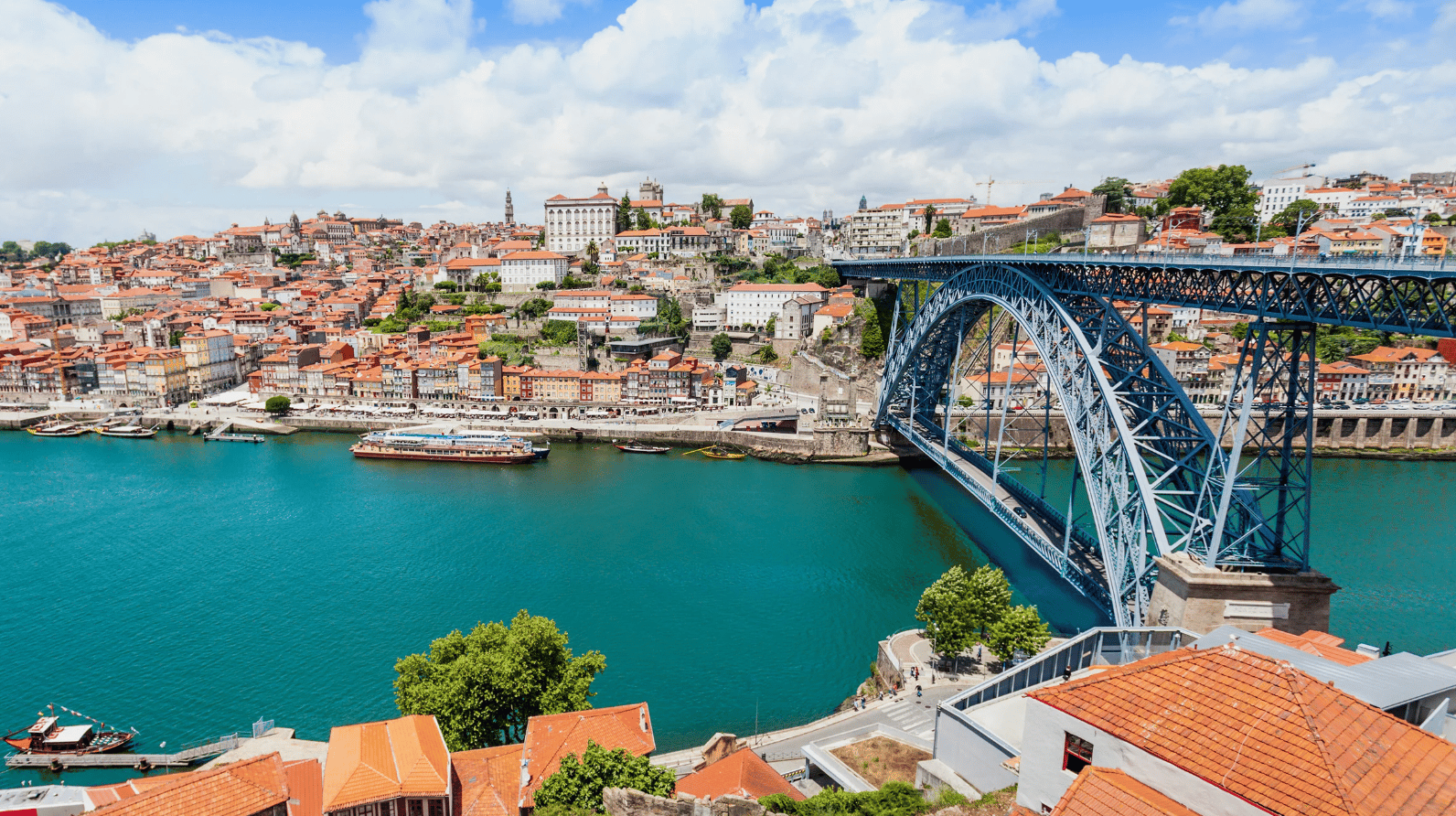
Open to certain residence permits expired or expiring from 1 July 2025 through 31 October 2026, plus certain ARI/Golden Visa permits and permanent residence documents for EU nationals and family members.
Which Portugal visa do you need? The answer shapes the whole move
Many clients begin with one question: which visa do I need? That is the right place to start, but it is rarely where the conversation ends.
A D7 applicant may need to think through passive income, housing, proof of means, and long-term residence. A D8 applicant may need to connect remote work, income documentation, timing, and the practical realities of living in Portugal while working for clients or employers abroad. A D2 applicant may need to think about the business itself, the viability of the plan, and how Portugal fits into that next chapter. Golden Visa clients may be thinking about investment, family planning, optionality, and long-term strategy.
Each pathway has its own logic. None of them exist in isolation.
Putting the process in order is the service. We map which decisions belong before the application, which can wait for the approval, and which are better made after you land — so you are never solving all of it at once. Book a free consultation →
The visa stage naturally starts to reveal the rest of the move: where you may live first, whether renting before buying makes sense, how banking will be handled, whether children need schools, whether pets are coming, what needs to happen before arrival, and what can wait until after you are here.
This is where people can start to feel overwhelmed — not because they are unprepared, but because the move is no longer abstract. It is no longer just “Portugal someday.” It is Portugal with documents, dates, addresses, decisions, and consequences.
The answer is not to solve everything at once. The answer is to put the process in order.
Good planning does not mean forcing every answer immediately. It means knowing which answer matters next.
Before You Sign Anything
Rent first, or buy quickly?
Renting buys time to learn a place. Buying early saves a move. The right answer depends on how certain you already are about the region.
What routine does the area support?
A neighbourhood is a set of daily distances: the school run, the supermarket, the beach, the airport, the office you may or may not need.
Does it work in winter?
Plenty of Portuguese towns are a different place in February. If you only ever visit in summer, you have only met half of it.
Is the search on the visa timeline?
Property conversations and visa conversations often happen separately, then collide. Running them together removes most of the pressure.
Who else is moving with you?
Schools, pets, healthcare and family logistics all attach to the address long before they attach to the paperwork.
What does the declaration need?
The residence-permit stage asks for a sworn declaration of address and the basis for living there. The arrangement matters, not just the postcode.
How to use the visa waiting period to prepare your move
There is an emotional side to this process that rarely gets written down: the uncertainty, the second-guessing, and the particular fatigue of building a future from a distance. That is real. Waiting can feel heavier than expected when the next step is outside your control.
But waiting does not have to become empty time. Used well, it can become the period where the move gets stronger.
This is when future residents can begin narrowing their first location, understanding whether renting before buying makes sense, preparing for NIF and banking needs, reviewing school options, thinking through pet relocation, comparing neighborhoods, and deciding what the first few months should look like.
It is also the time to understand Portugal beyond the visa itself. Where will the first address be? What kind of routine does that area support? Is the goal to rent temporarily, buy quickly, or test the country before committing? Does the chosen region work in winter as well as summer? Is the property search connected to the visa timeline, or are those conversations happening separately?
The waiting period feels different when it has a purpose. It becomes less about refreshing an inbox and more about preparing to land well.
This is the stretch where we are most useful. While the application sits with the authorities we work on NIF and banking, schools, pets, neighbourhoods and the rent-or-buy question, so the waiting time is doing something. Book a free consultation →
Portuguese citizenship now takes seven or ten years
For some people, Portugal is about lifestyle, retirement, family, work, or investment. For others, the long-term goal may also include citizenship.
That conversation now requires a longer view.
Portugal’s updated nationality rules entered into force on May 19, 2026, and the Ministry of Justice stated that the new provisions apply only to applications submitted after that date. The changes strengthened naturalization requirements and adjusted the residence period for naturalization to seven years for citizens of Portuguese-speaking countries or EU Member States, and ten years for nationals of other countries.
This is a major reason future residents should think beyond approval. A visa may be the first step, but the long-term path can be affected by residence timelines, renewals, documentation, absences, family plans, and whether citizenship is part of the larger goal.
Not every client needs to plan for citizenship from day one, but those who care about long-term residency and nationality should understand that the timeline and requirements matter.
The question is not only how to get to Portugal. It is how to build a path that still makes sense years later.
The new provisions apply only to applications submitted after that date. The residence period for naturalization is now seven years for citizens of Portuguese-speaking countries or EU Member States, and ten years for nationals of other countries.
Residence timelines, renewals, documentation and absences all start to carry weight from the first year — not only at the point of application.
If citizenship is part of your long-term goal, we plan the residency around it from the beginning — timelines, renewals, absences and family plans — rather than discovering the requirements seven years in. Book a free consultation →
The Preparation List
This is not a list of things to go and do alone. Atrium Global Visa provides every service on it — before the application, through the waiting period, after you arrive, and beyond Portugal if that is where the conversation goes. Consultations are always free, and anything with a section in this article links back to it.
Where the Two Sides Meet
The legal path into Portugal
We help clients understand which residency pathway fits their situation, how documents should be organized, how timing affects the move, and how the visa stage connects to housing, family needs and long-term planning. Our consultations are always free.
The place that path leads to
The real estate conversation turns that path into a place to live, a neighborhood to test, and eventually, for many clients, a more permanent property decision. The move becomes stronger when both conversations happen together.
The real goal is a life that works
Portugal continues to attract people because the life here still speaks to something real. The pace, the coast, the cities, the safety, the food, the community, and the possibility of building a different daily rhythm remain powerful reasons to come.
But the dream works better when the plan underneath it is strong.
The Portugal visa process is no longer something to figure out casually as you go. It is still possible, still worthwhile, and still one of the most meaningful ways people begin a new life in Europe. But it deserves structure.
The documents matter. The timeline matters. The first address matters. The long-term plan matters. And when those pieces are organized properly, Portugal stops feeling like a distant idea and starts becoming something much better.
Frequently Asked Questions
What is the difference between a Portugal residence visa and a residence permit?
They are not the same document. The residence visa is the bridge: it allows entry to Portuguese territory to request a residence permit, and is valid for two entries with a four-month stay. The residence permit is handled after arrival, and requires a valid passport, valid residence visa, proof of means of subsistence, and a sworn declaration of address.
Is Portugal's AIMA residency process fully digital now?
Partly. AIMA has expanded its Renewal Portal, open to certain residence permits expired or expiring from July 1, 2025 through October 31, 2026, plus certain ARI/Golden Visa permits and permanent residence documents for EU nationals and family members. Where biometrics are needed, the appointment is only for biometric collection — the rest of the renewal stays digital. Going digital has not removed the need for correct documents and proper timing.
Which Portugal visa do I need — D7, D8, D2 or Golden Visa?
It depends on your income and goals. D7 generally fits pensions, dividends and passive income. D8 fits remote workers and freelancers. D2 fits founders and independent providers building a business in Portugal. Golden Visa fits residency through investment, usually alongside family planning and long-term strategy. Each pathway reshapes the rest of the move, so the right one depends on income type, work situation and timing.
How long is the wait for a Portugal residence visa, and what should I do during it?
Wait times vary by pathway and are outside an applicant's control, but the waiting period does not have to be empty time. It can be used to narrow the first location, decide whether renting before buying makes sense, prepare NIF and banking needs, review school options, and think through pet relocation — so the move is further along by the time approval arrives.
How long does it take to get Portuguese citizenship in 2026?
Portugal's updated nationality rules entered into force on May 19, 2026, and apply only to applications submitted after that date. The residence period for naturalization is now seven years for citizens of Portuguese-speaking countries or EU Member States, and ten years for nationals of other countries. Residence timelines, renewals, documentation and absences all carry weight from the first year, not only at the point of application.
Should I rent or buy before my Portugal visa is approved?
There is no single right answer — it depends on how certain you already are about the region. Renting buys time to learn a place; buying early saves a move but assumes more certainty. It also helps to run the property search on the same timeline as the visa process, rather than as two conversations that collide later.
Put the process in order before it puts pressure on you
Guiding you through every step of your Portugal residency journey — with clarity, strategy, and exceptional care. Our consultations are always free, and a conversation is a better starting point than a checklist.