The Portugal You Learn by Living Here

In almost every international move, there comes a point when a country stops being an abstract idea and starts becoming the place where your actual life has to function.
In Portugal, that moment rarely coincides with receiving your residence card, signing a lease, or unpacking the last box. It arrives far more quietly — usually when you realize that your focus has shifted away from what brought you here in the first place. Suddenly, you are thinking about finding a trusted dentist, which local butcher has the right cut of meat, whether the condominium board approved a building repair, what the message from your child’s school actually meant, why the electricity contract is still under the former owner’s name, and whether your Portuguese is strong enough to handle all of this without asking someone else to step in.
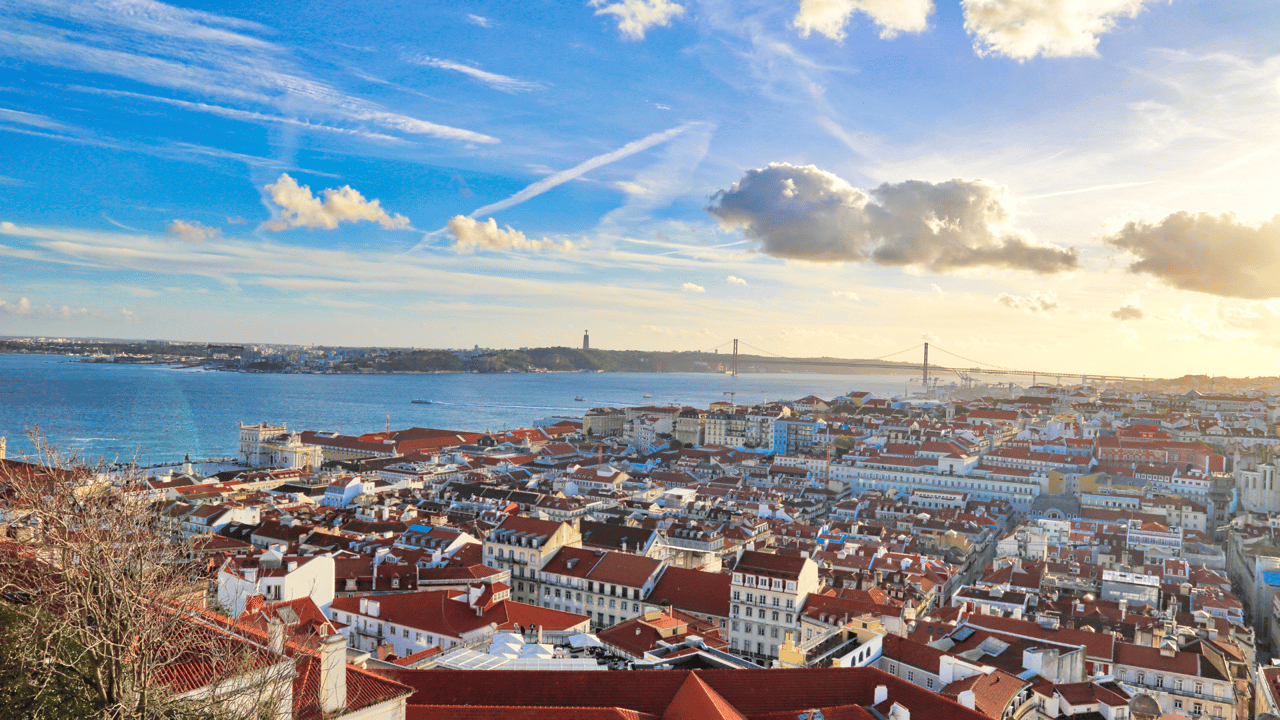
That is the Portugal I wanted to write about: not Portugal as a postcard destination, and certainly not the glossy, highly polished version marketed abroad. I mean the country as residents experience it — where the scenery remains wonderful, but exists alongside daily obligations, routines, paperwork, local expectations, and the steady process of figuring out how things really work.
The longer you live here, the less interested you become in asking whether Portugal is “better” or “worse” than wherever you came from. You become more interested in understanding it on its own terms, and that is when life here becomes much more interesting.
In This Article
Portugal Becomes Real When Your Life Depends on It
The Bairro Is Infrastructure, Not Scenery
Portuguese Changes the Kind of Life You Can Have
Belonging Takes Longer Than Arriving
You Learn the System Instead of Comparing It
Living Here Changes What You Look for in Property
The Private and Public Parts of Life Sit Closer Together
Being a Resident Means Participating
The Home You Want After Living Here Is Often Different
We Start With the Life, Not the Listing
To Close
Frequently Asked Questions
Portugal Becomes Real When Your Life Depends on It
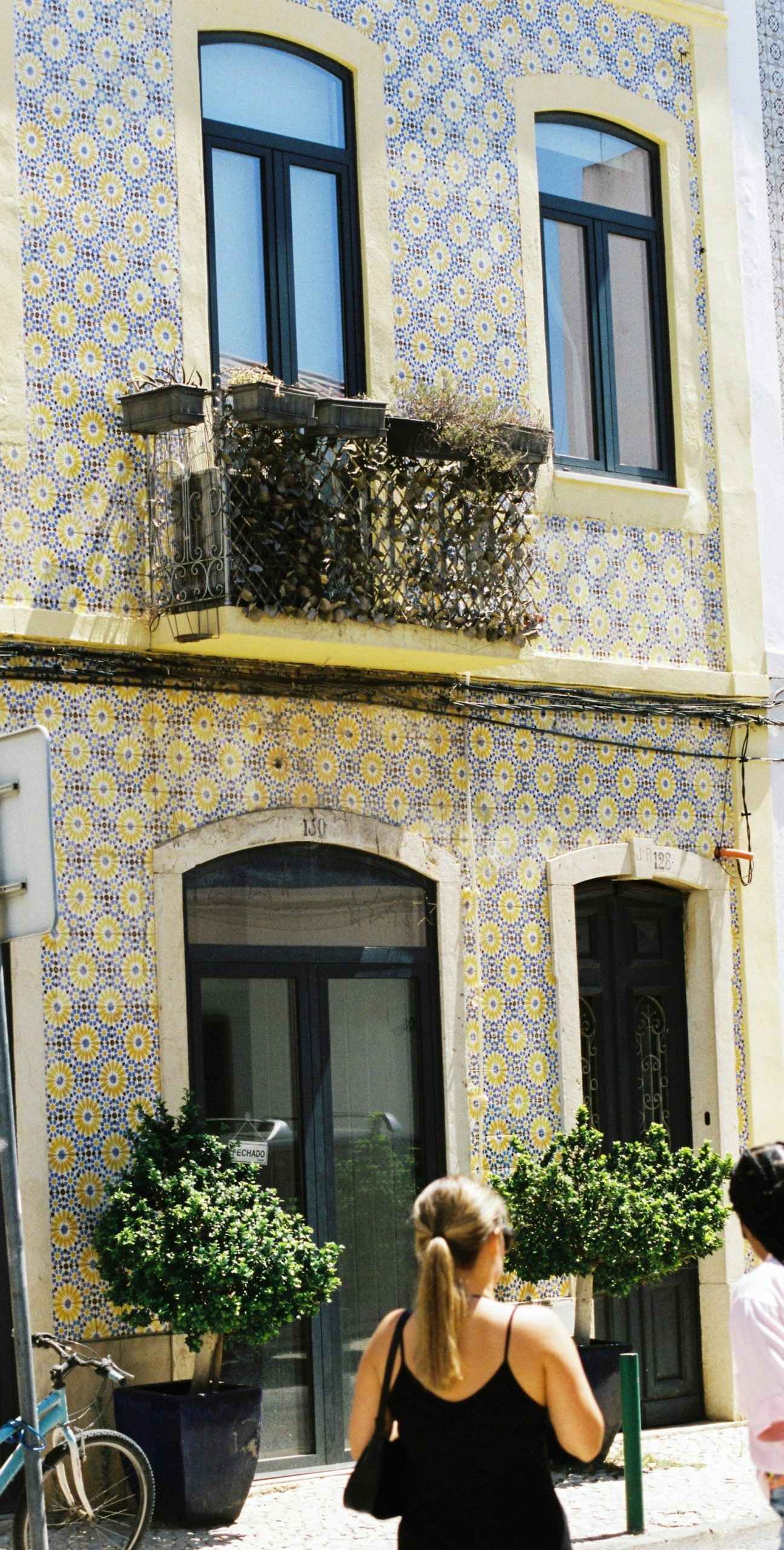
One of the curious things about moving abroad is how long you can remain half a visitor without realizing it. During the first months, almost everything is new enough to be interesting, and even the irritating things become stories you tell people back home. You are learning the streets, figuring out where to shop, discovering which Portuguese words you actually need, working out the healthcare system, opening accounts, signing contracts, and trying to understand why one document apparently requires another document that nobody mentioned the first time.
Eventually the novelty disappears, which is not a bad thing; it simply means your life has started. You stop thinking of the pharmacy as part of “life in Portugal” because you are just going to pick up a prescription. You stop noticing that the café is Portuguese because it is simply where you meet someone before an appointment. You know which road backs up in the morning, which grocery store is unbearable on Saturday afternoon, and which person to call when something breaks in the house.
This distinction is often missed in standard relocation advice. Living in Portugal is not a non-stop sequence of quaint local experiences. It means managing the same baseline responsibilities you had anywhere else, but learning to navigate them through another country’s systems and culture.
Some parts are easier, while some take considerably more patience. Some will never work exactly the way you think they should, and at a certain point you understand that this is not a temporary inconvenience waiting for Portugal to become more like home. This is home now, and you are the one learning how it works.
The Bairro Is Infrastructure, Not Scenery
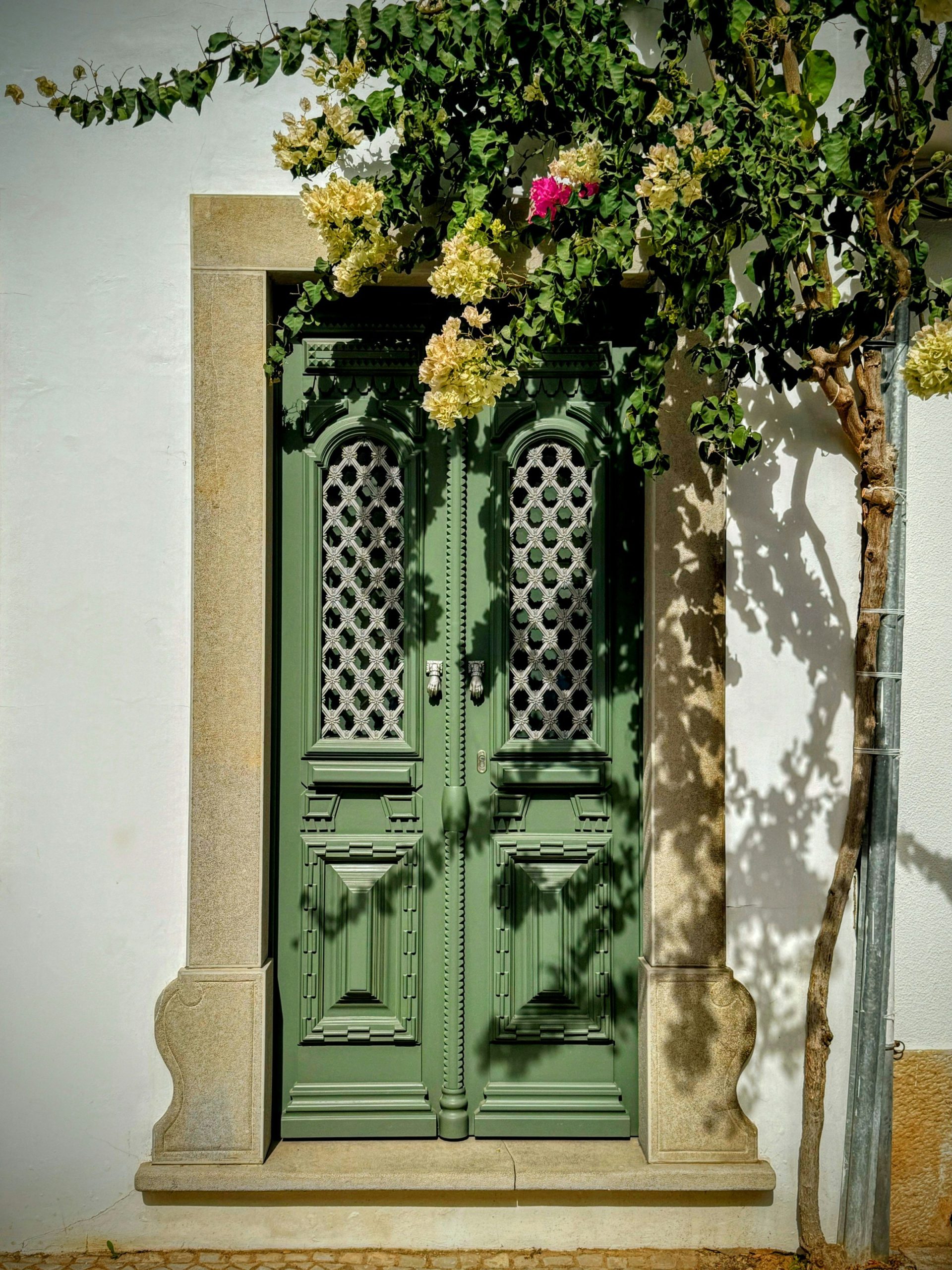
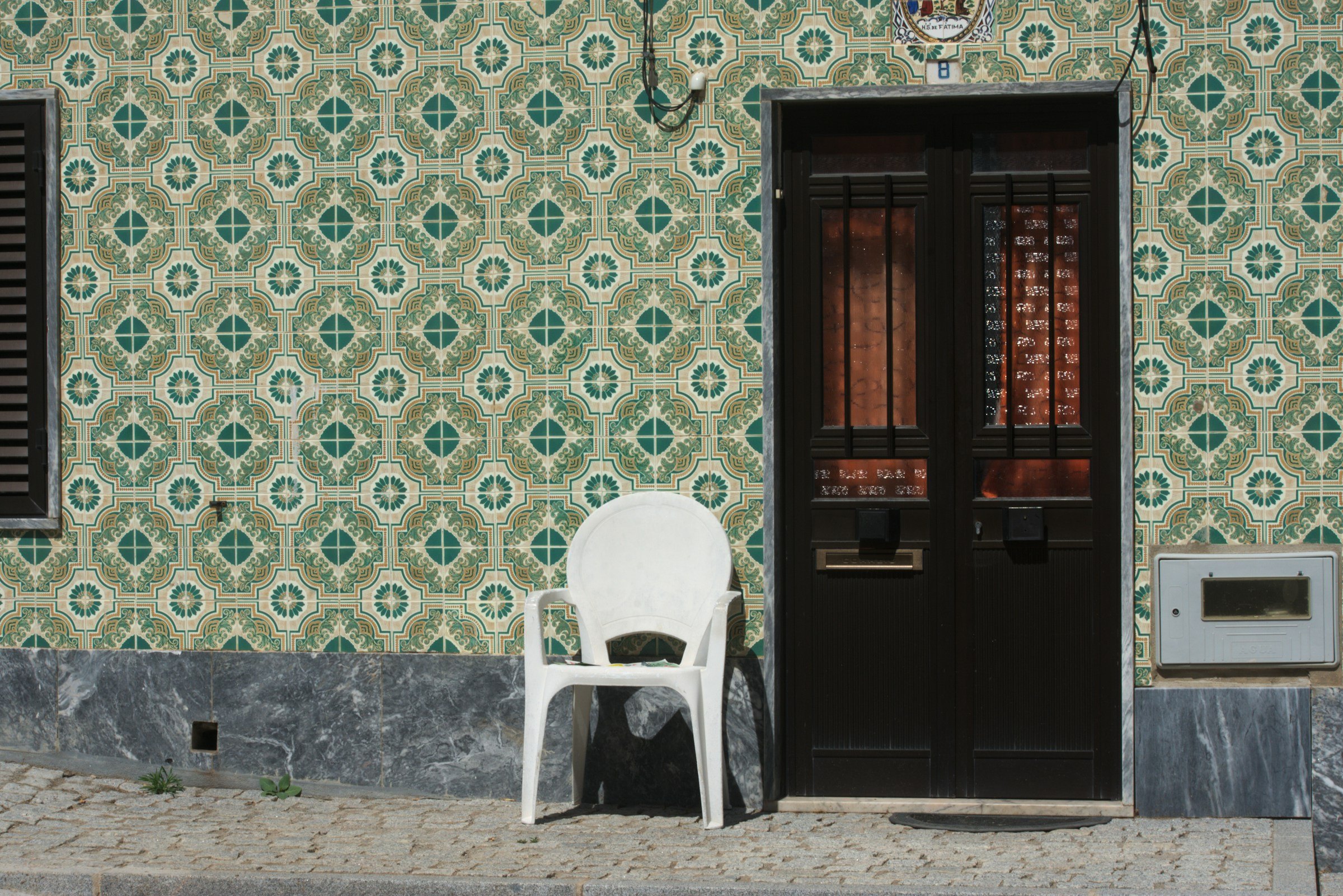
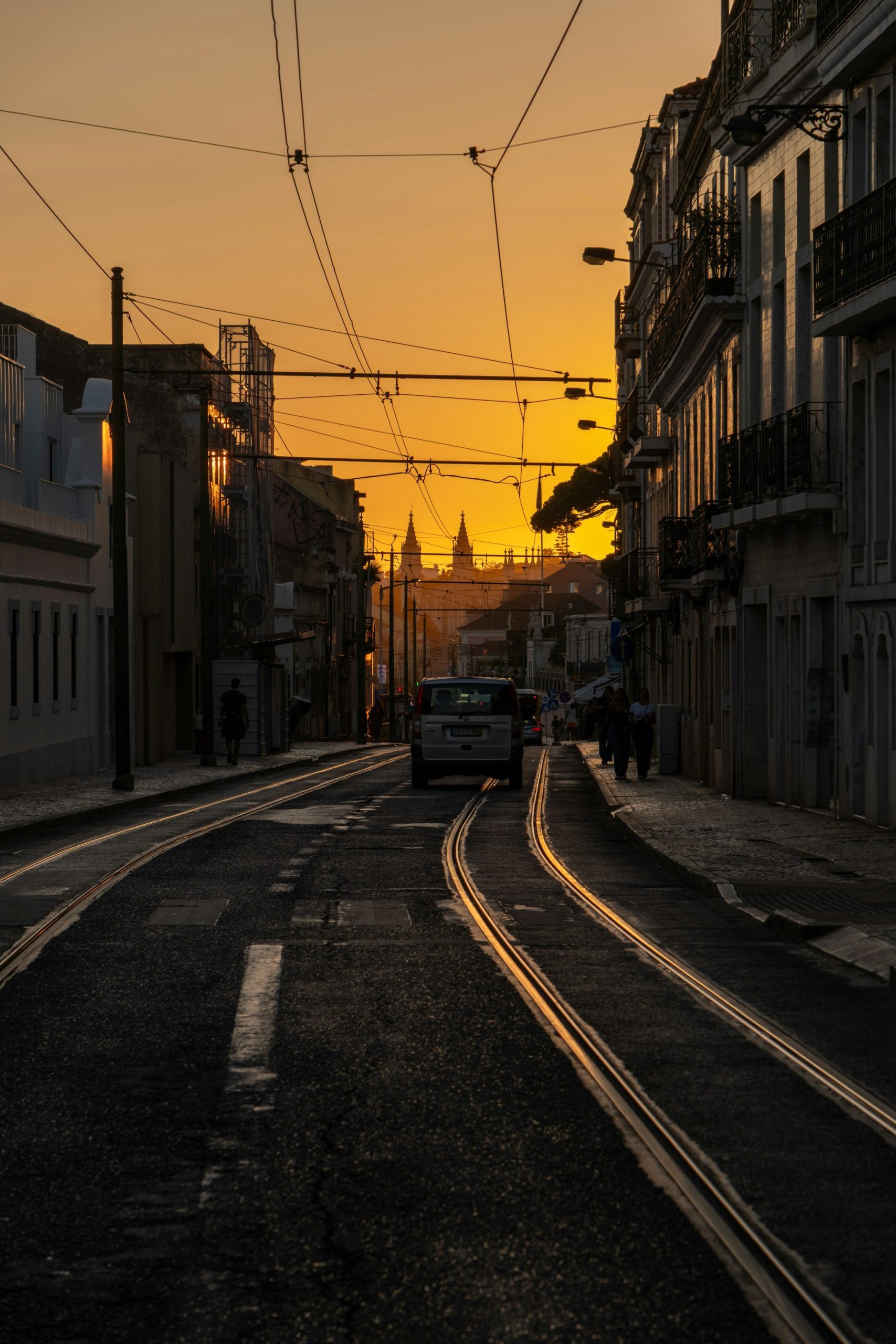
Before people live in Portugal, they tend to think about neighborhoods aesthetically. They notice the architecture, the trees, the proximity to the water, whether there are restaurants nearby, and whether the street looks like somewhere they can imagine themselves living. Residents, however, eventually notice an entirely different set of things.
You learn which café opens early enough to matter. You know where the nearest pharmacy is and whether it closes for lunch. You know which small grocery shop has the things you forgot to buy at the supermarket. You know where to get keys copied, where the dry cleaner is, which mechanic someone recommended, and where your local Junta de Freguesia is when you eventually need something from it.
Portugal’s freguesias are not simply names used to describe areas on property listings. They are part of the country’s local-government structure, with their own elected bodies and responsibilities connected to the populations they serve. There are more than 3,200 freguesias across the country, and once you live here, that very local layer of administration and community starts making more sense.
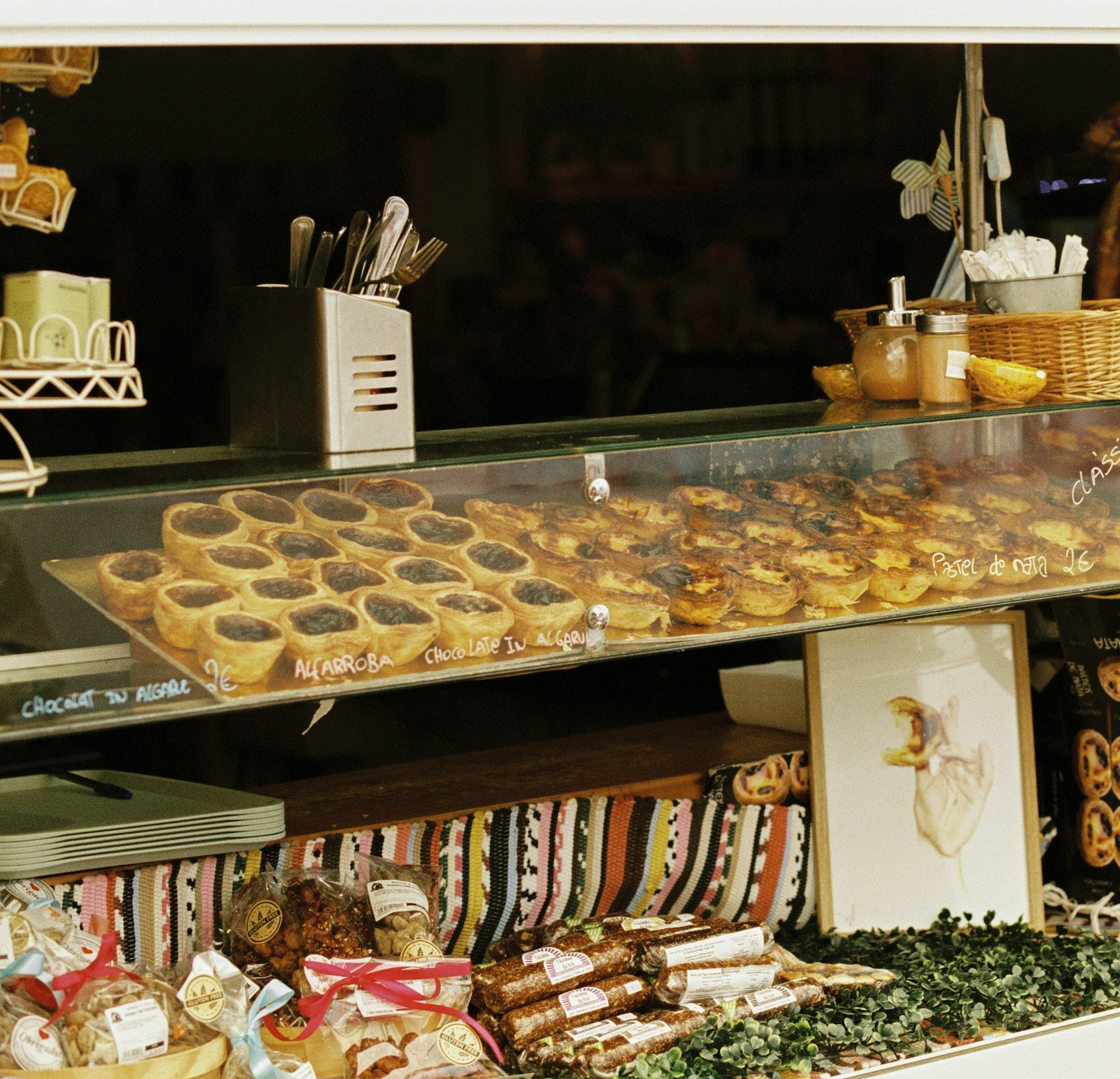
The same thing happens socially. The café or pastelaria is not interesting because drinking espresso at a counter feels “authentically Portuguese.” It is useful because it is part of the practical infrastructure of the neighborhood.
Portugal’s tourism authority describes breakfast at the local café or pastry shop as a common part of Portuguese daily life, with lunch generally taking place between noon and 2:30 p.m. and dinner later in the evening. Those details seem trivial until your own appointments, errands, meals, school schedules, and social plans begin operating around them.
You stop observing local life and start organizing your own life inside it.
Portuguese Changes the Kind of Life You Can Have
One of the easiest mistakes for English-speaking newcomers to make is confusing the ability to function in English with the ability to fully live in English; they are simply not the same thing. Portugal makes the first part remarkably easy in many places. You can find lawyers, doctors, real estate agents, bankers, restaurant staff, and service providers who speak excellent English, particularly around Lisbon, Cascais, Porto, the Algarve, and other areas with large international populations.
For a while, that can make Portuguese feel optional, but then life becomes more complicated. You need to speak to the condominium manager about a leak, a tradesman calls about a repair, or you need to explain something properly at the pharmacy. You receive a letter that matters, someone from your child’s school starts a conversation, your neighbor wants to tell you something about the building, or you move outside one of the larger international areas and discover that nobody has any particular reason to switch languages for you.
AIMA itself points out that learning Portuguese and understanding local culture are central to a newcomer’s social, professional, and civic integration. That framing matters: language is not just about finishing a transaction, but about expanding the kind of relationship you can have with the place you live.
There is an enormous difference between knowing enough Portuguese to order lunch and knowing enough to understand a joke, disagree with someone, solve a problem, make an appointment, or have a spontaneous conversation without mentally rehearsing every sentence first. Nobody needs to arrive fluent — most people will not — but what matters is understanding that English can make Portugal accessible, while Portuguese makes much more of Portugal available to you.
Belonging Takes Longer Than Arriving
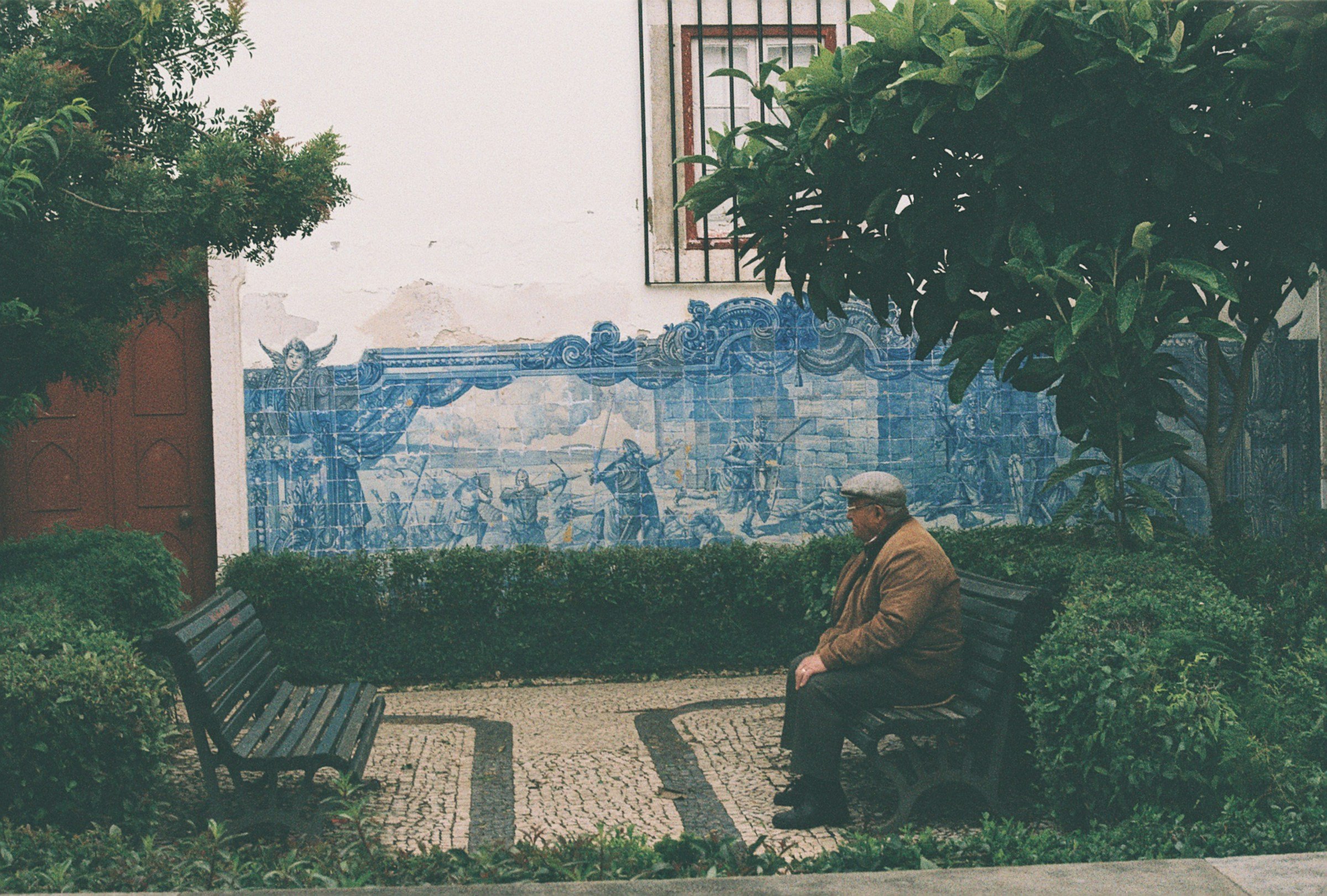
International residents sometimes arrive expecting Portuguese social life to work the way international social life works. Expat communities form quickly because everyone has an obvious reason to meet: someone is new, someone needs a recommendation, somebody has just moved from the same city, or everyone is trying to navigate the same immigration problem. Friendships can form very quickly because people are actively looking for one another.
Local relationships often develop differently. Repeated contact matters. Familiarity matters. Being introduced by someone matters. Showing up again matters. You can live beside someone for months before the relationship changes from polite greetings to actual conversation, and then one day you realize that you have crossed into a completely different level of familiarity.
This can sometimes trip up newcomers because warmth and deep friendship are not identical here. Portuguese people are exceptionally welcoming and helpful, but they may not immediately invite a new acquaintance into the most personal spheres of their lives.
Family relationships also occupy a great deal of social space. Weekend lunches, grandparents, cousins, family obligations, and long-established groups of friends can mean that Portuguese adults are not always actively searching for new social circles in the way recently arrived international residents are. That does not make local friendships inaccessible. It means they are often built through consistency instead of networking. You learn the difference between being welcomed somewhere and becoming part of it.
You Learn the System Instead of Comparing It
An important shift happens once you’ve been here long enough: you come to understand that explaining how a process works back in London, New York, California, or Toronto does nothing to change how it works in Portugal. This sounds obvious until you find yourself in the middle of a repair, a government process, a banking issue, or a contract change that seems unnecessarily complicated.
Portugal can be procedural. Some systems remain surprisingly dependent on paperwork, appointments, formal steps, and the exact person handling a particular situation. At the same time, other parts of life can be unexpectedly informal. A tradesperson may arrange everything by WhatsApp. Your insurance broker may solve something with a message. A local office may be enormously helpful because you went in, explained the problem, and spoke to an actual human being.
Online discussions among long-term foreign residents repeatedly return to this contradiction. People complain about bureaucracy, unclear processes, slow repairs, and rules they did not understand until they encountered them. The same communities also contain stories of local officials, neighbors, pharmacists, mechanics, and service providers going well beyond what someone expected to help solve a problem.
Both versions can be true. Life becomes considerably easier when you stop measuring every system against the standards you brought with you and simply focus on learning how it operates. Sometimes you need an appointment. Sometimes you need a form. Sometimes you need the person who knows the person. Sometimes you need to follow up three times. The goal isn’t to pretend any of this is charming.
Living Here Changes What You Look for in Property
Real estate is one of the clearest places where the difference between visiting Portugal and living in Portugal becomes obvious.
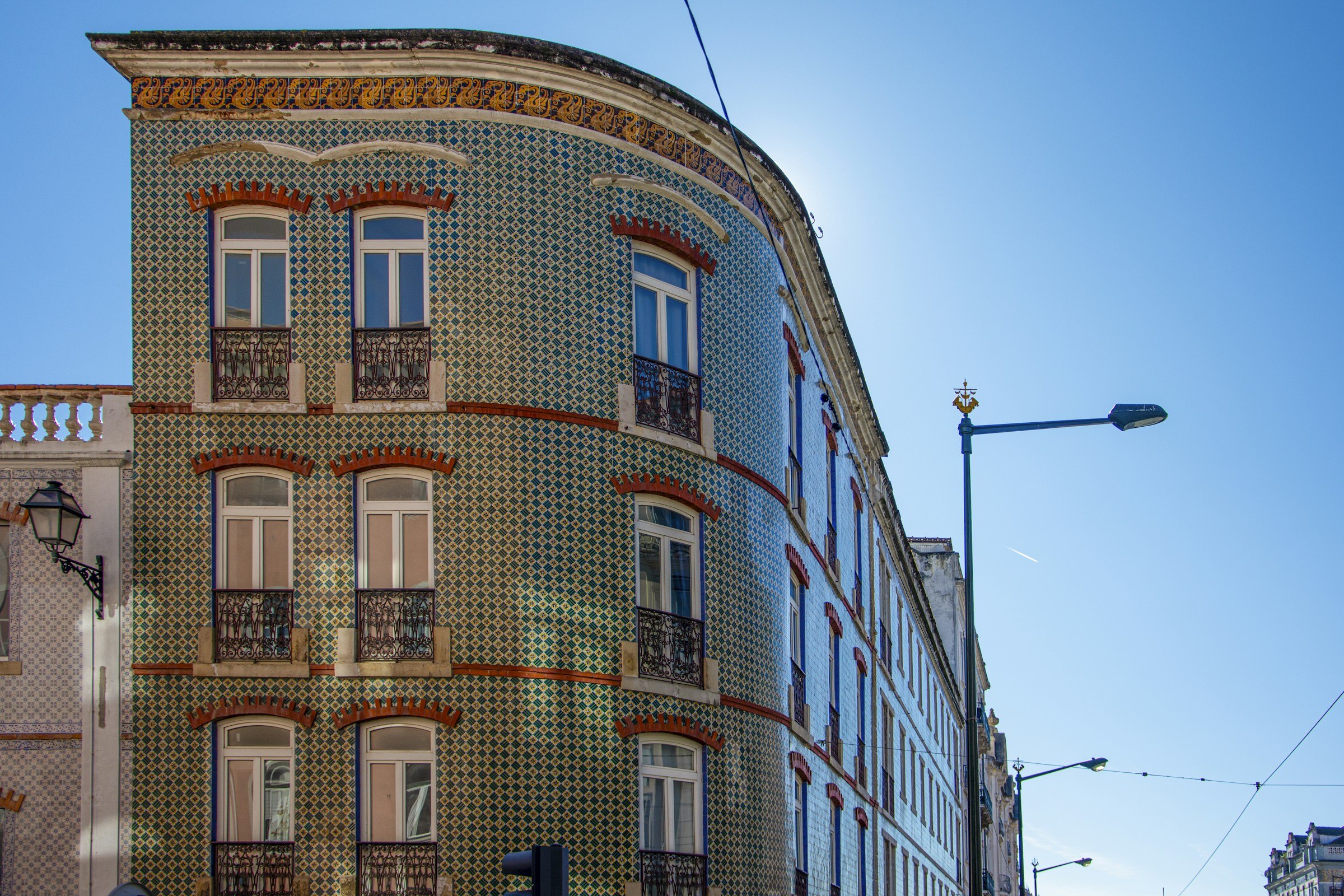
A person viewing property for the first time tends to notice the things that are immediately attractive. The terrace is beautiful. The stone walls have character. The windows are enormous. The view is exceptional. The kitchen photographs perfectly.
Someone who has already lived here starts asking different questions before they get emotionally attached. How much sun does this room receive in January? What is the energy rating? Are those windows actually double glazed? What heats the house? Is there air conditioning in every room or one unit servicing an entire floor? How does the building deal with humidity? Is there an elevator? Where do you park? How active is the condominium? Who is responsible for the roof?
Portuguese winter weather is moderate compared with much of North America and northern Europe, but that does not automatically make Portuguese homes warm. Building performance depends enormously on age, construction, insulation, windows, heating systems, orientation, and renovation quality.
Portugal strengthened building energy requirements over time, particularly after European energy-performance rules were incorporated into national regulation. As a result, a newer or properly renovated property can behave very differently from an older building that has retained beautiful original features without the same level of thermal improvement.
This is one of the reasons I am careful about describing any home as simply “perfect for year-round living,” because that statement has to mean something.
A property needs to work on a wet Tuesday in February when you have nowhere interesting to go and are simply spending the evening at home. It needs to work when groceries have to come upstairs, when somebody is sick, when the children have school the next morning, when your parents visit, and when you have lived there long enough that the view is no longer compensating for everything else. That is a very different standard from whether a house makes a good first impression.
The Private and Public Parts of Life Sit Closer Together
One of the things many people notice after living in Portugal is how visible family life is. You see several generations eating together, and children are part of restaurants and cafés rather than automatically being treated as an inconvenience. Grandparents are frequently involved in school pickups, afternoons, and family logistics, while weekend meals can occupy hours because the point is not simply to eat and leave.
This does not mean every Portuguese family behaves the same way, and it certainly does not mean Portugal has escaped the pressures affecting families everywhere. People work long hours, commute, divorce, move away from their hometowns, struggle with housing costs, and manage complicated lives. The difference is that family remains very present in public life.
Food is one of the easiest places to see it. Official Portuguese tourism information describes eating out, particularly weekend lunches and dinners, as a common reason to meet friends or spend time together. The table is not simply somewhere people consume food; it remains an important social space.
For newcomers, that can affect how they think about a home as well. A dining room may matter more than expected, a kitchen becomes important in a different way, guest rooms get used, outdoor space is not merely decorative, and proximity to grandparents or adult children can become part of a relocation decision. The longer someone actually lives in Portugal, the more often I see property requirements move away from abstract ideas of luxury and toward the practical question of who is going to spend time there.
Being a Resident Means Participating
Portugal has changed quickly. Recent government figures put the foreign-resident population at close to 1.6 million people in 2025, around 14 percent of the country’s residents. That means international migration is not a marginal subject in Portugal anymore; it affects housing, schools, employment, services, neighborhoods, politics, and how Portuguese people think about the future of their communities. International residents are part of that conversation whether they intended to be or not.
This is where I think the discussion about “integration” needs to become more mature than learning how to order a coffee in Portuguese and attending a local festival once a year.
Living here means understanding that Portuguese people are dealing with their own country at the same time you are discovering it. Housing affordability is not an abstract issue when someone grew up in a neighborhood they can no longer afford. An international buyer may see value where a local family sees a price that moved beyond its income. A smaller town may appreciate new investment while still being protective of its language and local identity.
Recent discussions among Portuguese people and foreign residents have made that tension increasingly visible, particularly as international residents move beyond Lisbon, Porto, Cascais, and the Algarve into communities that historically had much less foreign demand.
I do not think the answer is for newcomers to feel guilty about living in Portugal — I think the answer is to pay attention. Learn Portuguese, use local businesses, and understand what is happening in the housing market around you. Do not assume that a community should become more English-speaking because you moved there, and be curious about why something works the way it does before explaining how it should be changed.
You do not need to become Portuguese to be a good resident of Portugal, but you do need to understand that residence creates a relationship with the place, not simply access to it.

The Home You Want After Living Here Is Often Different
The longer I work around real estate in Portugal, the more convinced I become that the best property brief is usually written after someone understands their actual life here.
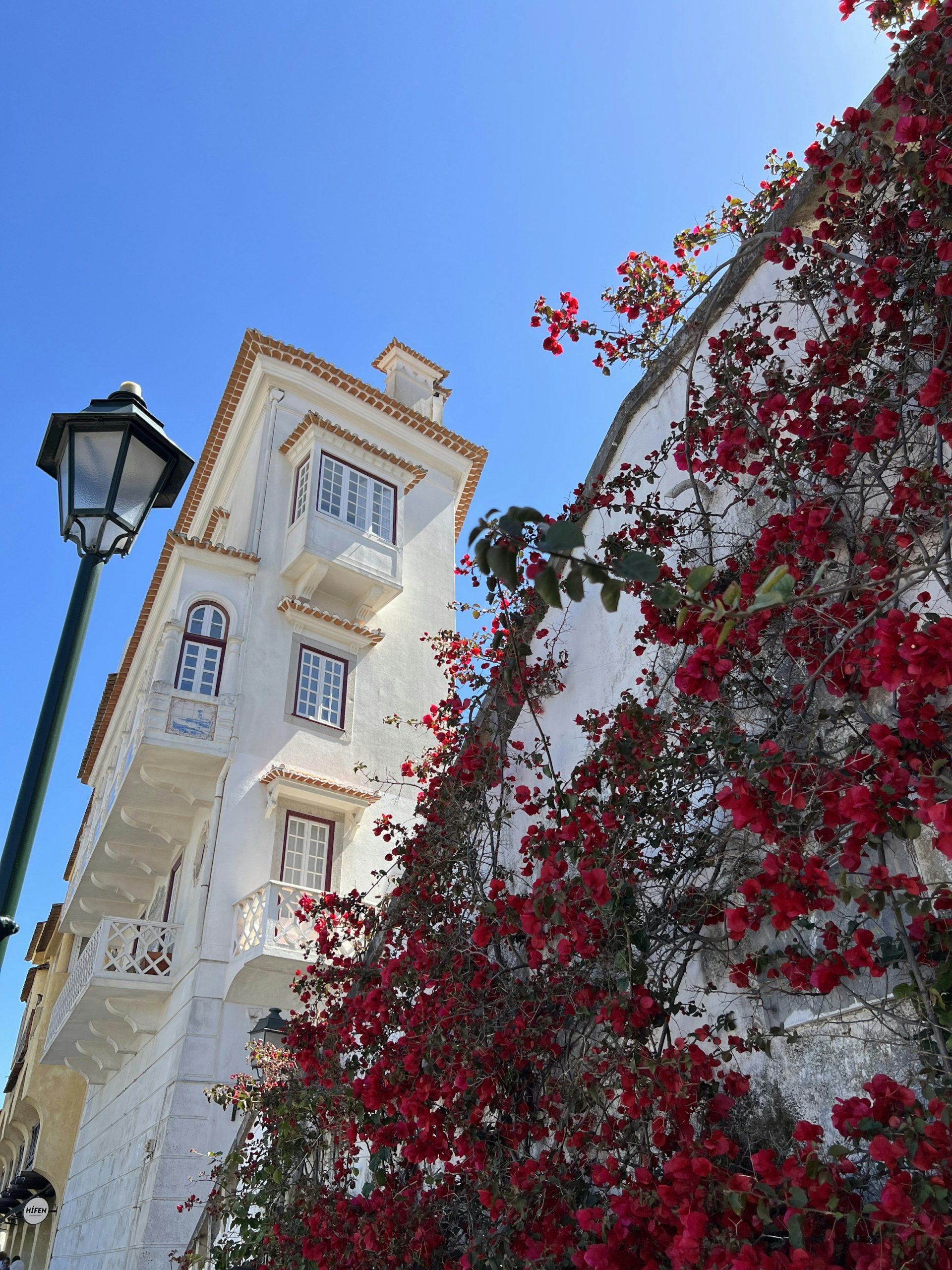
At the beginning, buyers often speak in features — four bedrooms, pool, ocean view, new construction, historic character, or walking distance to restaurants. Those things still matter, but after living here the questions usually become more specific.
Can I leave the house without a car? How long does it actually take to reach the school at 8 a.m.? Can my mother manage these stairs? Does this town function in January as well as August? Will I hear the upstairs neighbor? Where do we store everything? Is the airport really thirty minutes away, or is it thirty minutes away at 11 p.m. on a Sunday?
This is not buyers becoming less ambitious; it is buyers becoming more accurate.
Luxury shifts from accumulating impressive architectural features to removing daily friction. For one buyer, that means an apartment in Lisbon with an elevator, private parking, a doorman, and zero maintenance. For another, it means enough property that the nearest neighbor is out of sight. For a family, it might mean avoiding a two-hour daily school run. For a retiree, it could mean walking distance to healthcare and services.
I think this is why people sometimes change regions after renting for a year. It is also why someone can arrive convinced that they belong in central Lisbon and eventually buy in Cascais, Sintra, Setúbal, Braga, or somewhere they had barely considered at the beginning.
Living here teaches you what matters through repetition, and eventually, your property search catches up.
We Start With the Life, Not the Listing
At Atrium, we work with international clients who often arrive knowing a great deal about Portugal on paper. They have researched neighborhoods, property prices, visas, taxes, schools, airports, healthcare, and restaurants. What they do not always know yet is which of those things will actually determine whether they are happy once the move becomes ordinary life.
That is where our conversations become more specific. We want to know whether you expect to walk every day or drive everywhere, whether your children will attend Portuguese or international schools, whether your parents will stay for months at a time, whether you travel constantly, whether you care more about privacy than proximity, and whether you want to know your neighbors or would rather not see them.
We also want to understand what you are prepared to adapt to, because relocation is not simply a matter of finding the Portuguese version of the life you already have. Some parts can be recreated, while other parts will change — and sometimes those changes become the reason you stay.
Our job is to help connect the property decision with that larger reality. That may mean telling someone that the spectacular house they love is poorly positioned for the life they described. It may mean recommending that a client rent before buying. It may mean looking in a different municipality entirely.
A good property should support your life in Portugal; it should not require your life to keep making excuses for the property.
Living Here Is More Complicated Than the Fantasy, and Better for It
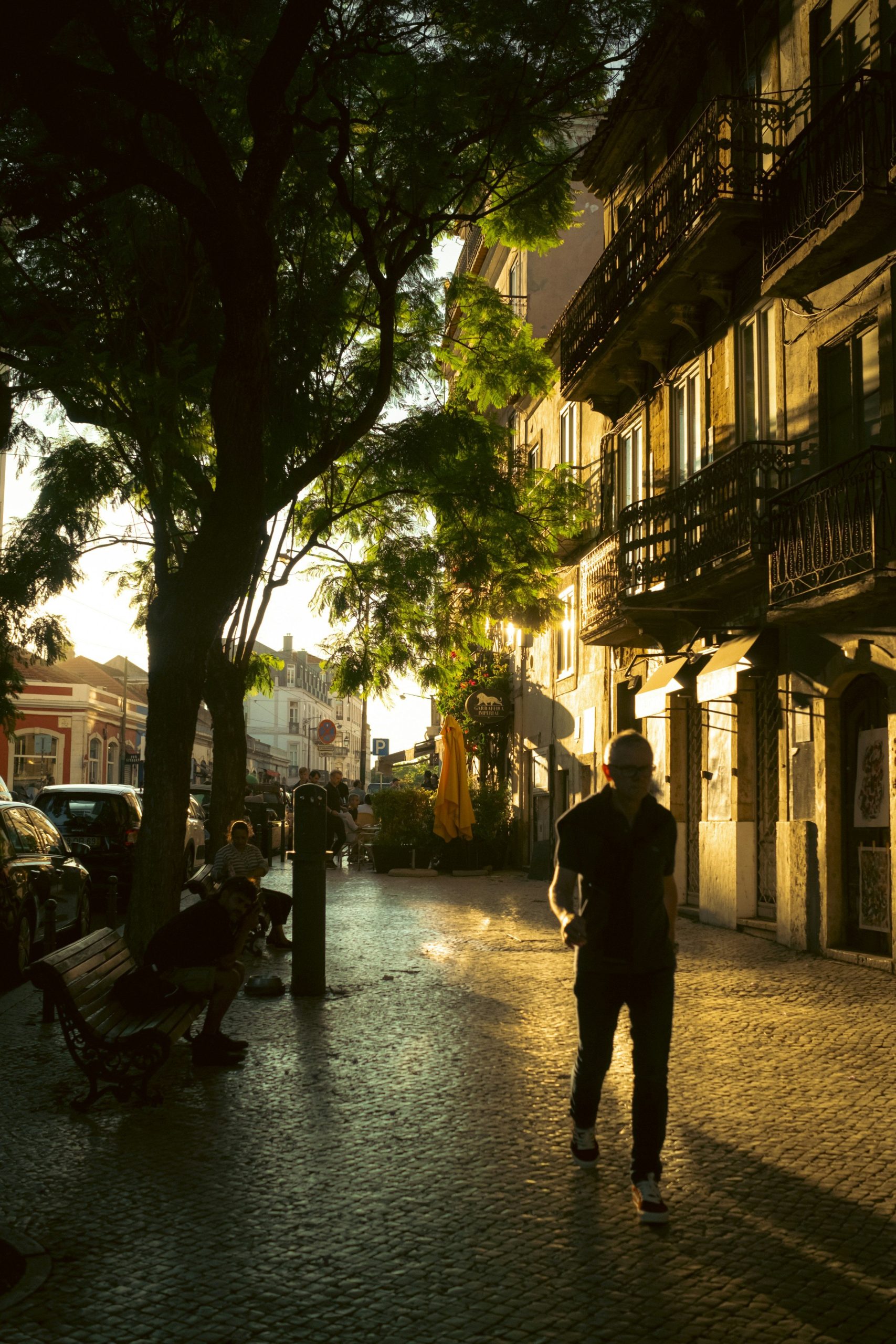
The Portugal people fall in love with before moving is usually real. The weather really can be extraordinary, the food can be excellent, the coast is still there, and the cities are beautiful. There are moments when life here will look almost embarrassingly close to the photographs people use to sell it, but none of that is what eventually makes a country home.
Home is knowing how to deal with the water company when the bill makes no sense. It is being able to call the doctor, speaking enough Portuguese to solve your own problem, understanding which bakery closes on Monday, remembering the condominium meeting, and knowing which neighbor has the spare key.
It is learning when something is genuinely inefficient and when you simply have not understood the system yet. It is becoming comfortable enough to criticize Portugal without comparing everything to another country, and attached enough to defend parts of it that used to confuse you.
Most importantly, it is realizing that living here is not an extended version of being on holiday. You are participating in somebody else’s home until, slowly and with enough time, it becomes yours too. That is the Portugal you learn by living here.
Living in Portugal, Answered
Do you need to speak Portuguese to live comfortably in Portugal?
You can accomplish a surprising amount in English, particularly in major cities and established international areas, but the limits become clearer once your life extends beyond tourism and professional services. Portuguese becomes increasingly important for local relationships, tradespeople, schools, healthcare, government interactions, and life in smaller communities. AIMA itself identifies Portuguese-language learning as a fundamental component of social, professional, and civic integration.
What surprises foreigners most about living in Portugal long term?
Online discussions among long-term residents repeatedly mention language, bureaucracy, the quality and winter performance of older housing, the time required to build local friendships, and the difference between life in international areas and smaller Portuguese communities. Positive surprises commonly include helpful neighbors, strong local communities, food, safety, and the degree to which daily life can become more locally oriented once someone stops relying entirely on international services.
Is it necessary to live in Lisbon, Porto, or the Algarve if you do not speak fluent Portuguese?
No, but the expectations change significantly outside highly international areas. Smaller towns and less tourist-oriented communities generally operate primarily in Portuguese, and newcomers should be prepared to adapt rather than expect local businesses and residents to conduct daily life in English.
What should international buyers consider beyond the appearance of a Portuguese property?
For a full-time home, buyers should evaluate insulation, heating and cooling, window quality, energy certification, humidity, orientation, building management, parking, noise, accessibility, storage, and how the location functions during ordinary working and school days. These practical details often become more important after someone has lived in Portugal through every season.
Is it better to rent before buying in Portugal?
For clients who have not spent meaningful time in the area where they plan to settle, renting can be useful because it allows them to understand traffic, neighborhoods, climate, local services, housing construction, and how their routine actually works. It is not necessary for every buyer, but it can prevent someone from making a permanent property decision based primarily on the version of Portugal they experienced as a visitor.
Favorite Lifestyle Aspect & Neighborhood
The quiet rhythm of morning bica at the local pastelaria, where daily routines, neighbors, and local life naturally intersect.
Cascais / Foz do Douro — offering an exceptional balance of coastal serenity, walkability, immediate access to daily amenities, and easy connection to the vibrant center.
Issue 03 · October 2026
Language, neighborhoods, housing, bureaucracy, family life and property — what international residents actually learn after Portugal stops being a destination and starts being an address.
For expats, by expats
We start with how you actually intend to live — the school run, the winter, the walk to the pharmacy — and work back to the property.
A good property should support your life in Portugal.
Tell us how you actually plan to live here — the school run, the winter evenings, the walk to the pharmacy — and we will work back from that to the property. Consultations are always free.