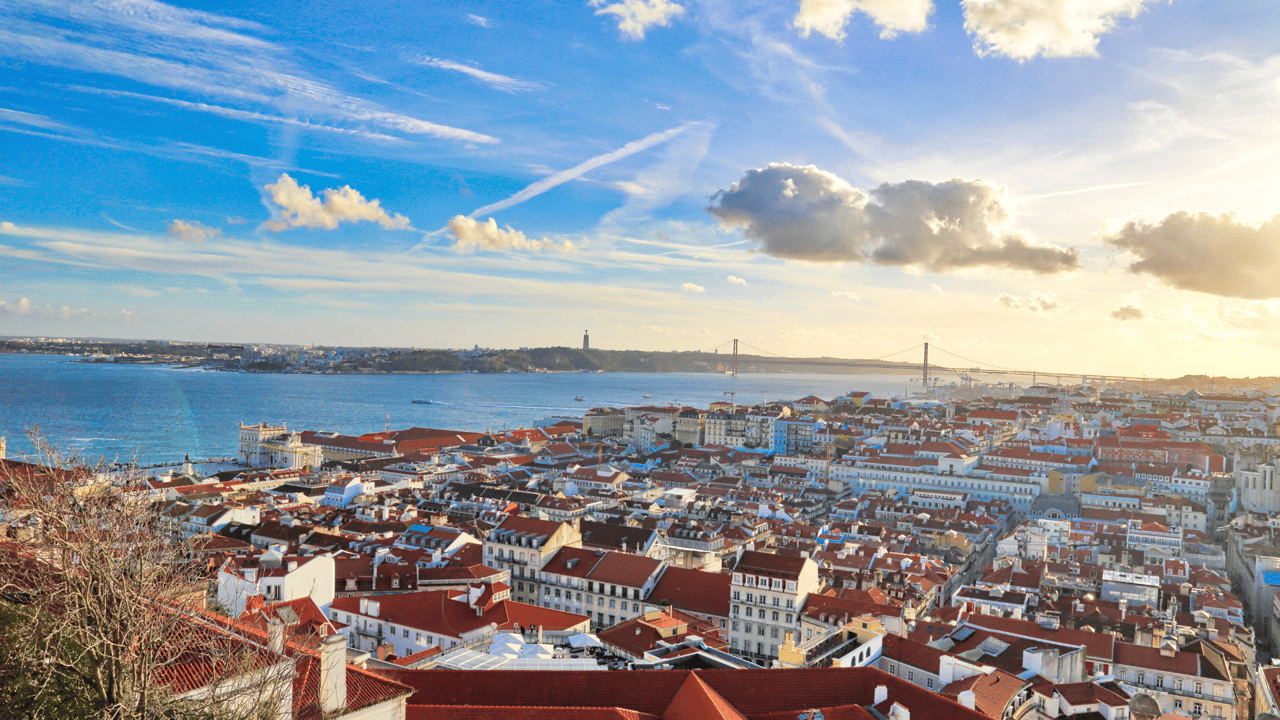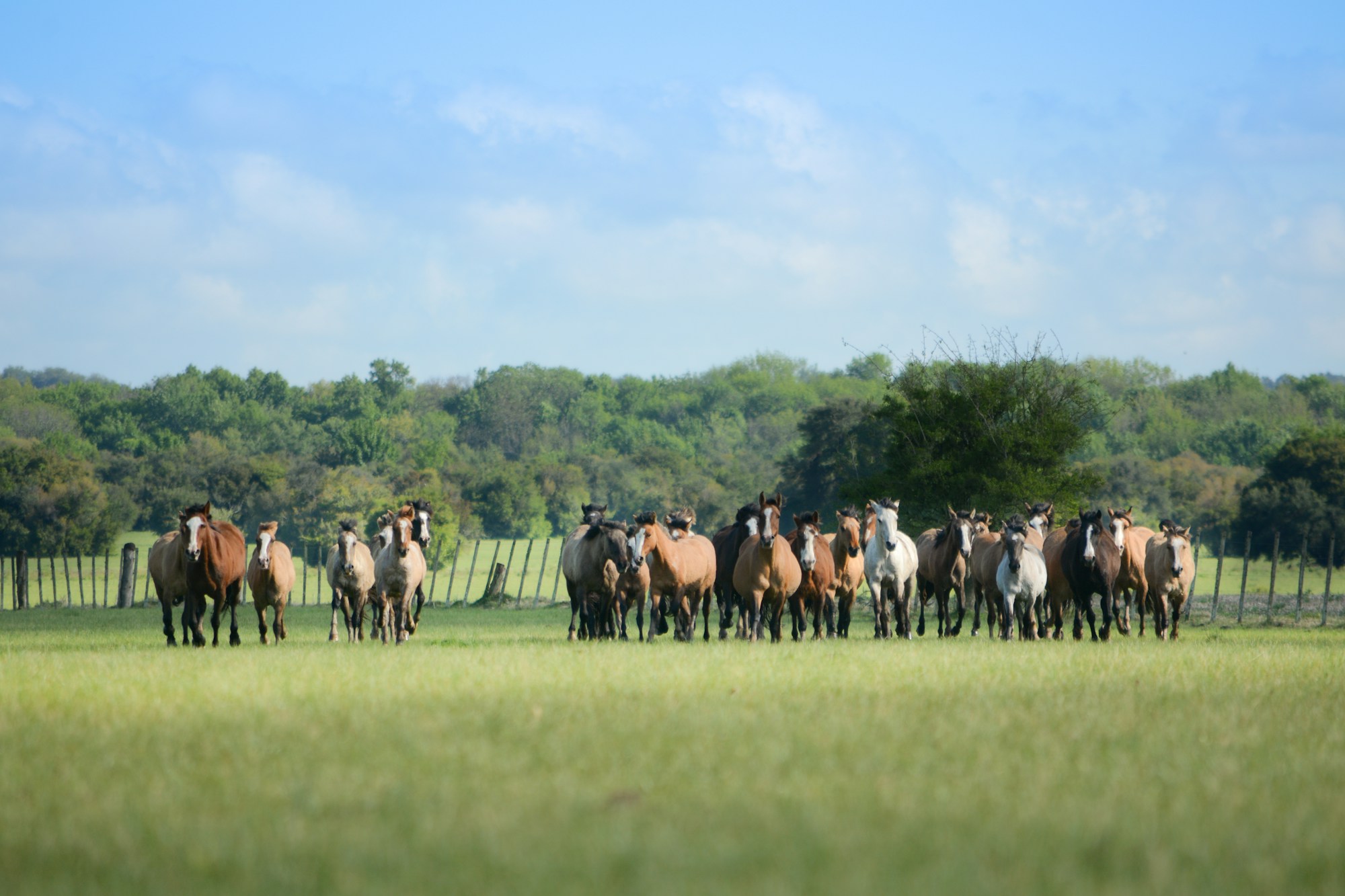
Portugal on Horseback: Equestrian Culture, Horse Welfare, and the Properties That Make It Possible
Portugal’s equestrian culture is not only about sport, competition, or beautiful country estates. It is tied to the land, to agricultural tradition, to the Lusitano horse, to regional identity, and to the way certain parts of the country still understand daily life through animals, landscape, and rhythm.
That is what makes equestrian life in Portugal so compelling, but it is also what makes the property search more serious. A beautiful quinta with stone walls, olive trees, and a stable block may look perfect at first, but horses do not live on aesthetics. They need safe turnout, reliable water, shade, ventilation, good drainage, secure fencing, suitable access, and a care network that can support them every day.
So before talking about arenas, guest houses, vineyards, pools, or views, the first question should always be whether the horses will live well there. A strong equestrian property is not simply one that looks impressive. It is one where the land, facilities, climate, access, management plan, and surrounding ecosystem all support the horse’s daily welfare.
That is the lens this article is written through. Portugal can offer an extraordinary equestrian lifestyle, but the best version of that life happens when the horses are not treated as an accessory to the property. They are part of the plan from the beginning.
In This Article
The Horse as Part of Portugal’s Landscape
In some countries, horses feel separate from daily life. They live in specialized barns, travel to showgrounds, and belong mainly to a sporting calendar. Portugal feels different because the horse still appears in ordinary landscapes: across the open plains of the Alentejo, in the Ribatejo’s stud farms, in Golegã during the National Horse Fair, in traditional riding schools, and in rural estates where horses, agriculture, family life, and land can still sit close together.
That connection is part of Portugal’s appeal, but it should not make the buyer careless. A property that feels romantic to a person may not be comfortable for a horse. The open plains of the Alentejo are beautiful, but heat, water, shade, and fire planning matter. The North is green and textured, but drainage, mud management, and covered training space become more important. The Algarve offers climate, services, and international access, but summer heat and water management cannot be ignored.
This is why the equestrian property search has to begin with lifestyle and care together. Some buyers want sport. Some want breeding. Some want trail riding, family life, or a legacy estate. Some want horses nearby without managing a full rural property themselves. Each version requires a different region, a different property type, and a different level of support for the animals.
The best equestrian life in Portugal is not built by choosing the largest estate or the prettiest stable yard. It is built by matching the horses’ needs with the owner’s goals, the land’s capacity, and the realities of the region.
The Lusitano and Living Heritage
At the center of Portugal’s equestrian identity is the Puro Sangue Lusitano, the pure-bred Lusitano. Powerful, intelligent, responsive, and deeply connected to Portuguese horsemanship, the Lusitano is admired internationally in classical dressage, working equitation, leisure riding, and competition.
To understand the Lusitano only as a breed is to miss its deeper importance. In Portugal, it represents continuity. The Portuguese School of Equestrian Art preserves traditions associated with the eighteenth-century Portuguese royal court, while the Alter Stud Farm remains an important center for breeding, education, and equestrian heritage.
For international buyers, this gives Portugal a distinct character. In the United States, the equestrian world is wonderfully varied but often divided into specialized disciplines such as hunter-jumper, western, racing, reining, polo, eventing, and dressage. In Portugal, the Lusitano creates a more concentrated cultural thread between classical riding, agriculture, breeding, ceremony, and sport.
That heritage is beautiful, but it also carries responsibility. Living near an active equestrian tradition does not mean every property is automatically suited to horses. The horse’s daily care still has to come first. Good land, thoughtful facilities, access to professionals, and a stable management plan matter just as much as proximity to culture.
The advantage of Portugal is that horses can become part of a full life here. They can coexist with family, land, food, wine, travel, sport, agriculture, and the sea. The challenge is making sure the property is chosen responsibly enough for that life to work.
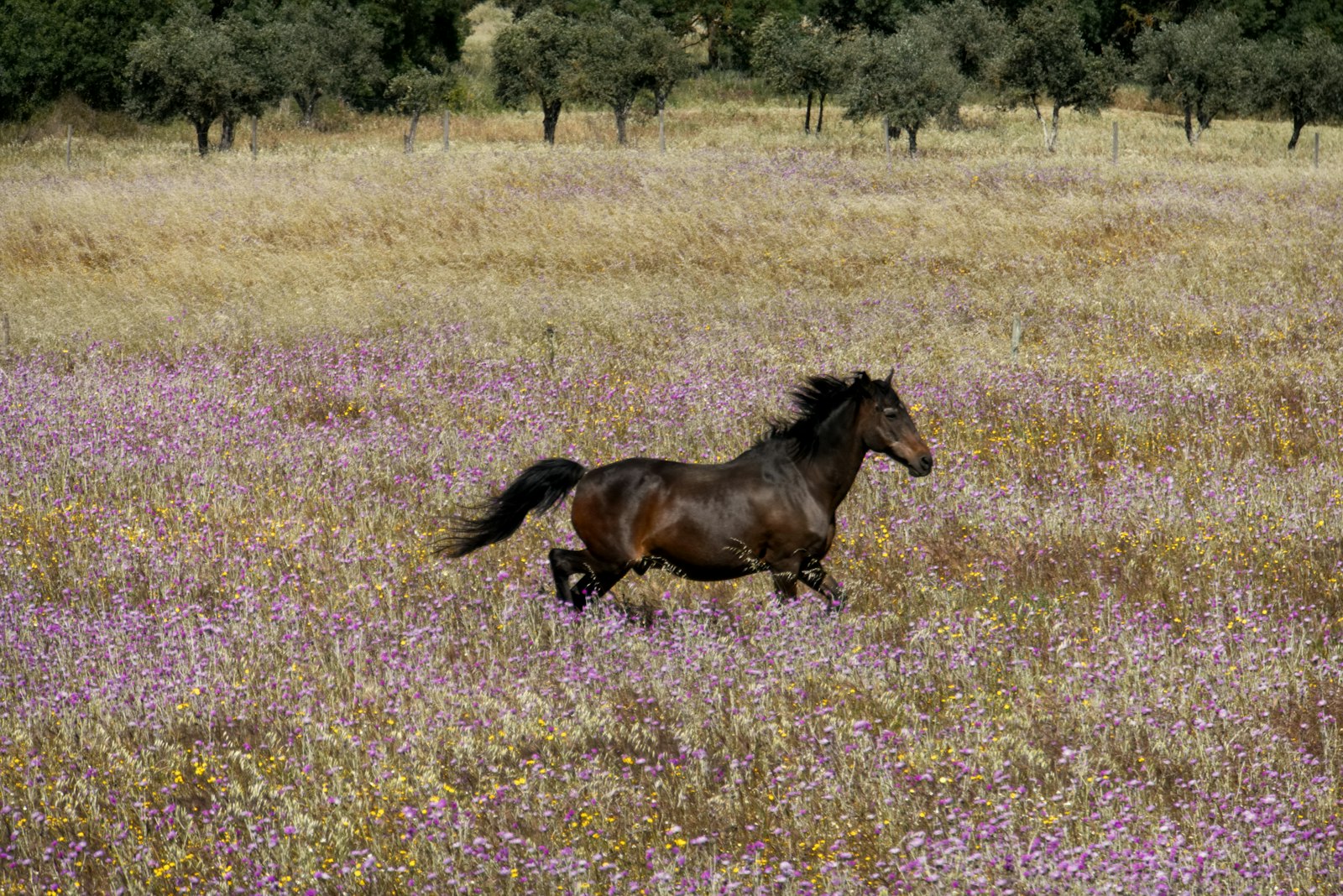
Portugal’s Equestrian Regions
Portugal’s equestrian regions are not interchangeable. Choosing between them should depend not only on where the owner wants to live, but on where the horses can be cared for properly.
The Algarve
The most internationally accessible version of equestrian Portugal — horses alongside beaches, restaurants, golf, international schools and Faro Airport. The Vilamoura Equestrian Centre is bringing serious sport infrastructure into a region already known for lifestyle. For the horse, though: coastal land is expensive, summers are hot, and water access, shade, ventilation and heat management need careful evaluation.
The Alentejo
If the Algarve is equestrian lifestyle, the Alentejo is equestrian country — herdades, cork forests, olive groves, and properties where horses feel fully integrated into the landscape. Ideal for buyers who want land, privacy and authenticity, but it demands preparation: greater distances, intense summer heat, and shade, water, fire planning, fencing and staffing that must be evaluated by exact location. This may be the most complete version of equestrian living in Portugal, but it is rarely the easiest.
Ribatejo & Golegã
The cultural heart of Portugal’s horse world — Lusitano tradition, stud farms, and Golegã’s National Horse Fair, which feels deeply rooted rather than staged. Good for buyers who want access to Lisbon without losing contact with a genuine horse community. The horse’s questions here are practical: land quality, turnout, trusted professionals, legal use and transport routes.
Cascais & Sintra
Not necessarily the obvious choice for a large working estate, but it can make sense for families who want riding access, international schools, Lisbon, the Atlantic coast and an established community. In some cases the best solution isn’t keeping horses at home — it’s living near strong equestrian facilities where the horses receive professional care while the family benefits from the region’s lifestyle infrastructure.
Northern Portugal
Greener, steeper, more varied, more intimate — forests, river valleys, granite villages and a more athletic riding environment. More rain supports greenery but makes drainage, footing, mud control and covered training space more important. The Porto–Braga–Ponte de Lima corridor deserves serious attention for buyers who want Porto access, local community and terrain-shaped training, even without the Alentejo’s wide-open scale.
What the Horse Needs From the Property
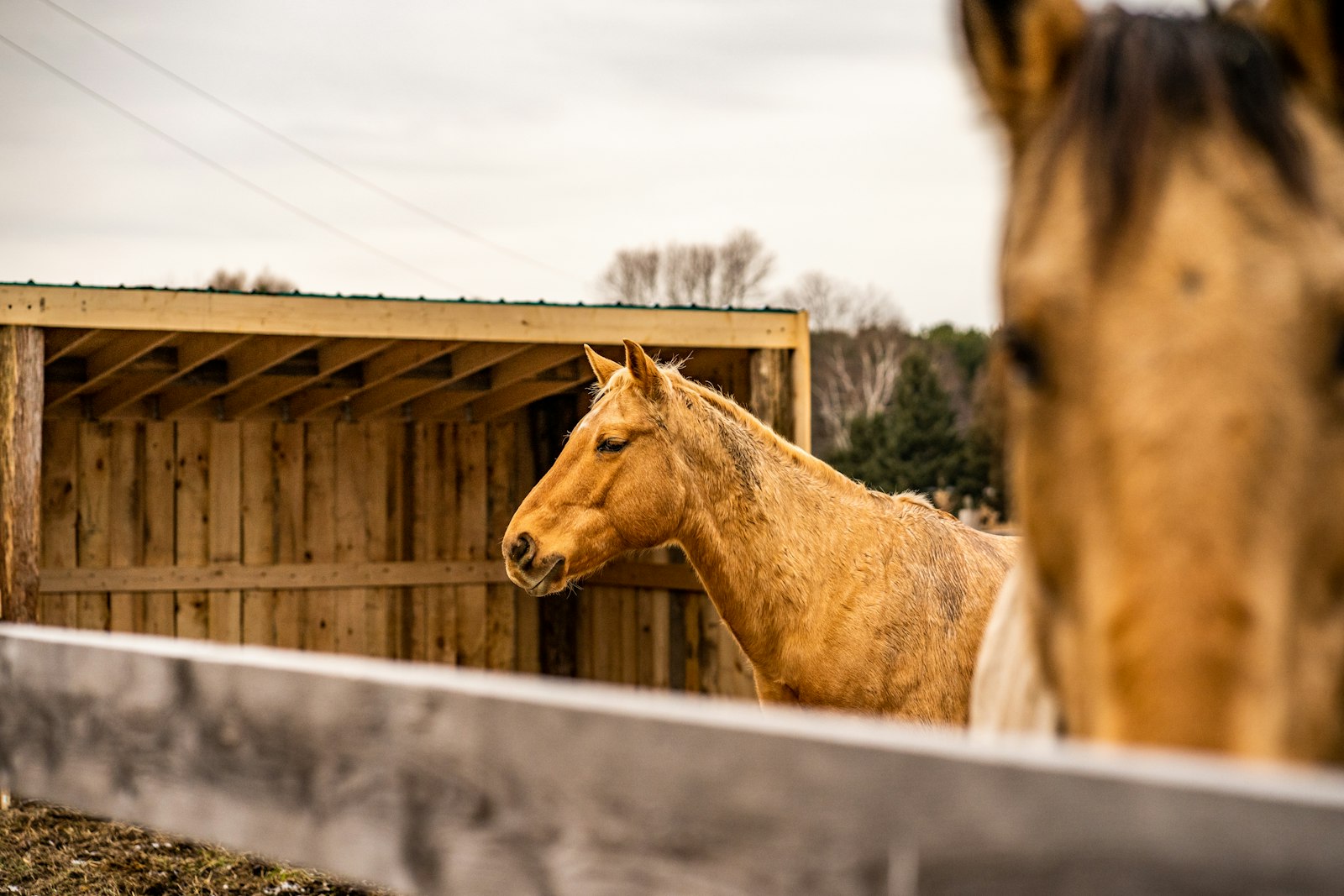
Land is the first question. Acreage matters, but acreage alone does not tell the full story. Soil quality, drainage, slope, shade, paddock layout, access routes, and fencing all determine whether a property is genuinely usable or simply large.
Water is just as important. In drier regions, especially the Alentejo and parts of the Algarve, water should be treated as one of the central questions of the purchase — boreholes, licensing, output, storage, irrigation, trough systems, fire protection, and heat management all need to be understood before a buyer becomes too attached to the romance of the estate.
Shade and ventilation also matter. Horses need places to get out of direct sun, barns that breathe properly, and turnout arrangements that make sense for the season. In the North, the questions shift toward drainage, mud control, covered work areas, and footing.
The stable block should be evaluated from the horse’s perspective, not only the buyer’s — box size, airflow, flooring, hay storage, feed rooms, tack areas, wash bays, and whether staff, farriers, veterinarians, and transporters can access the facilities easily.
Legal use needs to be confirmed early. Existing stables do not automatically prove authorized equestrian or commercial use. And the final piece is the surrounding ecosystem — reliable access to veterinarians, farriers, trainers, feed suppliers, transport, grooms, and suitable riding routes can be more valuable than an impressive arena in the wrong location.
Equestrian & Country Listings
The properties below are not meant to suggest that every beautiful estate is automatically suitable for horses. Each represents a different version of equestrian or country living in Portugal, evaluated through both lenses: how the owner wants to live, and how the horses will be cared for.
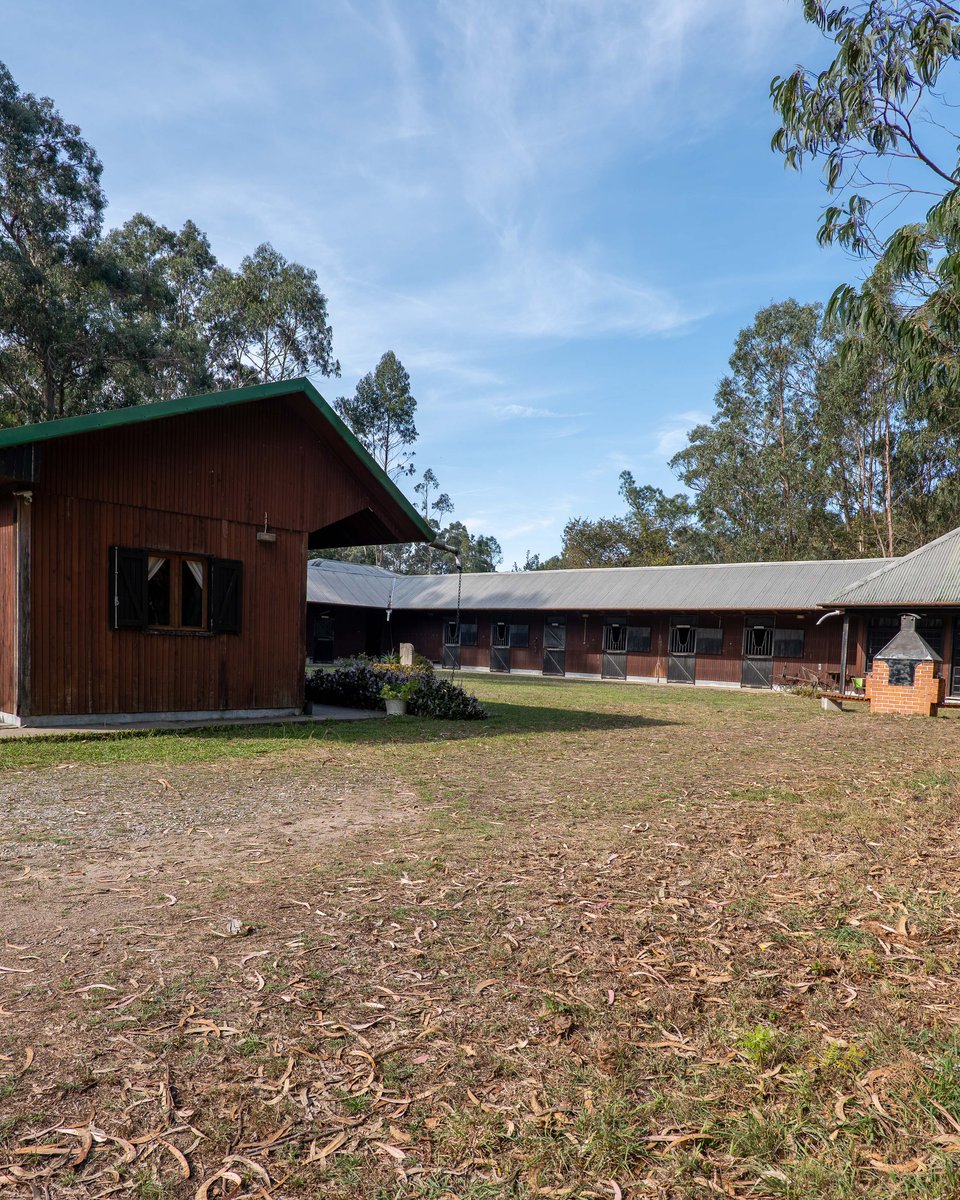
Equestrian Estate in Lavra, Matosinhos
A rare northern combination: equestrian facilities and coastal access, for buyers who want horses without leaving the Atlantic or Porto behind. Existing stalls, a covered riding arena, horse-care areas, tack space, hay storage, rider facilities and social areas make it more immediately functional than a purely adaptable estate — 13,000 m², just 800 metres from the beach and under 10 minutes from the airport.
For the horses, the northern climate changes the questions: drainage, covered training space, footing and airflow become important. For the owner, the appeal is balance — horses, coast and airport access in the same lifestyle conversation.
Best for: Buyers who want established equestrian facilities, coastal living, and quick access to Porto.
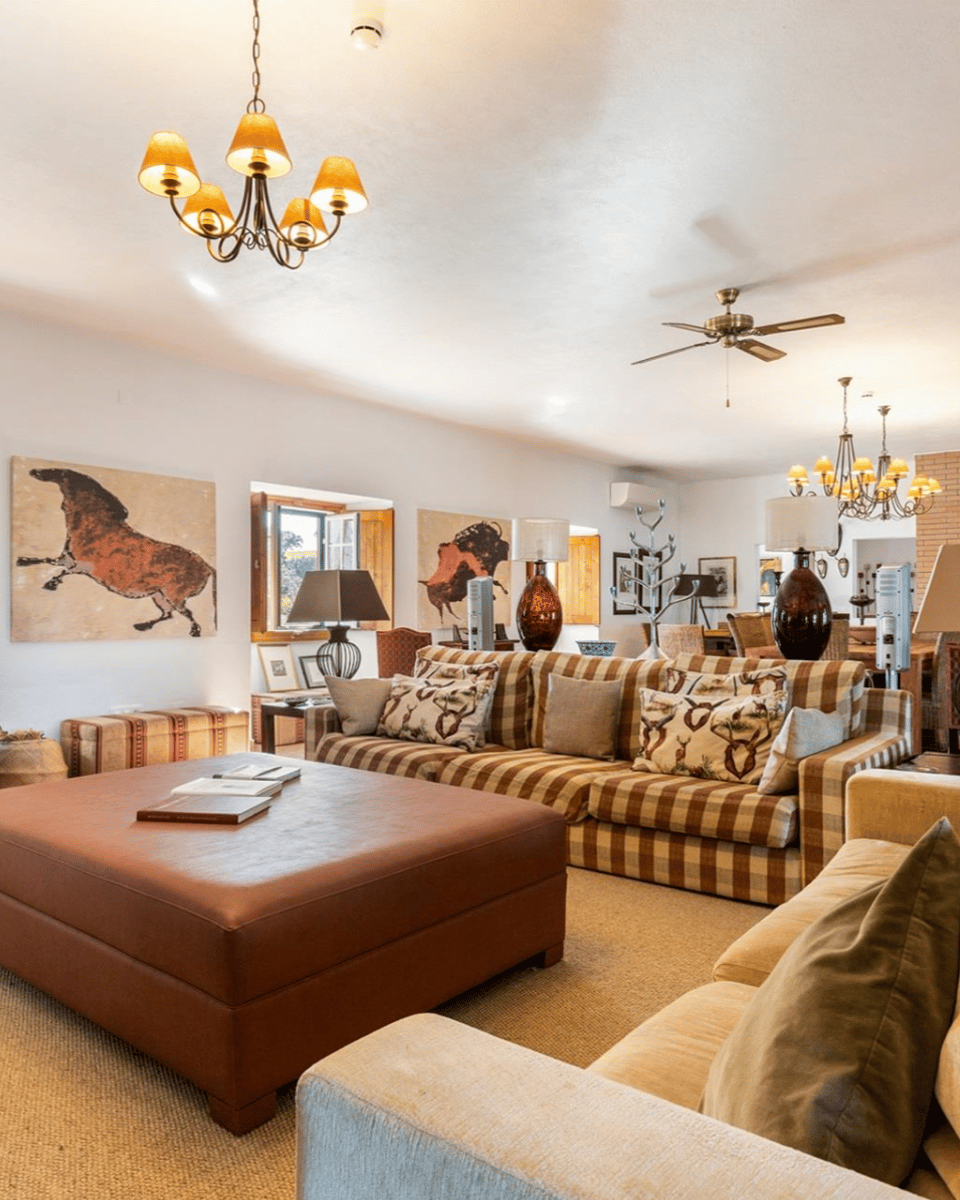
380-Hectare Countryside Equestrian Estate
The Alentejo in one of its most complete equestrian forms: land, privacy, a 600 m² country manor, an existing equestrian center, panoramic natural surroundings, and essential services nearby. For the owner, the appeal is space, horses, agriculture and hospitality potential.
For the horses, a property of this scale needs a clear plan for water, shade, turnout, fencing, staffing, veterinary access, feed supply and daily management across a large landscape. The land is the opportunity; the care plan is what turns it into a responsible equestrian home.
Best for: Buyers seeking land, privacy, existing equestrian infrastructure, and a true Alentejo lifestyle.
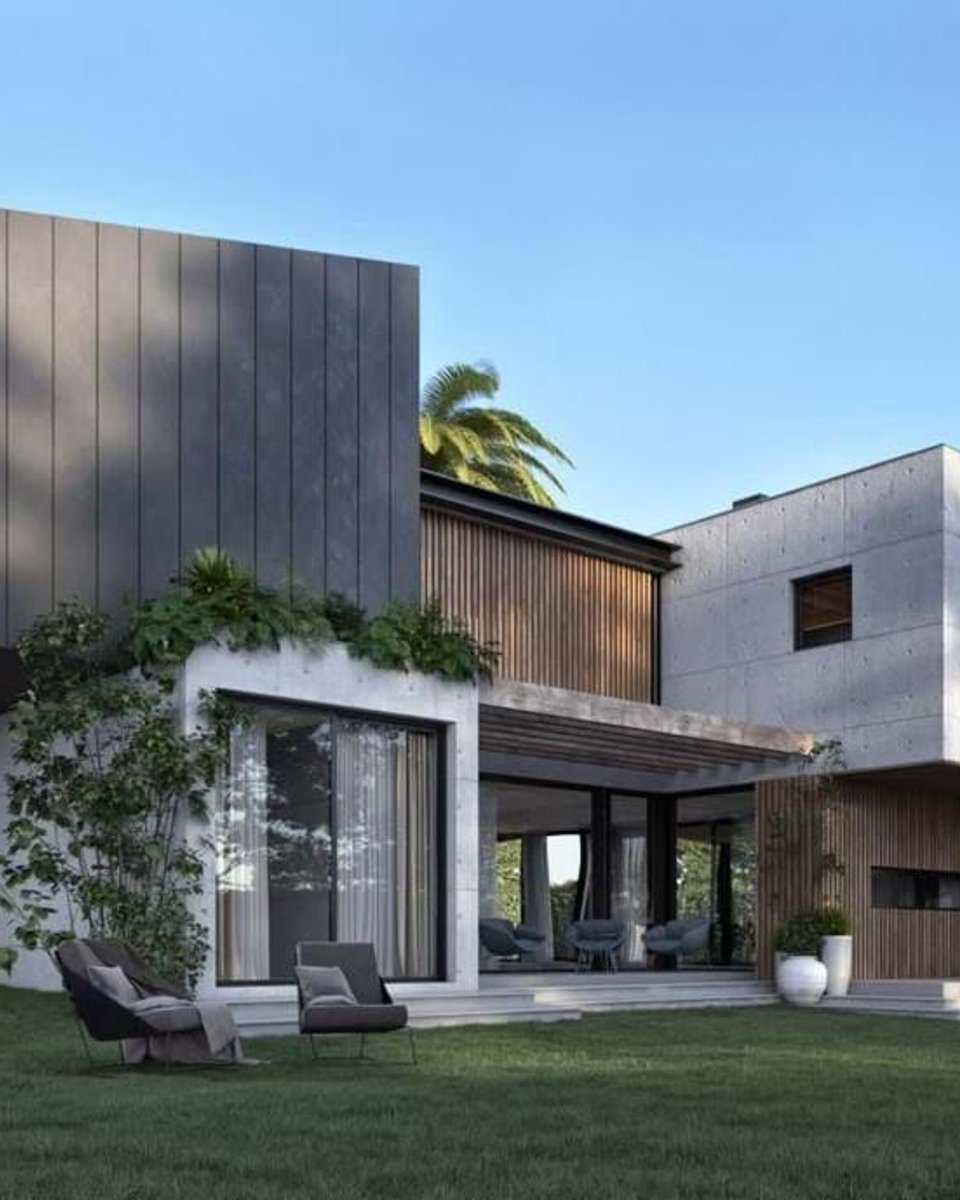
Cascais & Sintra-Area Lifestyle Properties
Some buyers do not need a full equestrian estate. They need access to riding, schools, beaches, Lisbon, healthcare, restaurants and a family-friendly rhythm. This six-suite contemporary villa near Guincho and Cascais’s equestrian centers is a current example of that profile — not a rural estate to manage, but a home positioned near the riding facilities the family actually needs.
This can also be better for the horses in certain cases: if the owner is new to Portugal, travels often, or needs strong family infrastructure, professional boarding or nearby equestrian facilities may provide more consistent care than a private property that isn’t fully equipped.
Best for: Families who want an equestrian-adjacent lifestyle without managing a large rural estate.
17th-Century Palace Estate Near Coimbra
Not every equestrian opportunity begins with a modern riding center. Some begin with heritage, land, and the possibility of adaptation. A historic estate near Coimbra can offer gardens, agricultural grounds, stables, outbuildings, and hospitality or cultural potential — but an equestrian buyer should not assume that charm alone makes the property ready for horses.
For horses, adaptation needs to be studied carefully: water, fencing, drainage, access, legal use, turnout, staff logistics, and the surrounding care network all need evaluation before deciding whether the estate can support private equestrian use, events, hospitality, or a more ambitious long-term plan.
Best for: Buyers interested in heritage, estate living, hospitality potential, and carefully planned equestrian adaptation.
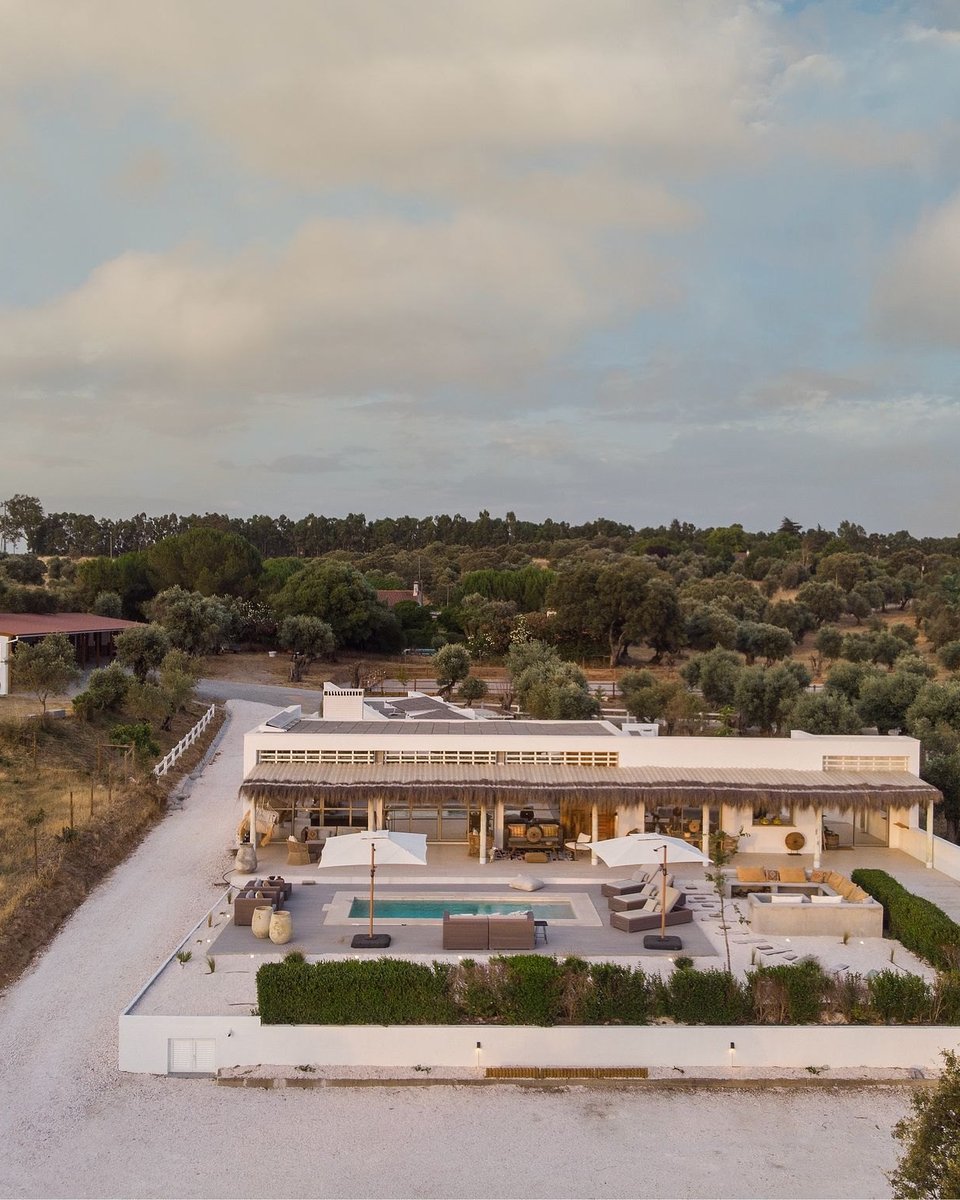
Turnkey Equestrian Estate With Livestock Registration in Place
Set near Arraiolos, in the heart of Portugal’s horse country, this 2.07-hectare estate combines a modern 273 m² single-story residence with established equestrian facilities. Completed in 2025 with an A energy rating, the three-bedroom home includes covered terraces, solar panels, a natural stone pool and low-maintenance interiors. A further 7.7 hectares of adjoining land is available separately.
For the horses, the property offers three stables with adjoining paddocks, a riding arena and space for additional facilities. Importantly, the required livestock registration for both equids and sheep is already in place, providing an established foundation for keeping horses from day one. The property also currently benefits from agricultural support.
Best for: Riders and horse owners seeking a move-in-ready estate with registered livestock use, established stabling, an arena, turnout land and the option to acquire additional acreage.
Off-Market & Privately Held Opportunities
Beyond the listings above, Atrium also has visibility into a number of equestrian and country properties that are not publicly marketed. Details, layout and photography for these are shared directly with qualified buyers on request.
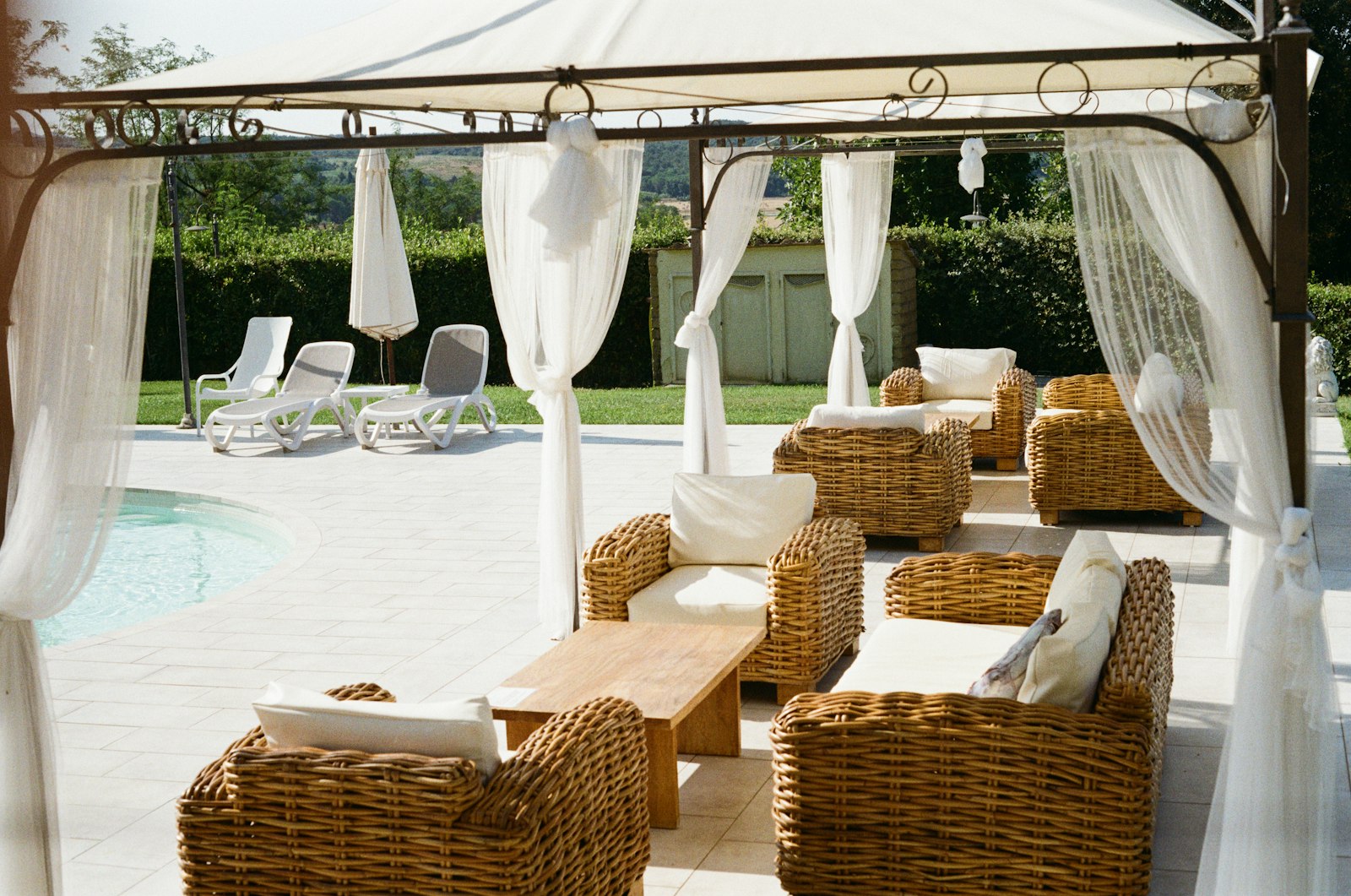
Equestrian Estate & Former Boutique B&B, Eastern Algarve
An established equestrian estate of around 4.8 hectares near the Ria Formosa, roughly twenty minutes from Faro airport, previously operated as a boutique bed and breakfast. The main villa holds ten en-suite bedrooms, alongside two further guest houses and three swimming pools. The equestrian side is fully built out — sixteen stables, twelve paddocks, a riding arena and a jumping track — with adjacent land available for expansion.
Its combination of guest accommodation and professional equestrian facilities makes it a natural fit for hospitality, a retreat concept, or an events business, as well as a private equestrian home for a larger household.
Best for: Buyers considering an equestrian hospitality, retreat or events concept in the Eastern Algarve.
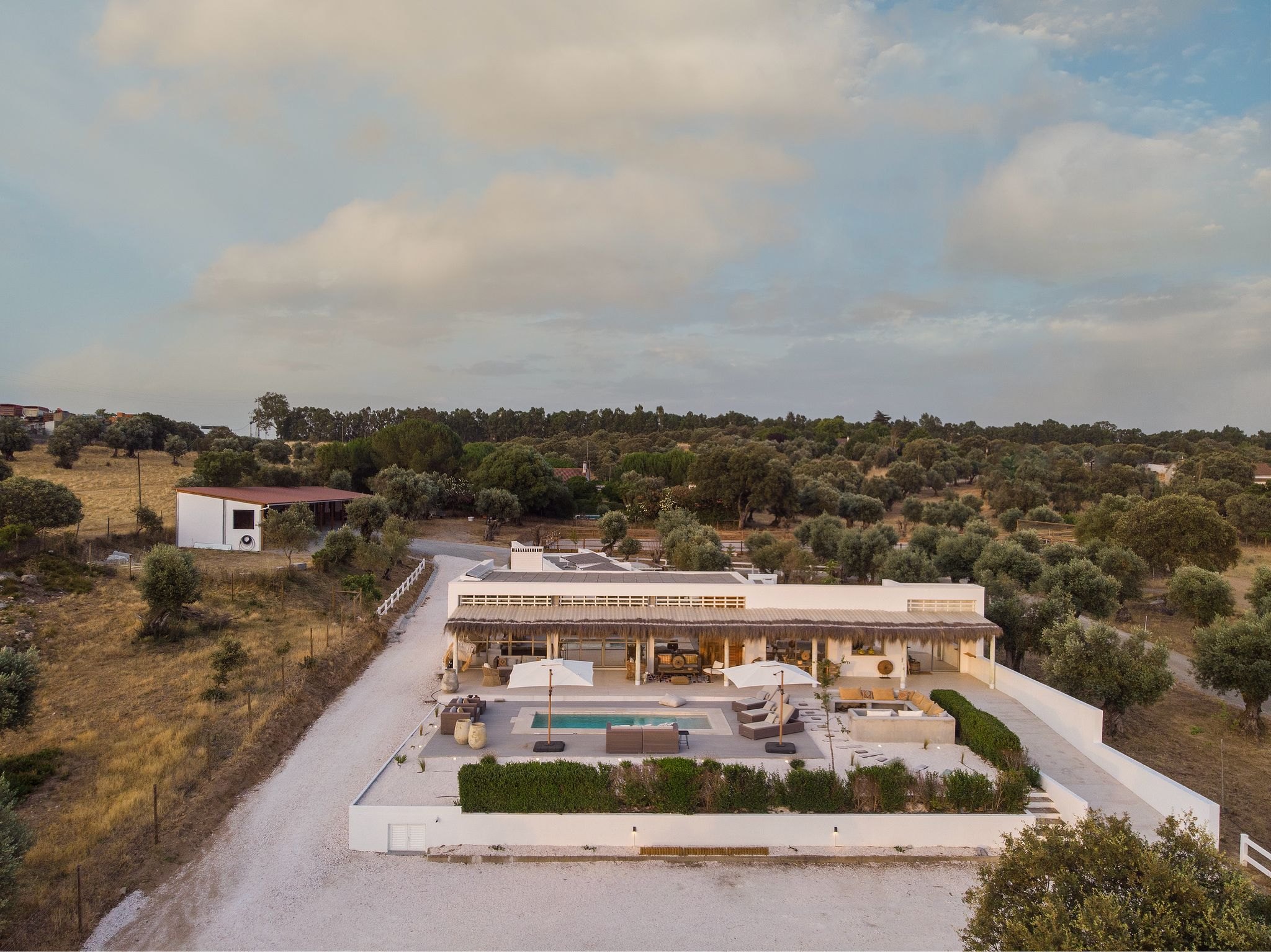
93-Hectare Equestrian & Nature Estate, Alentejo
A large equestrian and nature estate of roughly 93 hectares in the Baixo Alentejo, pairing a single-storey farmhouse with established horse facilities and a working landscape of cork-oak montado, pasture and grazing, a private lake and a swimming pool. Built in 2009 (366 m²), the home is generous and characterful, while the land and stabling give strong scope to develop equestrian tourism and trail riding.
Inside: five bedrooms and four bathrooms, including a principal suite with en-suite and dressing area, further en-suite bedrooms and a mezzanine study; a living room of around 35 m² with a fireplace, a dining room of around 26 m², and a fully equipped kitchen with pantry; air conditioning throughout and high-speed internet.
Outside & equestrian: a swimming pool, covered terrace, barbecue and terraced areas, a carport for three cars and video surveillance; a horse barn with stables, a tack room, a sand arena, multiple paddocks and kennels; a licensed borehole and a private lake around 3 metres deep, with a pond supporting the pasture.
Land: roughly 93 hectares (about 935,000 m²) — cork-oak montado (~56 ha), pasture (~17.5 ha), natural grazing (~14 ha) and stone pine (~2 ha), near Ourique in the Baixo Alentejo, around 20 km from Ourique itself, 30 km from Odemira and 35 km from Castro Verde, with access from the EN263.
Best for: A genuine working equestrian and nature estate with scale and privacy — for horse owners, or to develop equestrian tourism, trail riding or a boutique rural-hospitality project.
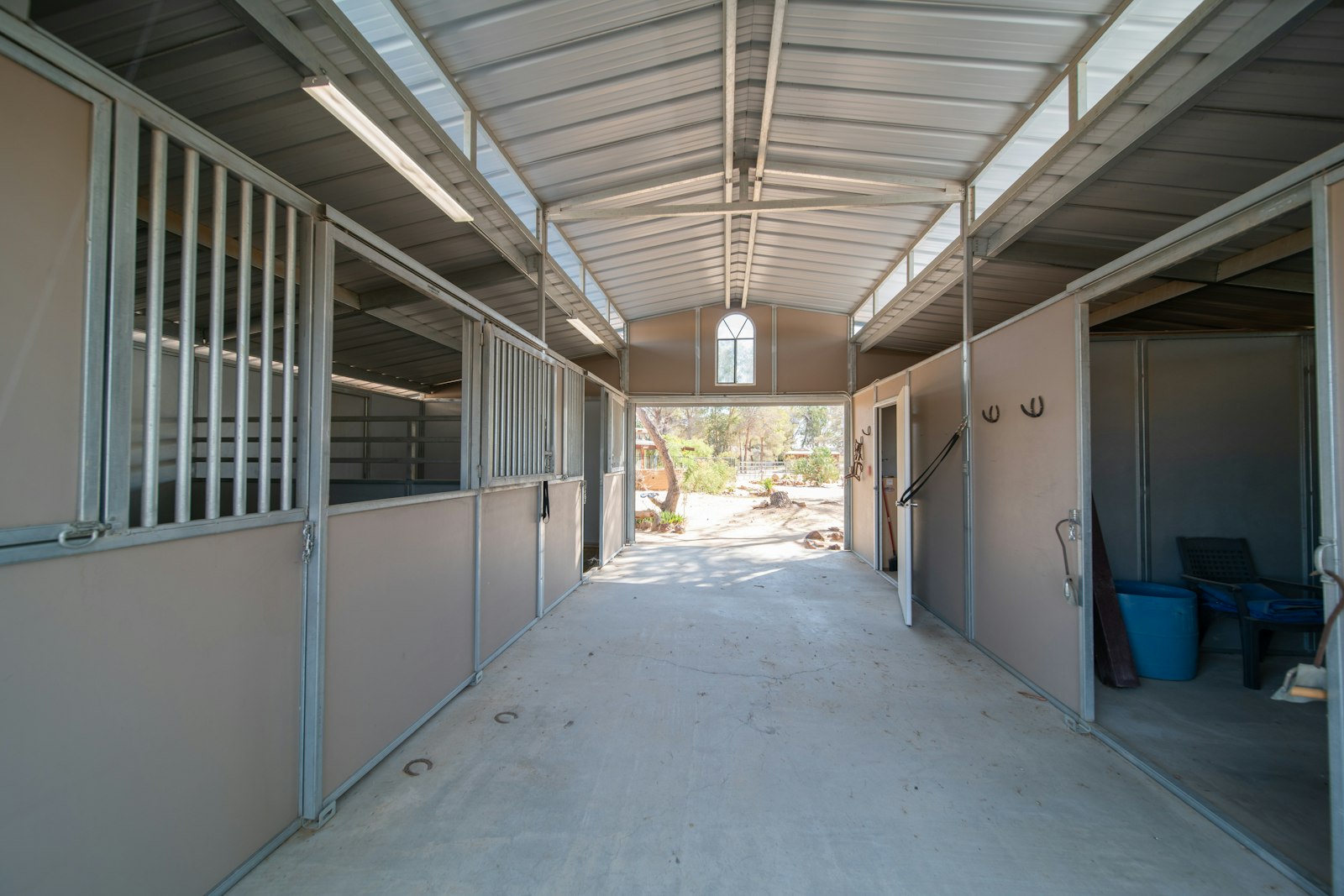
Equestrian Chalet Estate Near Porto de Mós, Leiria
A characterful four-bedroom, Brazilian-wood Swiss-style chalet of around 354 m² on a plot of roughly 9,460 m² in rural Juncal, with its own riding arena and horse boxes, a new swimming pool and a mature garden. An adjacent plot adds a further two stables and an arena, with the option to acquire around 7,000 m² of neighbouring land — excellent scope to modernise into something bespoke.
Inside: four bedrooms and three bathrooms, including a main suite with closet, and a basement entertainment room; a new swimming pool with lawn surrounds, garden and vegetable-garden space; photovoltaic panels, a private water well, integrated home automation, and an energy rating of B-.
Equestrian & land: a professional riding arena with horse boxes and animal accommodation on the main plot, plus an adjacent plot holding a further two stables and an arena, with an option on roughly 7,000 m² of neighbouring land. The plot totals 9,460 m² against a gross built area of 354 m². Juncal, in the Porto de Mós council, sits around 10–15 minutes from Batalha, 15 minutes from Alcobaça, 20–25 minutes from Leiria and the Nazaré beaches, and about 1 hour 20 minutes from Lisbon.
Best for: Riders wanting a move-in-ready wooden home with its own arena and stabling and clear room to expand — a private yard, a small setup, or a bespoke renovation near the Silver Coast.
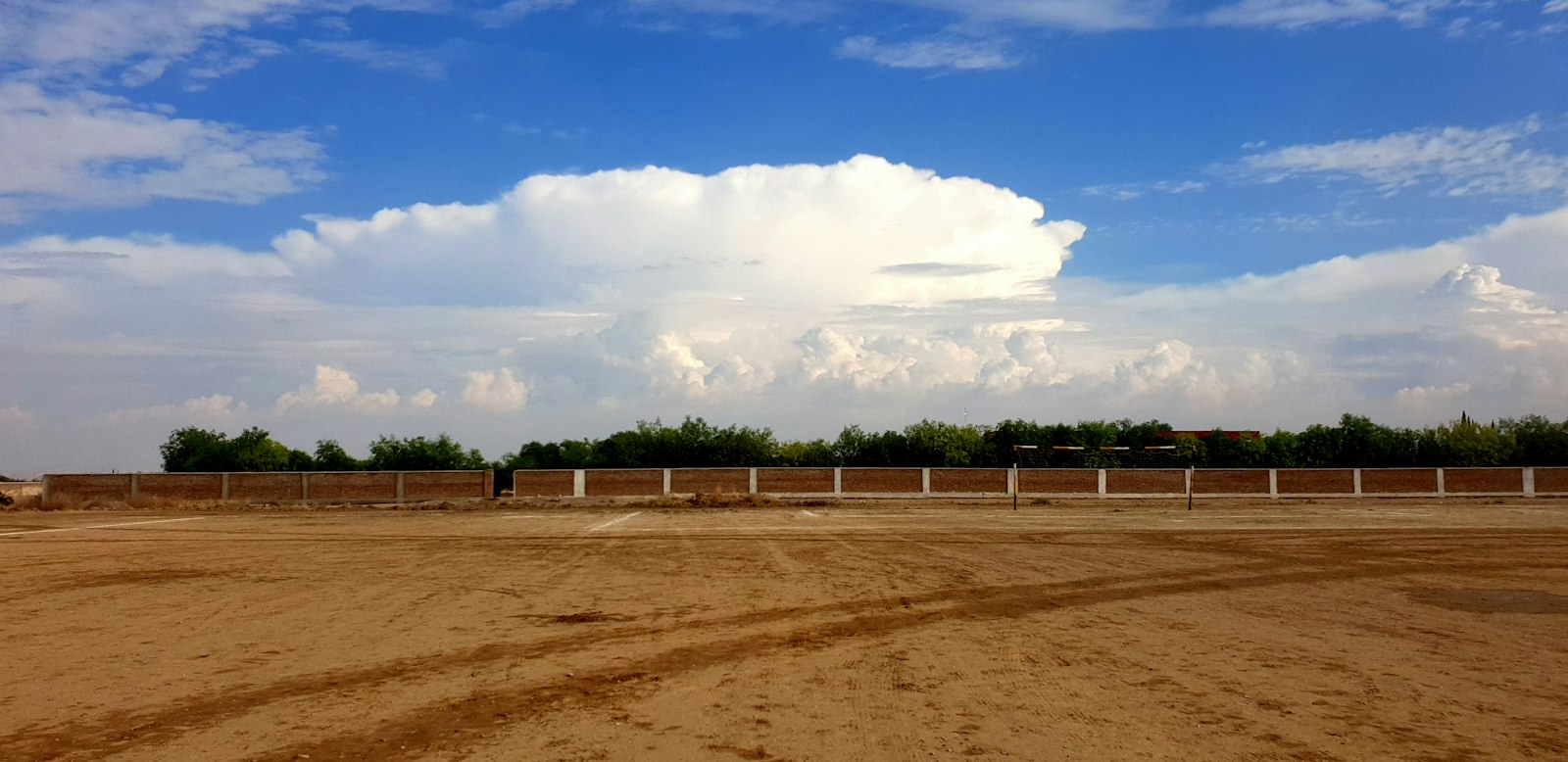
Turnkey Equestrian Center, Central Algarve
A turnkey equestrian center in the Central Algarve, with established stabling and facilities already in operation and quality horses available as part of the opportunity. The site also holds a large private project for a home, allowing a buyer to build a residence alongside a working equestrian business rather than adapting one to the other.
Best for: Buyers who want an operating equestrian business and the ability to build their own home on-site.
Privately Held Equestrian Centre
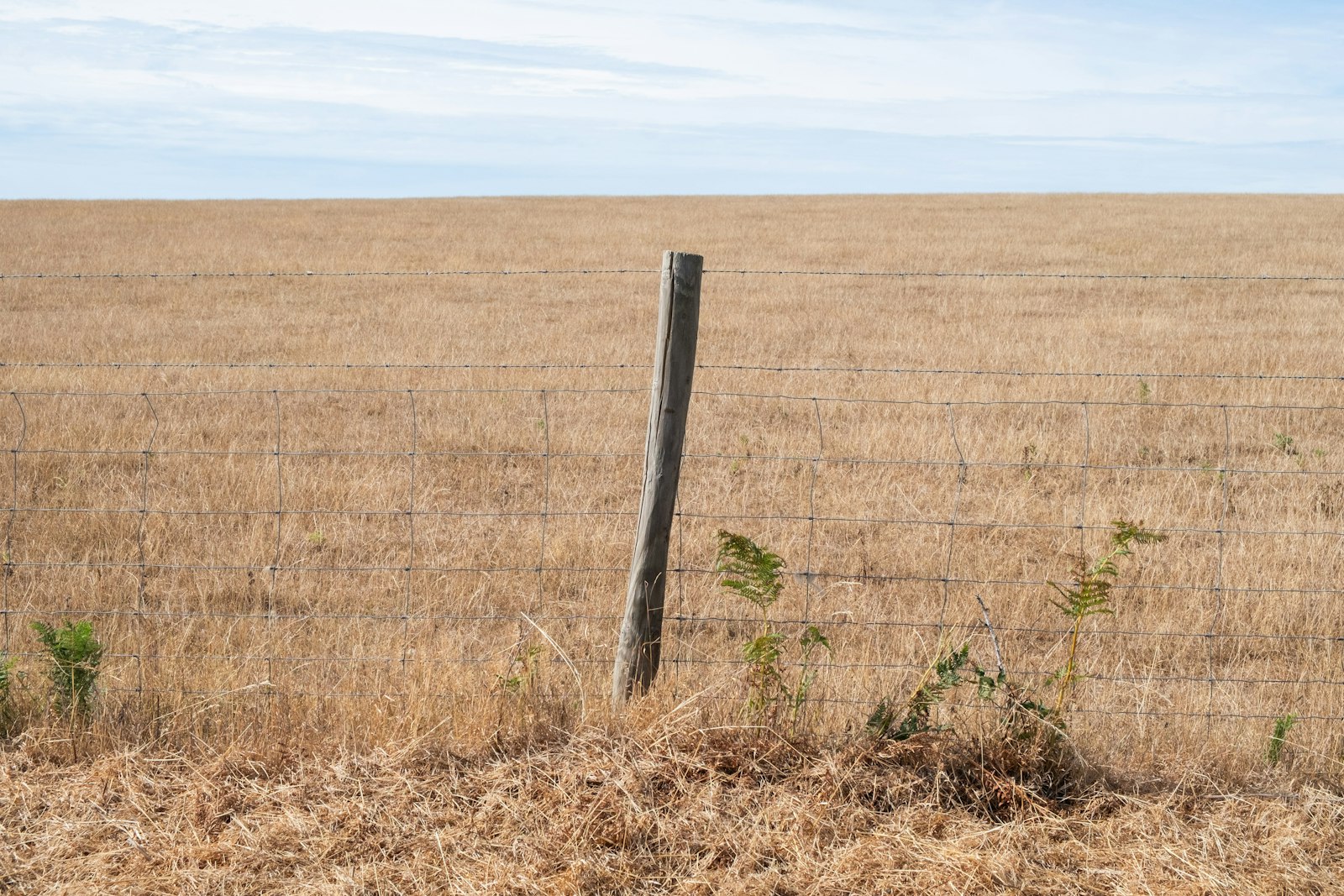
An established, privately held equestrian centre — offered directly by the owner — set across roughly 4.5 hectares in open countryside with far-reaching views over a reservoir and surrounding hills. Run mainly as an equestrian learning and riding school, it is turnkey and fully equipped, ready to continue as a school or convert to a private yard.
On-site: eighteen stables and boxes, two riding arenas, a caretaker’s chalet, and fitted on-site facilities; a covered terrace and entertaining area with views, set within landscaped grounds in an elevated position overlooking a reservoir.
Land: roughly 4.5 hectares, currently operating primarily as an equestrian learning school. It is a direct-owner listing, and full details are available on request.
Best for: Riding-school operators, professional yards or private owners wanting a turnkey, established centre with substantial stabling and two arenas in a scenic setting.
How Atrium Approaches an Equestrian Search
Atrium does not approach equestrian property as a simple category of luxury real estate. The search is more personal and more technical than that. A house with stables is not enough if the land is poorly suited to horses, the water is unreliable, the legal use is unclear, or the care network is too weak to support the animals properly.
We begin by understanding the life the client wants to build and the horses that need to be cared for. How many horses are involved? Are they retired, competing, breeding, training, or used for leisure riding? Do they need daily turnout, covered training space, trail access, nearby veterinary support, or proximity to a specific equestrian center? Will the owners live there full-time, seasonally, or rely on staff?
Those answers shape the search. A sport-focused family may need proximity to Vilamoura, Cascais, Sintra, or the North’s training networks. A buyer seeking privacy and land may be better suited to the Alentejo. Someone with a heritage or hospitality vision may need Central Portugal.
This is why an equestrian search should not be rushed. The right property must support the horses’ health, the owner’s lifestyle, the family’s routines, and the long-term purpose of the estate. When those pieces align, the property becomes more than a beautiful purchase. It becomes a life that can actually function.
More Than Owning a Horse
The true appeal of Portugal’s equestrian lifestyle is not simply that a buyer may find more land, better weather, or a beautiful estate. It is that horses can become part of the life being built here.
That only works when their needs are respected from the beginning. The land has to support them. The water has to be reliable. The shade has to be real. The footing has to be safe. The care network has to exist. The property has to make daily management possible, not just picturesque.
For the right person, Portugal can offer an equestrian life that feels unusually whole. Horses, land, family, food, wine, travel, coastline, agriculture, and community can all belong to the same plan. But the best version of that life starts with responsibility.
The question is not only whether a property is beautiful enough to live in. The question is whether the horses can thrive there too.
Equestrian Life in Portugal, Answered
Is Portugal a good country for equestrian living?
Yes, for the right buyer. Portugal offers strong equestrian heritage, the Lusitano breed, riding traditions, rural estates, year-round outdoor riding in many regions, and a growing international sport infrastructure. It is not as standardized as larger equestrian markets, so local guidance and horse-focused due diligence matter.
What are the best regions in Portugal for horse properties?
The Alentejo is one of the strongest regions for land, privacy, and estate-scale equestrian living. Ribatejo and Golegã are important for Lusitano culture and tradition. The Algarve is becoming more relevant for sport and international lifestyle, especially around Vilamoura. Cascais and Sintra appeal to families who want riding access near Lisbon and international schools. Northern Portugal offers greener terrain and a more local riding environment.
What should buyers check before purchasing an equestrian property in Portugal?
Buyers should look beyond acreage and stables. Important factors include soil, drainage, shade, water access, borehole licensing, fencing, paddock layout, fire planning, legal land use, registered buildings, permissions for arenas or commercial operations, and access to veterinarians, farriers, trainers, feed suppliers, transport, and riding routes.
How do horse needs change by region?
In the Algarve and Alentejo, buyers should pay particular attention to heat, shade, water supply, fire planning, turnout routines, and pasture limitations. In the North, the focus shifts toward drainage, footing, mud control, covered arenas, and barn ventilation. In Cascais, Sintra, and more urbanized areas, the question may be whether professional nearby facilities serve the horse better than keeping animals directly on a private residential property.
Is the Algarve suitable for horse owners?
The Algarve can work well for buyers who value climate, international schools, Faro Airport access, services, sport infrastructure, beaches, golf, and restaurants. It may be especially interesting as Vilamoura’s equestrian infrastructure develops. However, land costs, summer heat, water management, and turnout conditions should be considered carefully.
Is the Alentejo better for large equestrian estates?
For buyers seeking space, privacy, land, agriculture, and a traditional estate lifestyle, the Alentejo is often one of the strongest options. It offers large properties and a natural rural setting, but it requires serious planning around water, heat, shade, staffing, veterinary support, feed supply, and fire management.
Can Atrium help find equestrian properties not publicly listed?
Yes. Atrium can build a bespoke search based on the buyer’s horses, preferred region, lifestyle, travel patterns, and long-term goals. The objective is not to show the greatest number of listings. It is to identify properties where the owner’s vision and the horses’ wellbeing can align responsibly.
Equestrian Life in Portugal
The Lusitano, five equestrian regions, what a horse actually needs from a property, and three real listings evaluated through both lenses.
Start your search
We evaluate land, water, legal use and the surrounding care network before we ever talk about the stable yard.
The question is whether the horses can thrive there too.
Whether you’re searching for a full equestrian estate or a lifestyle property near strong riding facilities, we start with the horses’ needs, not the listing photos.