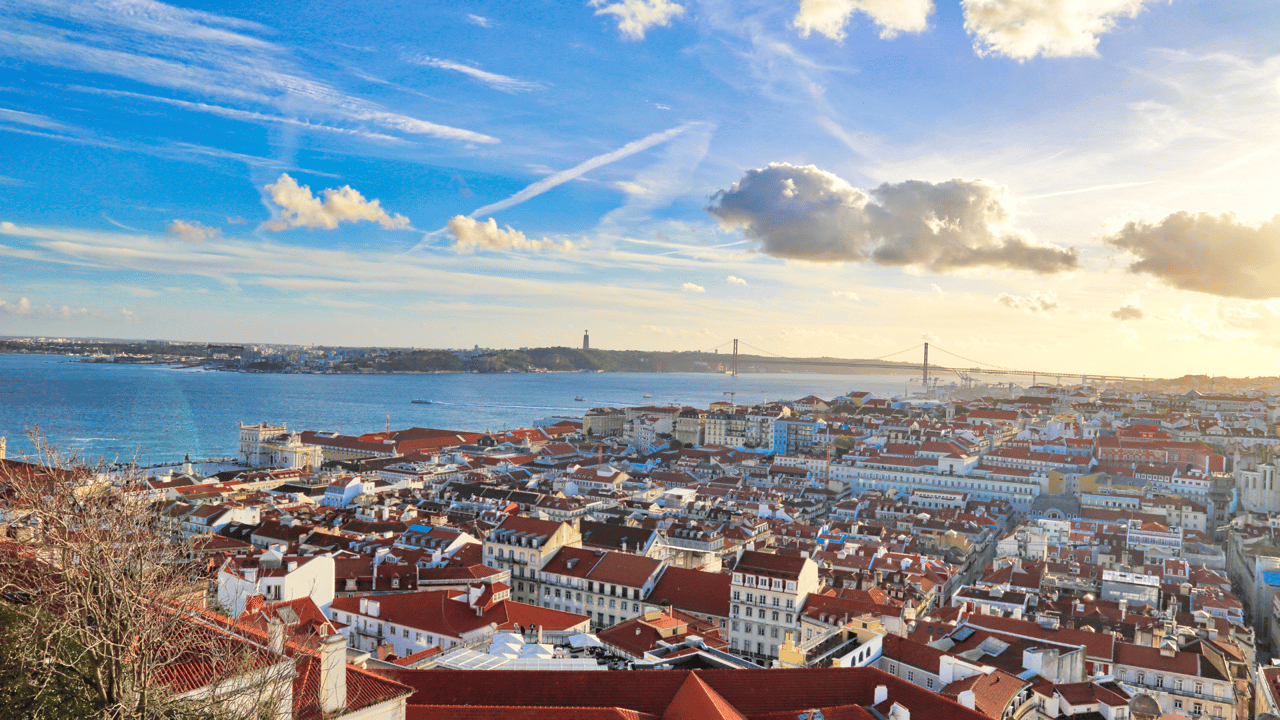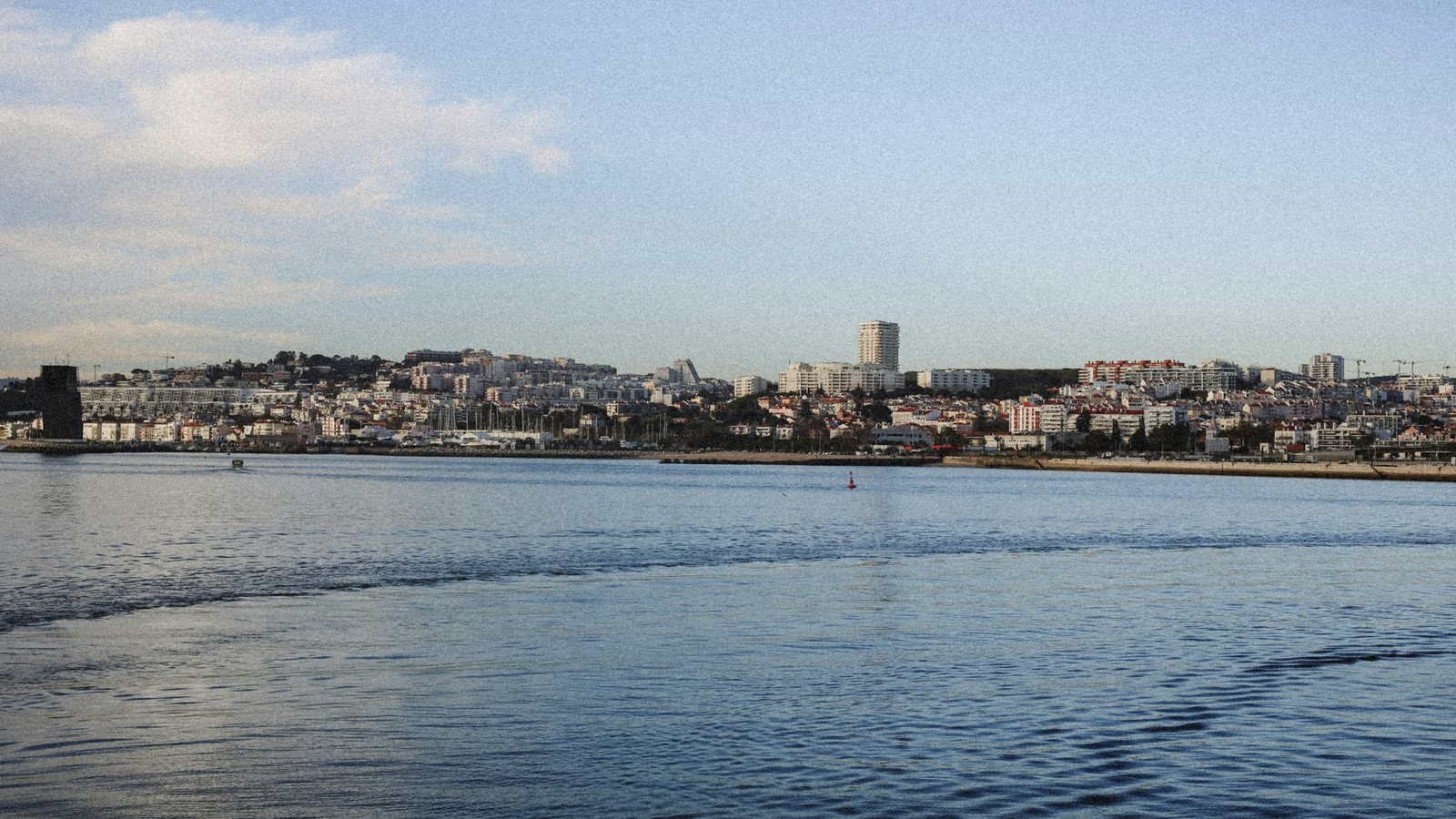

Exploring Cruz Quebrada


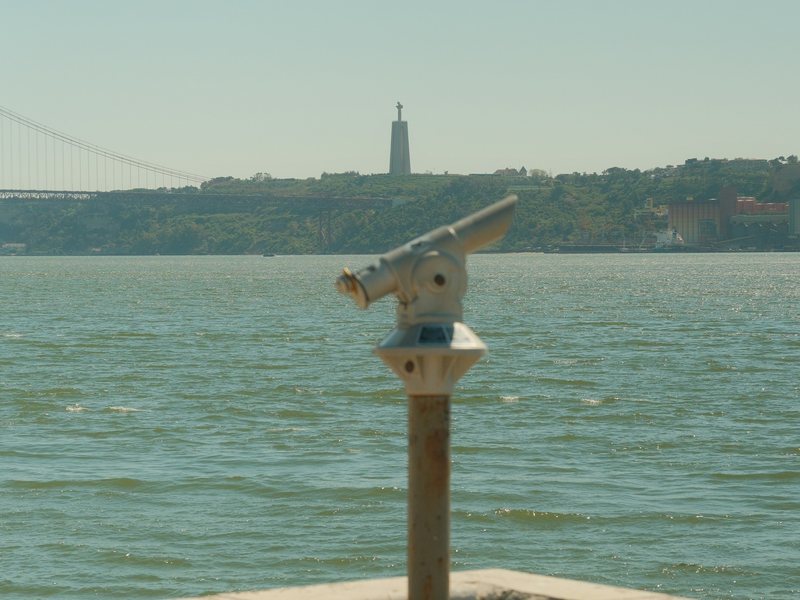

West to east: Cruz Quebrada around the lower Jamor, Dafundo in the middle, then Algés.

The Tagus along the southern edge; the Jamor valley leading inland.

Bridge and green spaces first. Aquarium and bakery later.


Cantinho da Calçada — part café, part mercearia, for coffee and petiscos.
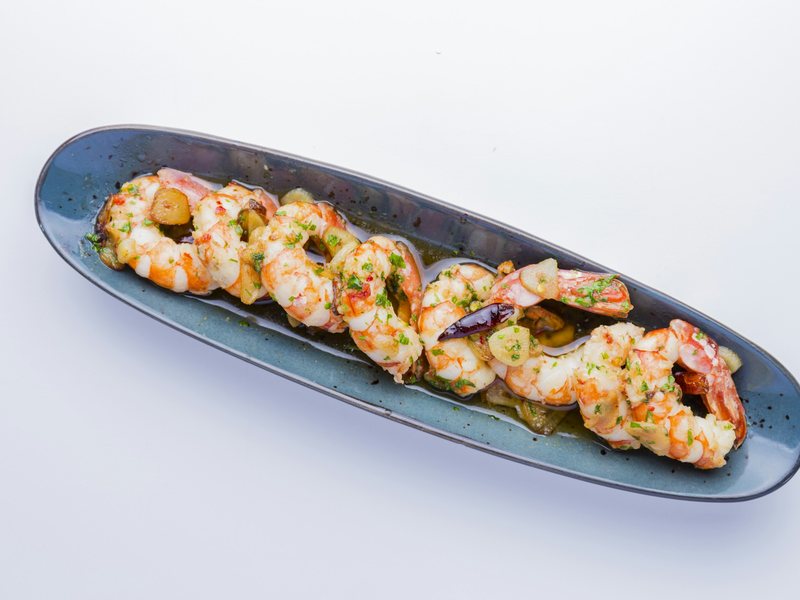
O Caçador for lunch — alheira croquettes, then shrimp with garlic and cilantro.

Padaria APAPOL in Dafundo, for bread to take home on the way out.
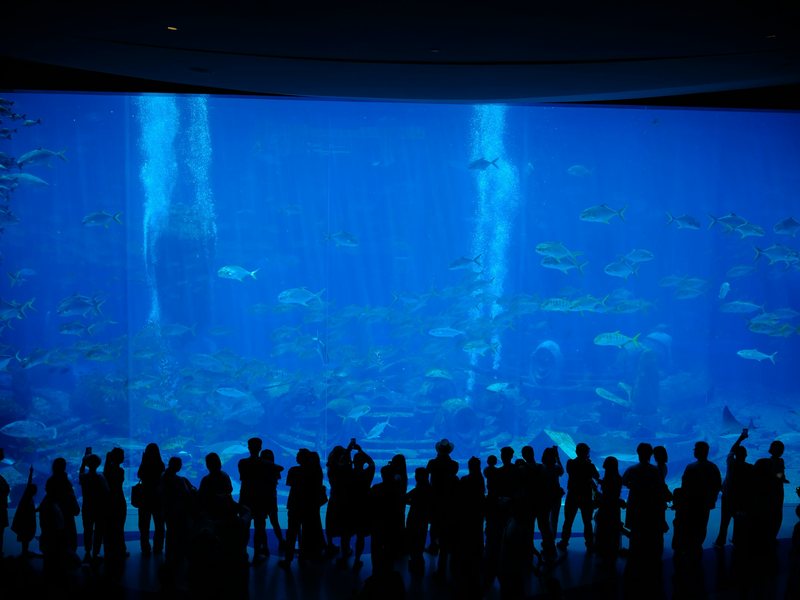
The Chafariz do Dafundo, where Tagus boatmen once came for fresh water, and the Aquário Vasco da Gama, here since 1898 — a museum collection as much as a set of tanks. Keep the afternoon for both, and the waterfront between them.
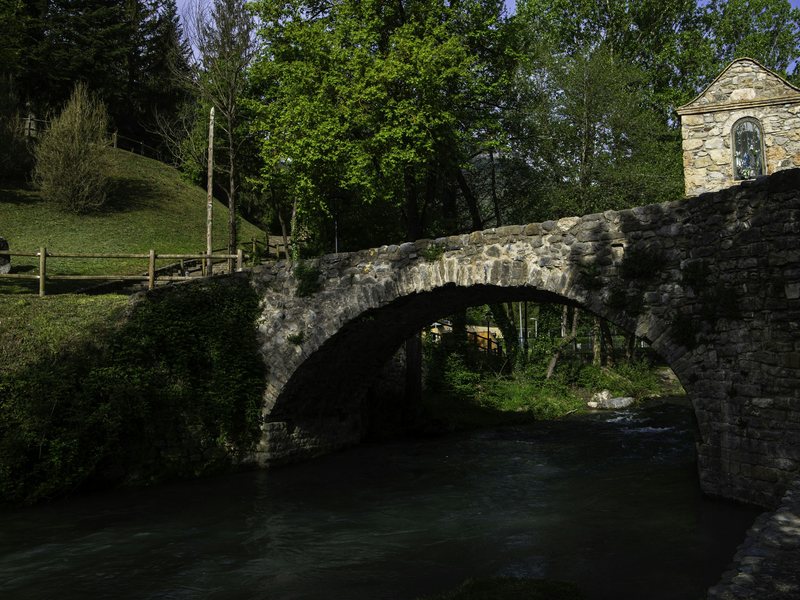
Three rounded arches from the seventeenth century, still linking Avenida Pierre de Coubertin with Rua Sacadura Cabral — and the setting for one local explanation of the name “broken cross.”
Start Here →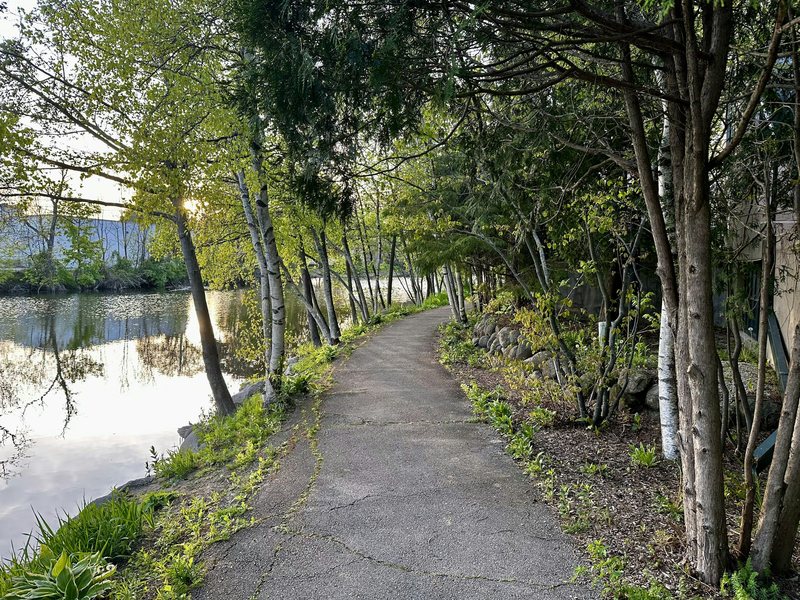
The Eixo Verde e Azul follows the Jamor inland toward Nossa Senhora da Rocha, and the wider Jamor grounds add four marked walks, each graded by terrain and climb.
Take the Route →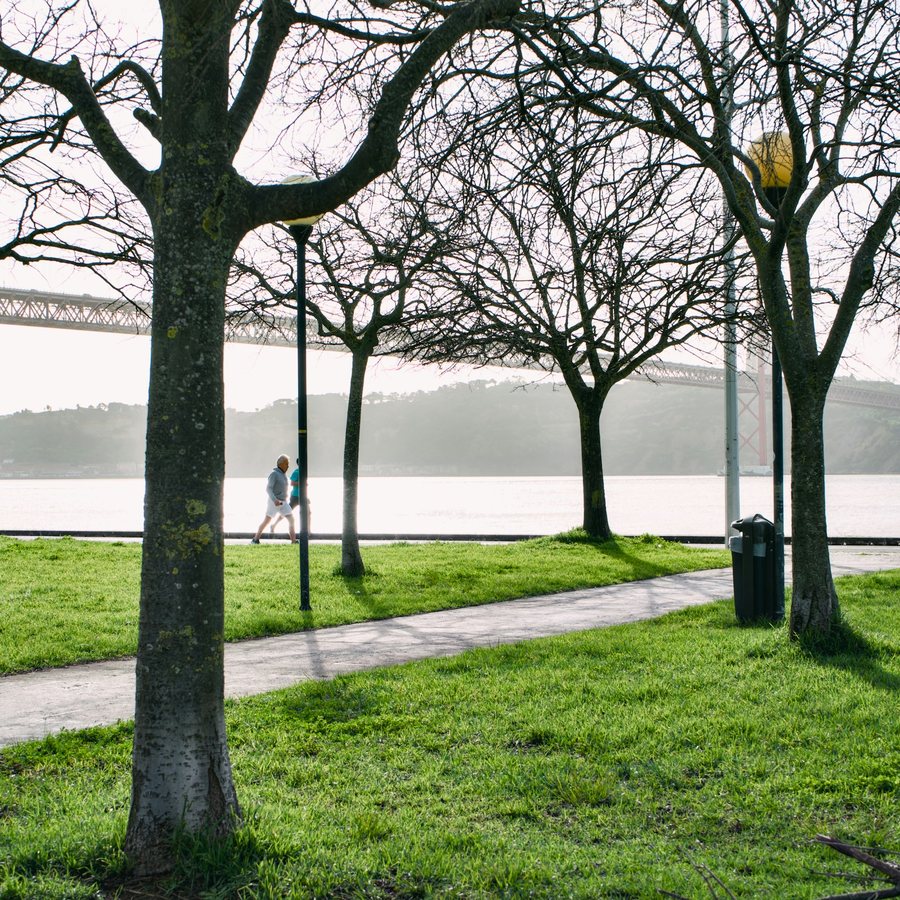
If Algés is already familiar, Cruz Quebrada gives you a reason to go a little farther west. The Tagus is the obvious attraction, but I would begin with the smaller Jamor: an old stone bridge, a walk inland, and coffee before deciding how much of the day to spend outside. Keep the afternoon for Dafundo, with the aquarium and a bakery stop giving the walk somewhere to go.
First, Get Your Bearings
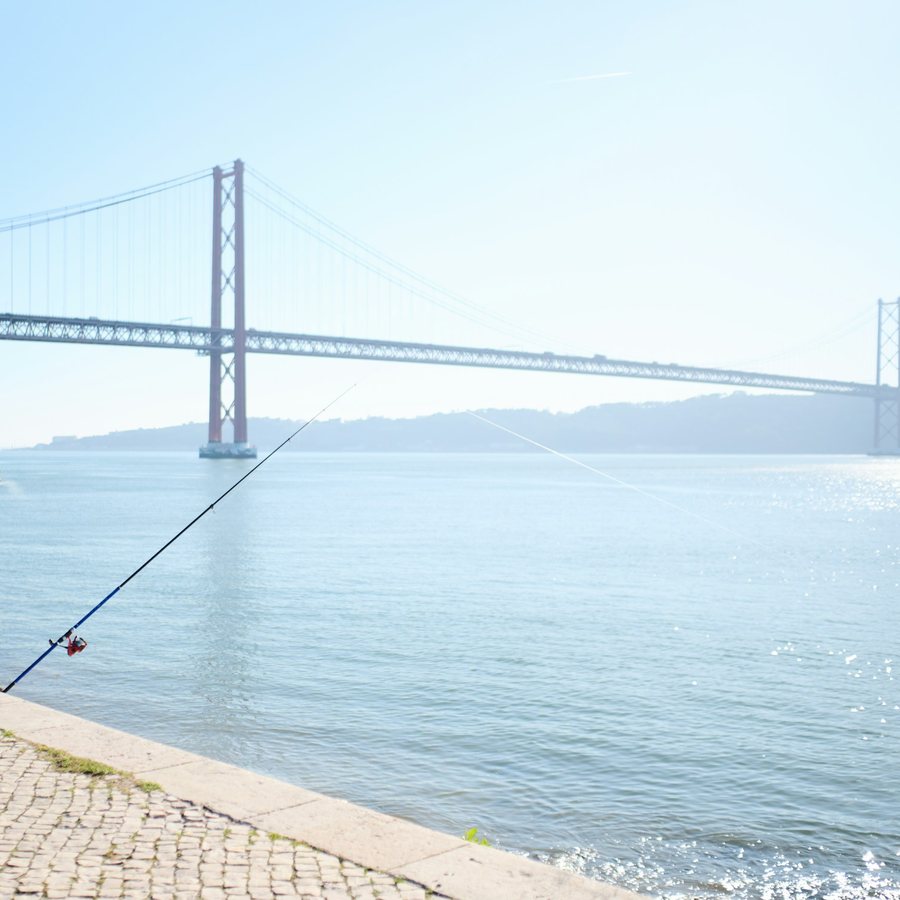
Think of this stretch of Oeiras from west to east: Cruz Quebrada around the lower Jamor, Dafundo in the middle, then Algés. The Tagus lies along the southern edge, while the Jamor valley leads inland. That geography gives the outing its shape — the old bridge and the green spaces first, the aquarium and the bakery later.
Cruz Quebrada’s old settlement lived from agriculture and the river. Dafundo carries a different mix: old villas, former quintas, and the apartment buildings that came later. The Marginal and the railway altered the older connection to the Tagus, so the pedestrian links between the neighborhood streets and the waterfront are genuinely part of planning the day rather than a detail you can leave to chance.
Know that much, and the rest of the day arranges itself.
Start at the Old Bridge
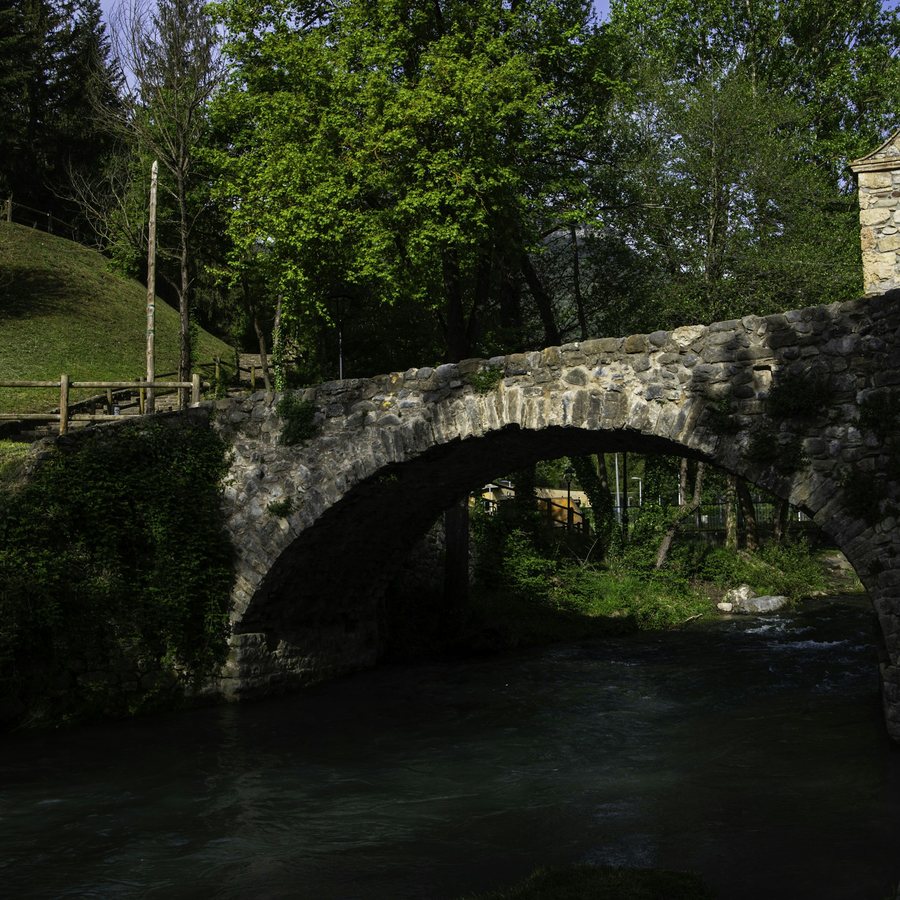
I would start with the bridge, because it explains something the Marginal does not. Before the coastal road opened, this small crossing carried people and goods east and west. Its three rounded arches date from the seventeenth century, and it still links Avenida Pierre de Coubertin with Rua Sacadura Cabral.
The name Cruz Quebrada means “broken cross.” One tradition recorded by the parish describes two crosses on the bridge parapet, one of them damaged. It is one of several local explanations for the name, and I would not pretend otherwise — but it is the one worth knowing while you are standing on the thing itself.
Then there is SIMECQ, the Sociedade de Instrução Musical e Escolar Cruz Quebradense. It began in 1880 with twelve workers from a tannery who wanted to develop cultural activities. A primary school later operated there for decades. Today, music and basketball remain part of its work. That is a substantial piece of neighborhood history to find behind an acronym you might otherwise walk straight past. Its own calendar is the place to look for concerts and community events.
Follow the Jamor Inland
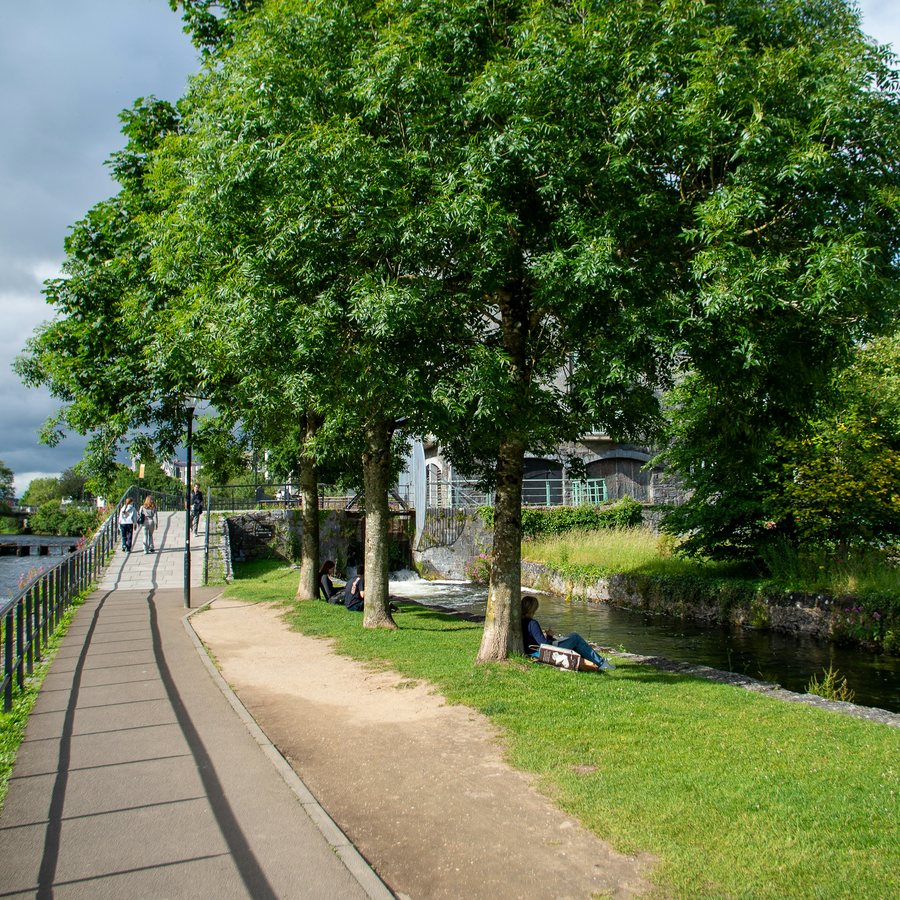
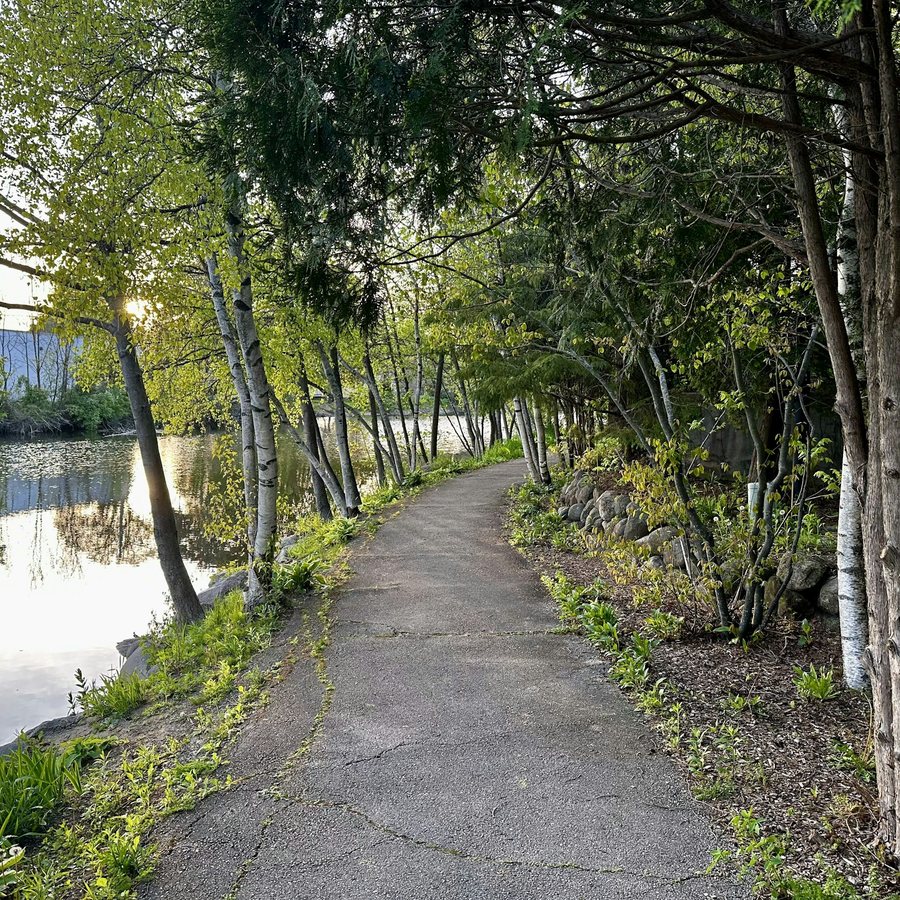
Save part of the morning for the Jamor. The Eixo Verde e Azul follows the river from Cruz Quebrada toward Nossa Senhora da Rocha, which gives you a route inland from the coast rather than along it. The wider Jamor grounds have four marked walks at different levels of difficulty, graded on the terrain and the total climb. Check the route as well as its length when you are deciding how much of the morning to spend here — the Jamor publishes its own official map of the walks, and it is worth a look before you set out rather than once you are already on one.
This is the part I would give the best of the November daylight. Walk a section of the route, then turn back toward Cruz Quebrada for lunch. The stadium may be the name you recognize, but the paths are the reason to come without a match or a sporting event on the calendar.
My Cruz Quebrada Menu
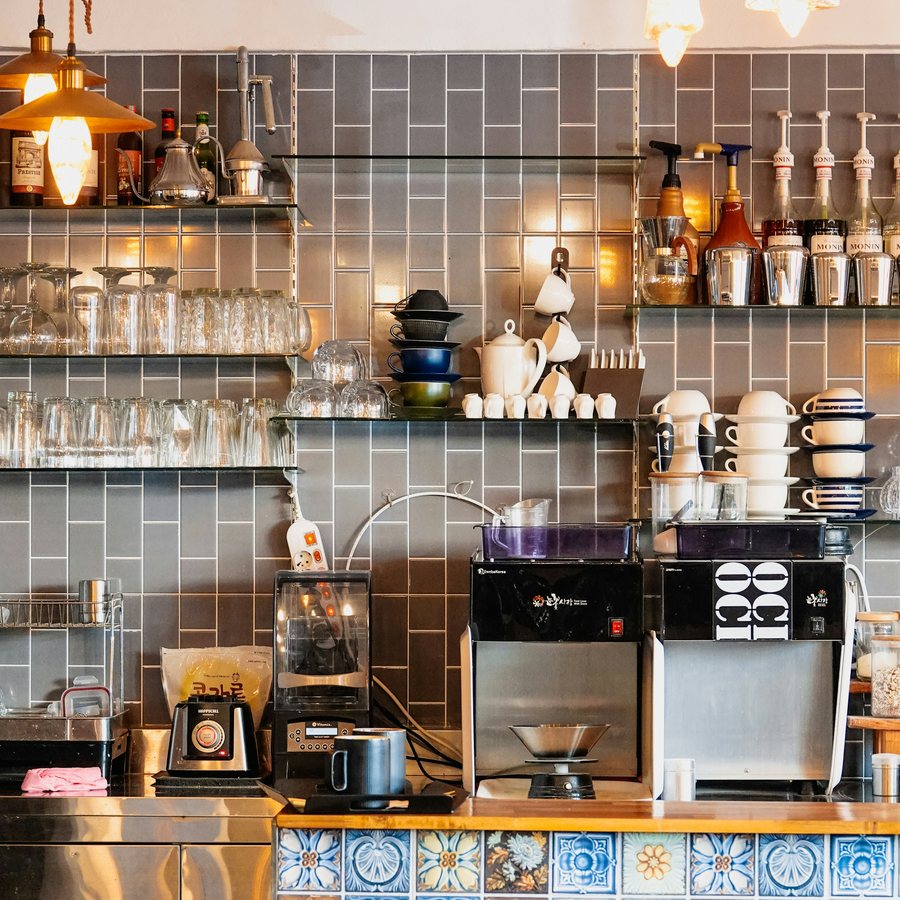
For this outing, I would keep lunch in Cruz Quebrada and save Dafundo for an afternoon coffee and a bakery stop. These four are choices along the route rather than a fixed order to work through.
Choose the café that fits your route. There is no need to have three coffees simply because three places made the list — this is a menu, not a schedule, and it works better if you pick the one that happens to be in front of you when you want to sit down.
Continue into Dafundo
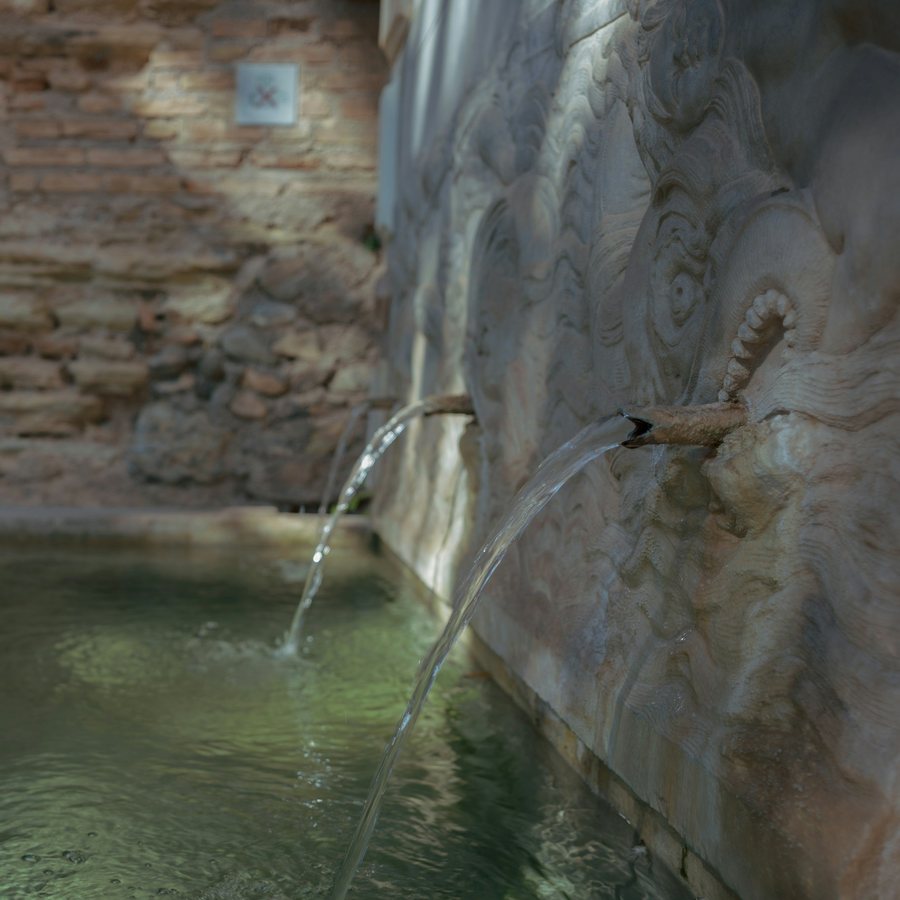
Look for the Chafariz do Dafundo, formerly the Fonte da Maruja. In the eighteenth century, Tagus boatmen came here for fresh water. The fountain sits within a group of steps and a lookout — a reminder of the river’s practical role in local life, back when the river was a workplace rather than a view.
That is the thread running through the whole of this walk. The bridge, the fountain, the pedestrian links that reconnect the streets to the water: none of it was built to be looked at.
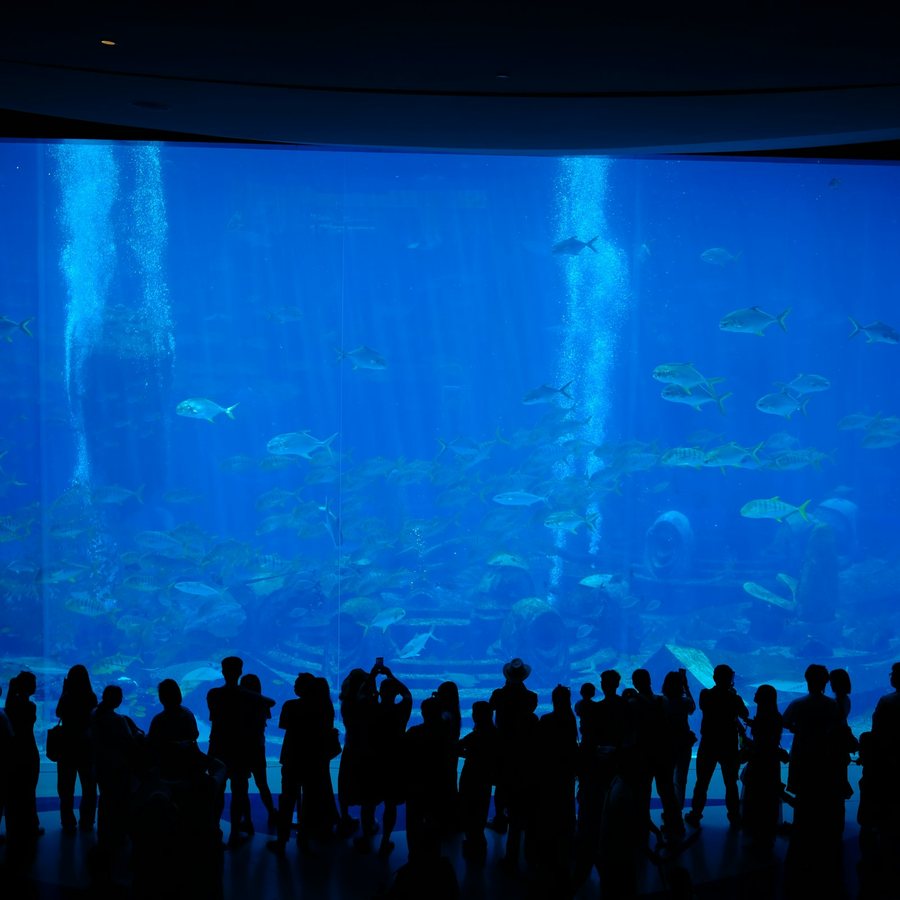
The Aquário Vasco da Gama has been here since 1898. I would give its museum collection as much attention as the living displays. Specimens collected during King Carlos I’s oceanographic expeditions form part of its history, while fishermen also contributed specimens over the years. Alongside the Portuguese aquatic fauna on display, that gives you a story about the people studying and working these waters, not only about the waters themselves.
Farther east, toward Algés, there is a new crossing to look for. The Passagem Aquário Vasco da Gama, designed by Gonçalo Byrne, opened on October 28. It links upper Algés with the Tagus riverfront and incorporates elevators. Give it a look if you continue toward Algés after visiting Dafundo — it is a direct answer to the pedestrian problem the Marginal and the railway created.
A Saturday That Leaves Room to Explore
Start at Cruz Quebrada station
Walk to the old Jamor bridge
Have coffee at Cantinho da Calçada or En’canto
Take a section of the Jamor route while the morning is still yours, then return for lunch
Keep the afternoon for Dafundo.
Choose the aquarium or the waterfront, with the new crossing at the Algés end as an extension if you want to keep walking
Pick up bread at APAPOL before finishing in Algés
For a shorter visit:
Stay with the old bridge, coffee, and a section of the Jamor, saving Dafundo for another day
With children or in wet weather, give the aquarium more of the afternoon and keep the outdoor walk shorter
I would also make time for this walk if I were viewing an apartment here. Knowing where you would go for coffee, or whether you would actually use the Jamor paths, matters when a neighborhood is being considered as home.
Renovated Apartment, Cruz Quebrada-Dafundo
If you are considering a home here, I would leave time around the viewing to explore the neighborhood. Choosing somewhere for coffee and walking a section of the Jamor helps you picture how you might spend an ordinary Saturday. That is the context for this month’s featured apartment in Cruz Quebrada-Dafundo, offered at €784,000, with Tagus views from both the living area and the bedroom.
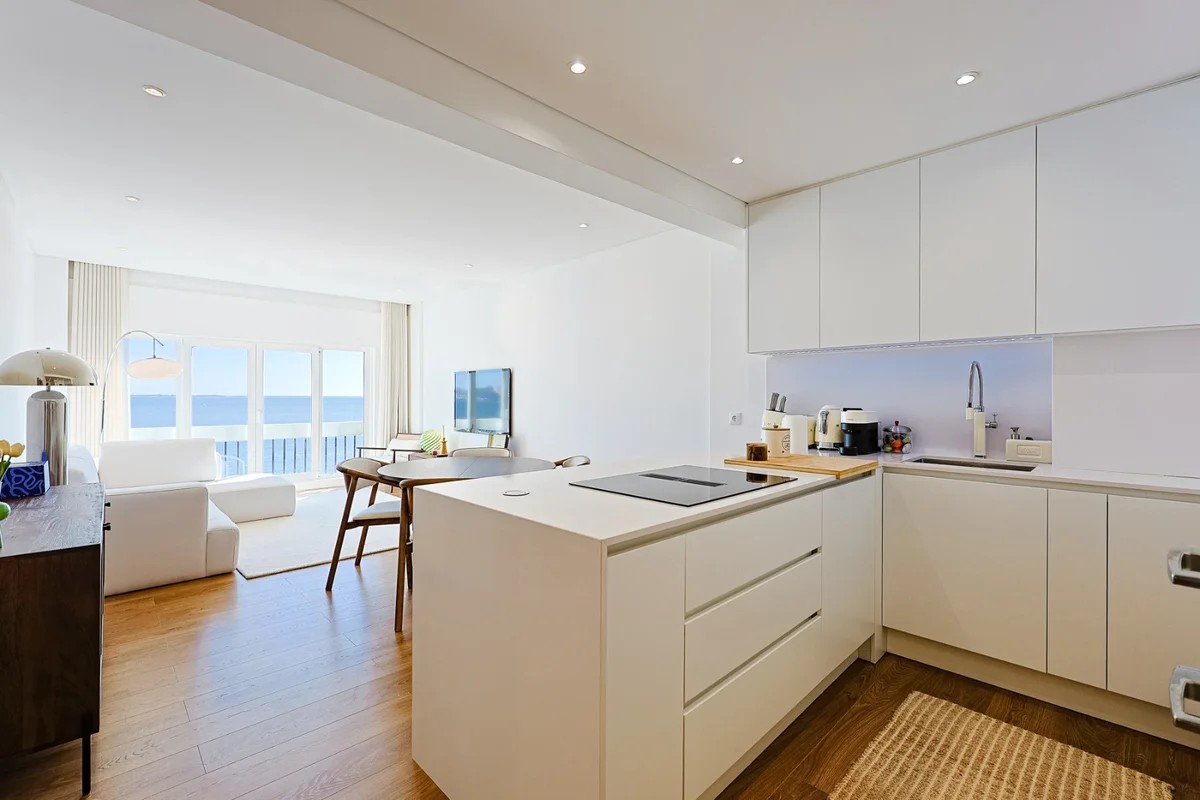
The open living and dining area connects to a fully equipped kitchen with white cabinetry, built-in appliances and a breakfast counter. The kitchen is part of the room, so cooking and conversation can carry on together rather than in separate halves of the apartment.
Beyond the view, the separate room currently used as an office is the detail I would pay attention to. A home in Portugal may need to accommodate the working week as well as the weekend, and a dedicated room keeps work from taking over the dining table.
There are also two renovated bathrooms, built-in wardrobes and storage. The building has an elevator, and garage parking is included — useful things to have when you are coming home with groceries, or arriving with luggage for a longer stay.
Why we like it: it puts the river in the room. The Tagus is visible from the living area and from the bedroom.
Best for: buyers who want a riverside base between Lisbon and Cascais, with a dedicated room to work from, an elevator in the building and garage parking included.
Before You Go
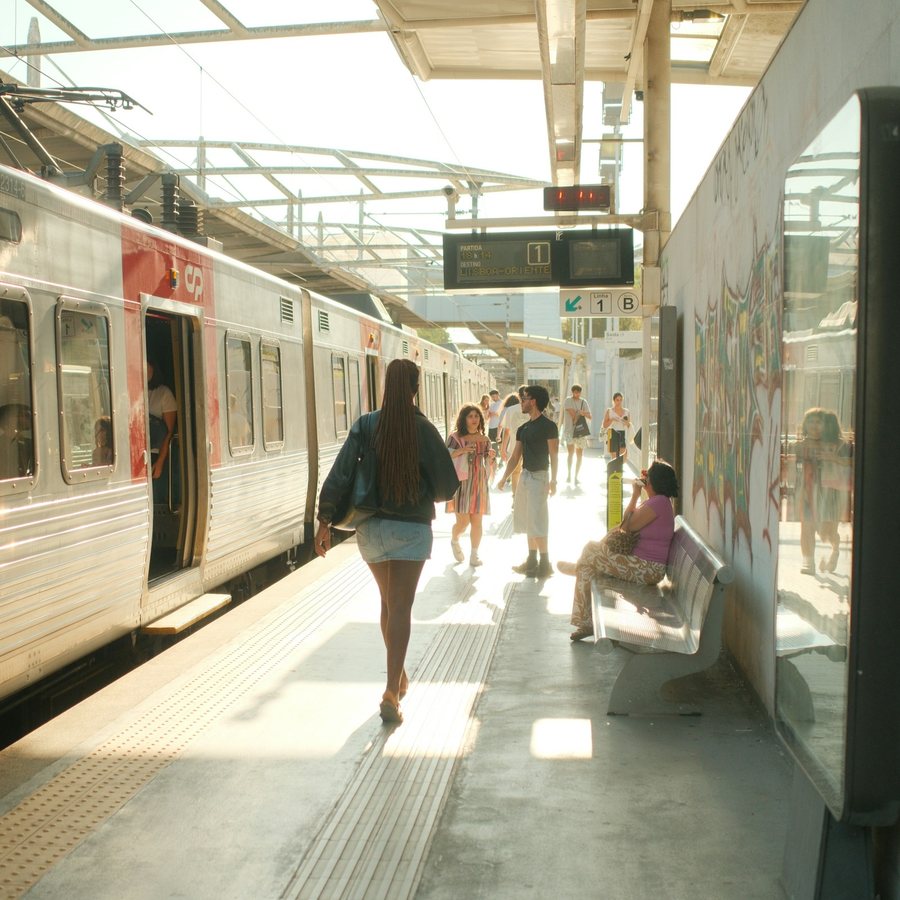
Cruz Quebrada is on the Cascais rail line. CP introduces revised schedules from November 8, so check the timetable for the date you plan to travel. Replacement buses operate between Caxias and Cascais during specified periods of the rail works, which is relevant if you are coming from farther west rather than out of Lisbon.
The Aquário Vasco da Gama opens daily from 10 a.m. to 6 p.m., with last admission at 5:30 p.m. Wear shoes suited to walking, and bring some cash for the smaller cafés.
If Cruz Quebrada is part of your week, which Portuguese café or small shop would you add to this walk? We would love to hear the recommendations you give your own visitors.
Cruz Quebrada, Answered
Where is Cruz Quebrada?
Cruz Quebrada is in the municipality of Oeiras, on the Cascais rail line west of Algés, with Dafundo between the two. The Tagus runs along its southern edge, and the smaller Jamor river comes down the valley to meet it.
What is the old bridge in Cruz Quebrada?
It is a small stone crossing over the Jamor with three rounded arches dating from the seventeenth century, still linking Avenida Pierre de Coubertin with Rua Sacadura Cabral. Before the Marginal coastal road opened, it carried people and goods east and west.
Why is it called Cruz Quebrada?
The name means “broken cross.” One tradition recorded by the parish describes two crosses on the bridge parapet, one of them damaged. It is one of several local explanations for the name.
What walking routes are there at Jamor?
The Eixo Verde e Azul follows the Jamor river from Cruz Quebrada toward Nossa Senhora da Rocha, giving you a route inland from the coast. The wider Jamor grounds have four marked walks at different levels of difficulty, based on the terrain and the total climb, and the Jamor publishes an official map of them.
What are the Aquário Vasco da Gama’s opening hours?
It opens daily from 10 a.m. to 6 p.m., with last admission at 5:30 p.m. The aquarium has been on this site since 1898, and its museum collection is worth as much of your time as the living displays.
Is there a new pedestrian crossing near the aquarium?
Yes. The Passagem Aquário Vasco da Gama, designed by Gonçalo Byrne, opened on October 28. It links upper Algés with the Tagus riverfront and incorporates elevators.
Do I need a car for this walk?
No. Cruz Quebrada is on the Cascais rail line and the whole route is walkable between the station and Algés. CP introduces revised schedules from November 8, so check the timetable for the date you plan to travel, and note that replacement buses operate between Caxias and Cascais during specified periods of the rail works.
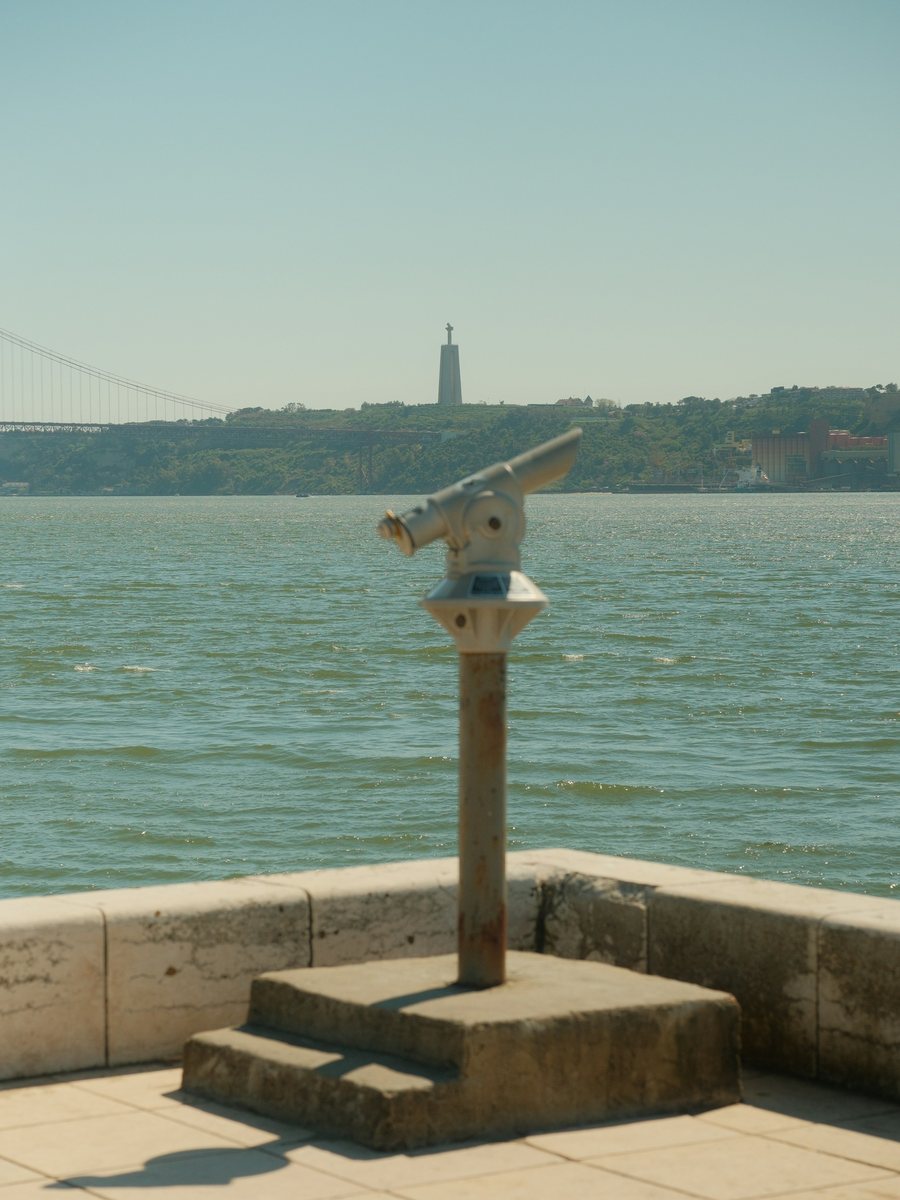
A bridge, a river path, a counter you can lean on, and the Tagus along the whole southern edge of it.