Cascais: A Place to Call Home
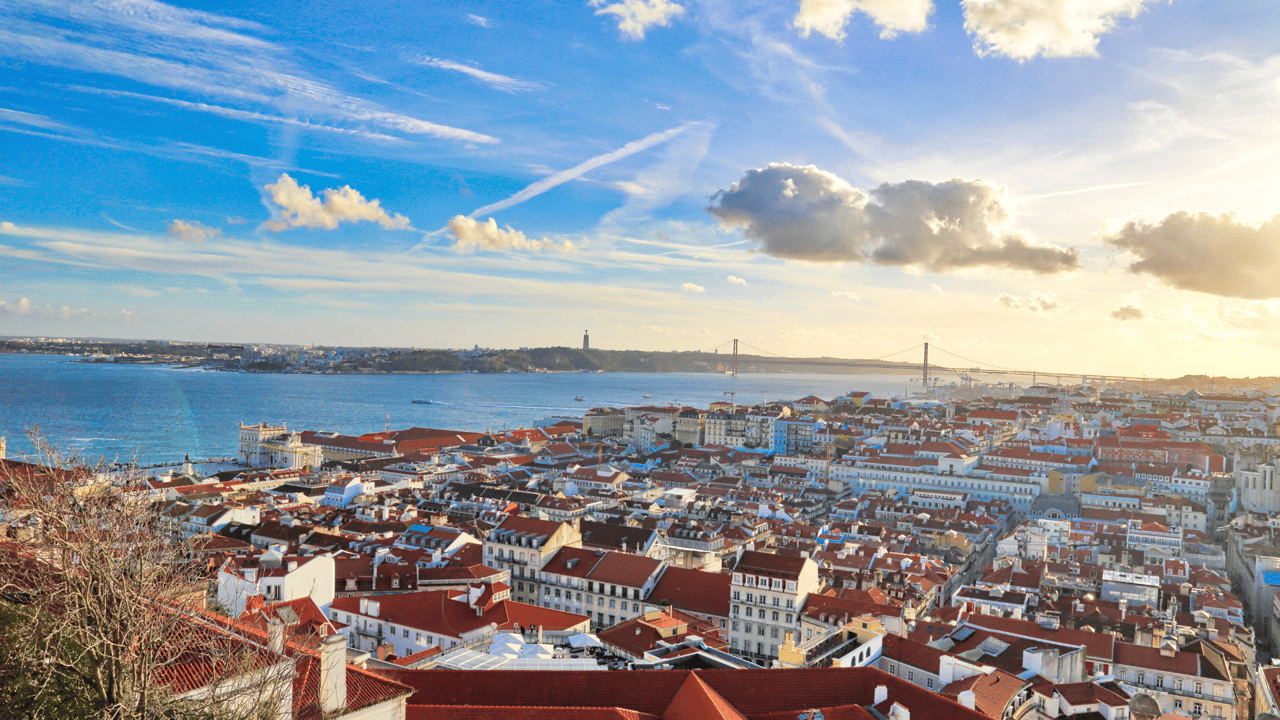
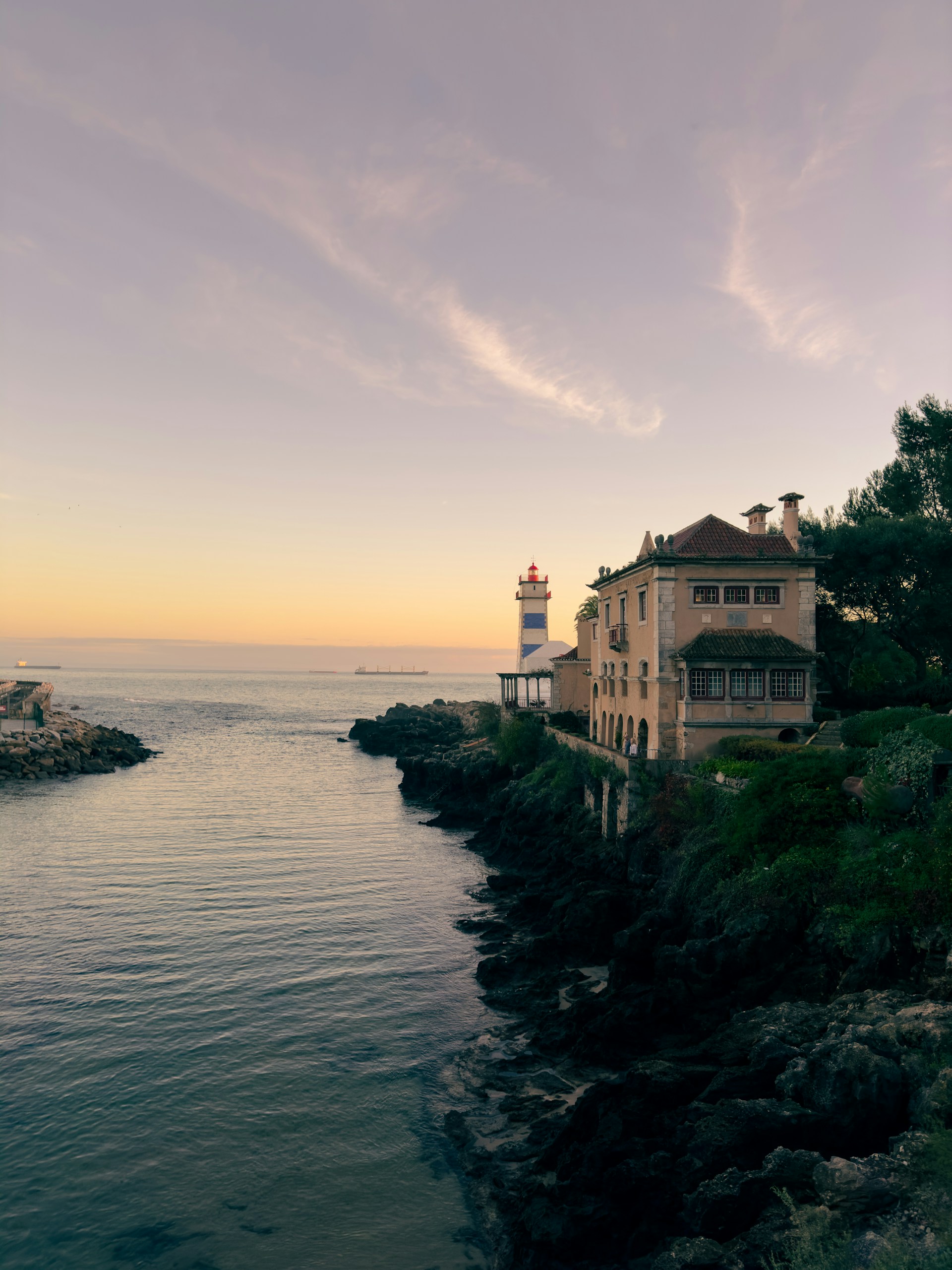
There is a small coastal town just outside Lisbon that I have the privilege of calling home. A former fishing village, shaped by the Atlantic, surrounded by the Sintra hills and woven together by a sense of community that is difficult to describe until you have experienced it yourself.
Its name is Cascais.
This is my first article for the Atrium Group, and I wanted to begin somewhere personal. Before introducing you to the places, properties and opportunities that make Portugal so special, I wanted to introduce you to a place that has shaped who I am.
I am deeply grateful to have been raised in Cascais. It is a place that has given me a sense of belonging, freedom and safety, and where some of my most meaningful memories continue to unfold.
A Town Between the Ocean and the Hills
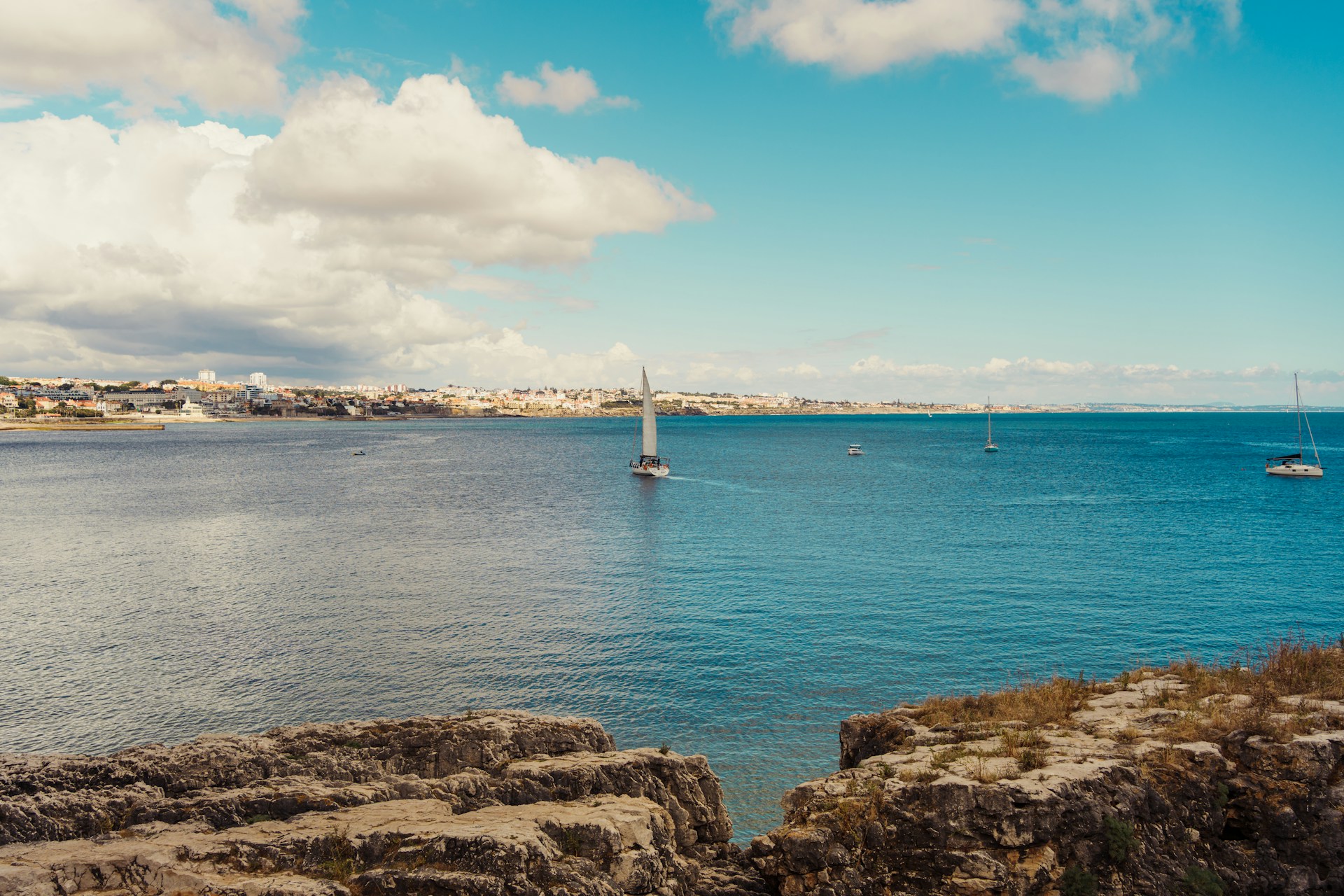
Cascais has a particular charm. It is intimate, welcoming and, in a way, quietly generous. It offers a little of everything: the Atlantic Ocean, beautiful beaches, mountains, local cafés, restaurants, nature and a lifestyle that encourages you to slow down and appreciate what surrounds you.
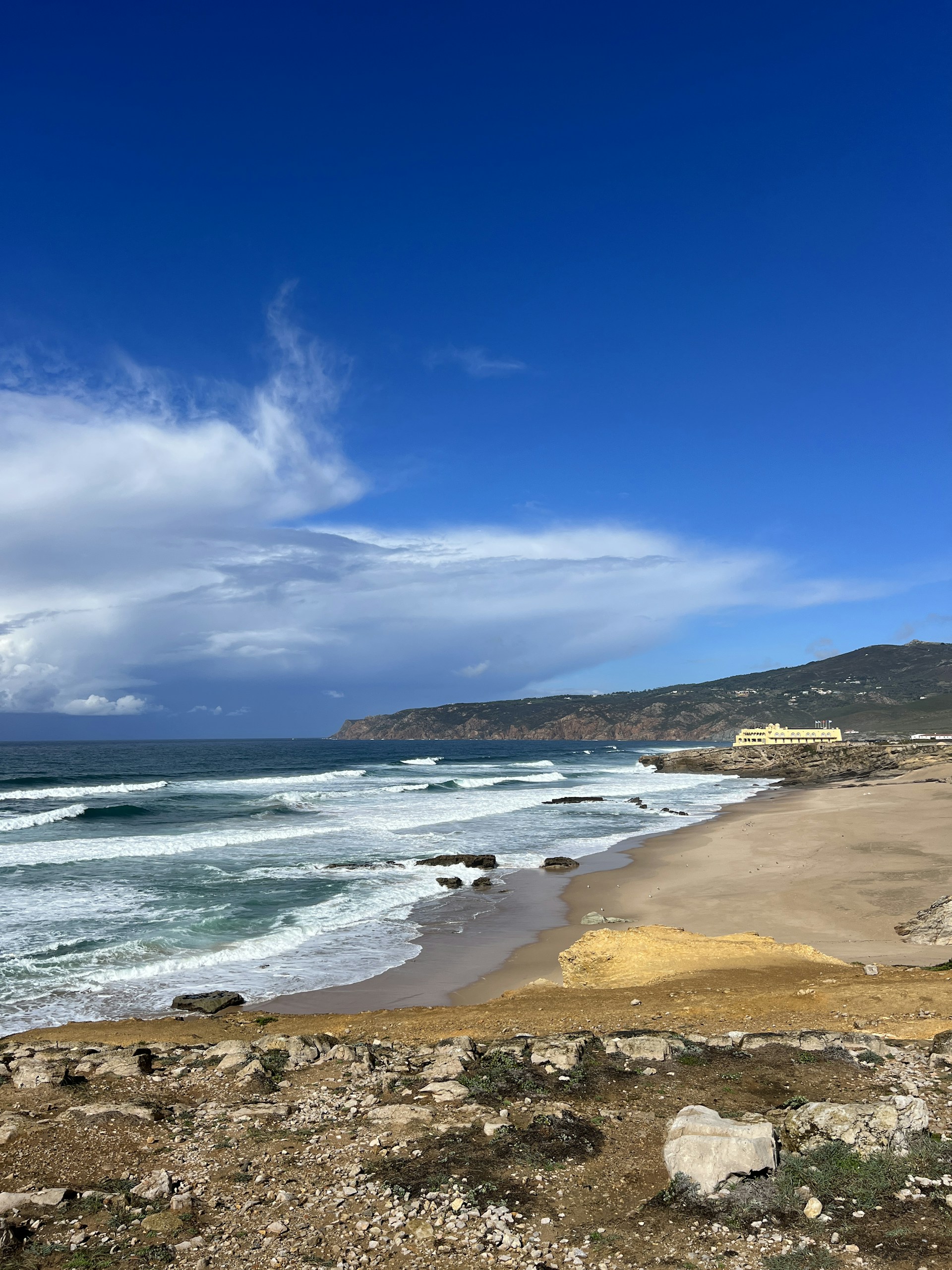
You can spend a warm summer day at Guincho Beach, with the wind coming off the Atlantic and the mountains stretching behind you. You can go for a long hike through the Sintra hills, around Malveira da Serra, surrounded by the scent of the forest (eucalyptus) and the changing light between the trees. You can walk along the coast, meet a friend for coffee or sit down for a meal that turns into an entire afternoon.
Growing up, I sometimes wondered why such a beautiful place could feel so quiet. There were periods when the town seemed almost deserted, and I could not understand why there was not more movement, more life, more people discovering what I had always known.
Looking back, I have come to appreciate that quietness differently. It was part of what made Cascais feel like home. It gave you space. Space to explore, to grow up, to build relationships and to enjoy life without feeling that you had to rush.
And yet, I have always felt that this place had so much more to share with the world.
The Freedom to Grow Up
Some of my earliest memories of Cascais are connected to the ocean.
My father taught me how to surf at Guincho Beach. I remember the feeling of being in the water, learning to understand the waves, and experiencing that particular freedom that comes from spending time in the ocean. Those moments were not simply about learning a sport. They became part of the relationship I developed with the place itself.
Rugby was another important part of my childhood. I played at Dramático de Cascais, where the sport became much more than a game. It was a community, a tradition and a source of immense pride.
When I was younger, I would ride my bicycle through Quinta da Marinha, make my way to rugby practice, head to the beach or simply explore the surrounding nature with friends. We would discover places, wander around and occasionally find abandoned houses that became part of our adventures.
There was a sense of freedom in growing up that way.
What I remember most, however, was the sense of safety. Wherever I went, I seemed to know someone. It might have been the surf instructor, a restaurant owner or somebody I had met through my parents. There was always a familiar face, a sense that someone was looking out for you.
That gave me the freedom to be a child. To explore, to make memories and enjoy the world around me.
It also gave me something else: a sense of responsibility towards the place I called home. When you grow up feeling connected to a community, you naturally begin to feel that you have a role in caring for it and respecting what has been built before you.
The Caldeirão da Guia
Some of my strongest memories of community were formed on the rugby field.
We used to call our home ground the Caldeirão da Guia. On match days, the atmosphere could become intense. The support from the stands, the noise of the fans and the pride of representing our club created a feeling that was difficult to replicate anywhere else.
There were generations of players and supporters who stood behind us. We knew that we were part of a club with a history, including the generations that had won the national championship five consecutive times. We carried that history with us every time we stepped onto the field.
We wanted to make the club proud.
I still remember one particular moment. We were around fourteen years old, and our captain was giving us a motivational speech before a game. As he spoke, he began to cry.
We were young, but we understood what was happening. We were not simply a group of boys preparing to play rugby. We were part of something bigger than ourselves.
We were representing our teammates, our coaches, our families and the generations that had come before us.
That is what sport can offer at its best. It teaches you discipline and resilience, but it also gives you a sense of belonging. It shows you that your contribution matters, and that the things you build together can outlast any individual moment.
For me, that feeling will always be connected to Cascais.
The Relationships That Remain
One of the most beautiful things about growing up in a place like Cascais is that, as you get older, you begin to understand the depth of the relationships that have been forming around you.
Today, I still visit some of the restaurants I first went to with my parents as a child. I speak to the owners, we remember old times, and they ask me how my parents are doing.
But now, the conversations have changed.
I find myself asking about their lives, their businesses, their families and how things have evolved over the years. What was once a familiar interaction from childhood becomes a deeper relationship in adulthood.
And sometimes, I imagine bringing my own children to those same restaurants one day.
That is when you begin to understand something about life: how experiences and relationships are passed on, and how a genuine sense of belonging can extend across generations.
It is not simply about returning to the same places. It is about carrying forward the meaning attached to them.
I remember going to Santini with my parents after dinner in Cascais. I remember the simple pleasure of finishing a starlight evening with ice cream, a tradition that felt ordinary at the time but now holds a particular warmth.
I think about Casa da Guia, one of the places I loved growing up. I would go there for hot dogs with melted cheese, and I remember its charming outdoor setting, its independent shops, local craftsmanship and the greenhouse that formed part of its character.
These places are more than points on a map. They are part of a personal history, and their value often becomes clearer as you grow older.
Returning With a Different Perspective
I have had the opportunity to live abroad, experience different cultures and build relationships with people from different parts of the world. Those experiences have changed me, and they have also changed the way I see Cascais.
When I was younger, I sometimes took the place for granted. It was simply where I lived.
But after spending time abroad, I began to appreciate how much of what I had grown up with was special. I wanted my friends from other countries to experience it for themselves. I wanted to share the beaches, the food, the landscape and the way of life that had always felt so natural to me.
I wanted them to experience Cascais not simply as a destination, but as a place where you could feel at home.
That might mean spending an entire day covered in sand after being at the beach, sitting down for a seafood meal and enjoying clams or prawns prepared with olive oil, garlic, butter and coriander. Then, as is so often the Portuguese way, passing the bread around the table to soak up every last bit of the sauce.
It might mean heading into Lisbon at night, enjoying music, dancing and discovering the different neighbourhoods, before returning home.
It is the combination of experiences that makes the place meaningful. The ocean and the city. The quiet mornings and the lively evenings. The simplicity of a local meal and the richness of the relationships built around it.
Portugal has always given me a feeling that, wherever you go, you can find a sense of home.
The Landscape That Keeps Giving
Some things change with time. Others become more meaningful.
I used to ride mountain bikes through the Sintra hills. Today, I find myself walking my dog through those same landscapes.
The views have not lost their beauty. If anything, my connection to them has grown deeper.
There is something special about returning to the same places at different stages of life. The landscape remains familiar, but you are no longer the same person experiencing it.
As a child, I was exploring. As an adult, I find myself reflecting. I notice different details, appreciate the quietness in a different way and understand more clearly how fortunate I am to have grown up surrounded by nature.
The hills, the ocean and the coastline are not simply scenery. They have become part of my understanding of wellbeing.
They remind me that a good life is not only about what we achieve, but also about the places we inhabit, the people we share our time with and the experiences that allow us to feel connected.
Why Cascais Matters to Me
When I think about Cascais, I do not think only about property, beautiful beaches or its proximity to Lisbon.
I think about the feeling of belonging.
I think about the freedom I had as a child, the relationships I formed, the lessons I learned through sport and the experiences that shaped my understanding of community.
I think about the possibility of raising a family in a place where children can enjoy nature, where familiar faces remain part of everyday life and where the pace of living allows space for genuine connection.
Of course, every place changes. Cascais is no exception. It is growing, attracting new residents, visitors and opportunities. That evolution brings both possibilities and responsibilities: how to welcome people while preserving the character, relationships and sense of identity that make the town special.
For me, the value of Cascais lies precisely in this balance. It is a place with an international outlook, but with a local soul. It offers access to Lisbon and the wider world while retaining a sense of intimacy that many people spend years searching for.
A Place to Come Home To
My connection to Cascais is deeply personal, but it is also the reason I feel so strongly about sharing Portugal with others.
At Atrium, we work with people who are looking for more than a property. They may be seeking a new home, a different pace of life, a place to raise their family or an opportunity to build something meaningful in a new country.
I understand that search because I know what it means to feel connected to a place.
A home is not defined only by its architecture, its location or its market value. It is also defined by the life that takes place around it: the people you meet, the routines you create, the memories you build and the sense of belonging you develop over time.
Cascais has given me all of that.
It has given me the ocean, the mountains, the friendships, the community and the freedom to grow. It has given me a place to return to, even after spending time away.
And perhaps that is what I most want to share with you through this first article: the idea that a place can become part of who you are.
That home is not simply somewhere you live.
Sometimes, it is somewhere that raises you, shapes you and continues to welcome you back.
For me, that place will always be Cascais.
Cascais, Answered
What is Cascais like to live in?
Cascais is an intimate, former fishing village just outside Lisbon, shaped by the Atlantic and surrounded by the Sintra hills. It offers beaches, mountains, local cafés and restaurants, and a slower pace that still keeps Lisbon close for work, flights and city life.
What is there to do in Cascais?
Surfing and beach days at Guincho Beach, hiking through the Sintra hills around Malveira da Serra, rugby at Dramático de Cascais, coastal walks, and long meals at local restaurants and spots like Santini and Casa da Guia.
Is Cascais a good place to relocate to?
Yes, for buyers who want coastal living without losing access to Lisbon. Cascais combines an international, growing community with a strong local character — making it one of the most practical landing points for families and international buyers moving to Portugal.
Rua do Almada 577, Cedofeita, Porto
Talk to Vince about Cascais
He grew up here and can walk you through what daily life actually feels like, beyond the listings.
Thinking about a home in Cascais?
Vince grew up here and can walk you through what daily life actually feels like, beyond the listings. Consultations are always free.